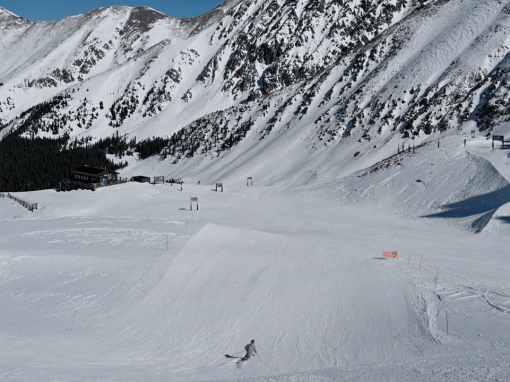
These Colorado Ski Resort Upgrades are already taking shape as autumn air in the high country signals an annual shift, not just in foliage, but in the hum of anticipation that permeates mountain towns. While the calendar might still point to warmer days, the gears are already in motion at ski resorts across the state, preparing for another bustling winter season. This preparation isn’t merely about grooming slopes or tuning snowmaking equipment; it’s often a year-round commitment to enhancing the very arteries of these winter playgrounds: their lift systems.
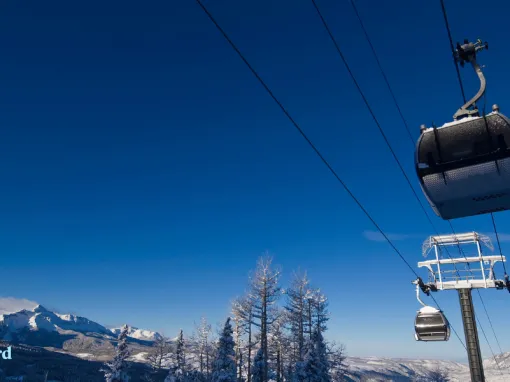
Colorado stands as an undeniable titan in the global ski industry, drawing millions of visitors each year with its legendary powder and majestic peaks. Maintaining this prestigious status requires constant evolution, and the modernization of chairlifts is frequently at the core of these efforts. From high-speed six-packs to state-of-the-art gondolas, these mechanical marvels are more than just transportation; they are key determinants of skier satisfaction, resort capacity, and overall operational efficiency.
What These Colorado Ski Resort Upgrades Include
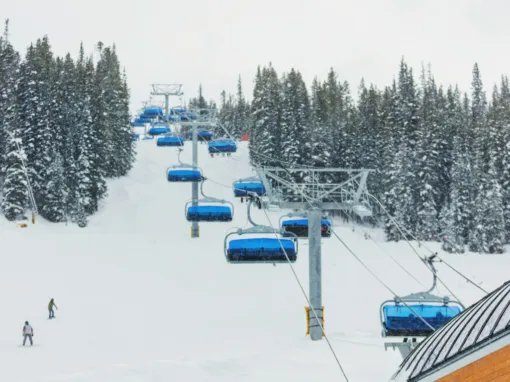
The continuous investment in new and upgraded lift infrastructure by Colorado’s prominent resorts reflects a strategic understanding of the modern skier’s demands. Long wait times are increasingly intolerable for guests paying premium prices for a day on the slopes. Modern detachable chairlifts, which slow down for easy loading and unloading but zip up the mountain at exhilarating speeds, drastically reduce congestion and allow skiers to maximize their time on the snow. This commitment to efficiency is paramount in an era where guest experience directly translates to loyalty and positive word-of-mouth.
Beyond speed, new lifts often unlock previously underutilized terrain, expand access to advanced runs, or provide more direct routes to popular areas, distributing skiers more evenly across the mountain. This careful planning helps to alleviate crowding in high-traffic zones and offers a more diverse experience for skiers of all abilities. The vision extends beyond a single season, with resorts planning multi-year capital improvement projects that consistently aim to elevate the standard of mountain recreation.
The economic ripple effect of these investments is substantial. Building a new chairlift is a monumental undertaking, involving extensive engineering, construction, and specialized labor. This creates jobs, stimulates local economies through procurement of materials and services, and ultimately enhances the appeal of mountain communities as year-round destinations. From the initial groundbreaking to the final safety checks, these projects inject significant capital into Colorado’s vibrant outdoor recreation sector. The state’s ski industry, supported by such infrastructure, is a major economic driver, contributing billions annually and supporting tens of thousands of jobs, from ski instructors to hospitality workers. For a deeper dive into the industry’s impact, visit Colorado Ski Country USA.
However, modernizing mountain infrastructure is not without its complexities. Environmental considerations play a crucial role in every phase of planning and construction. Resorts often work closely with environmental agencies, local communities, and conservation groups to minimize ecological footprints. This includes careful route planning to avoid sensitive habitats, implementing erosion control measures, and restoring disturbed areas with native vegetation. The balance between progress and preservation is a constant, delicate act in Colorado’s pristine natural landscapes.
Colorado Ski Resort Upgrades at Winter Park and Beyond
For instance, resorts like Winter Park, nestled in the Fraser Valley, have consistently invested in their lift fleet, understanding that a superior uphill experience is foundational to their guest offering. While no specific new lift is being launched statewide this very moment with the fanfare of a new facility in Australia, the ongoing cycle of upgrades is a constant. Resorts evaluate their existing infrastructure, identify bottlenecks, and plan strategically for replacements or additions. This might involve replacing an older fixed-grip double with a faster quad or even a high-capacity gondola, a decision driven by data on skier flow, terrain usage, and future growth projections.
The impact on local towns is also significant. Improved access and visitor experience at resorts often translate to increased tourism spending in nearby towns, boosting local businesses from restaurants and retail shops to lodging providers. This symbiotic relationship between resort and community is a hallmark of Colorado’s mountain culture. Places like Breckenridge, Vail, and Aspen thrive on the consistent influx of visitors drawn by the promise of world-class skiing, a promise bolstered by modern, efficient lift systems.
Looking ahead, the conversation around mountain infrastructure is also increasingly focusing on sustainability and resilience. Resorts are exploring ways to power lifts with renewable energy, implement more efficient snowmaking technologies, and manage water resources judiciously. These efforts are not just about being environmentally responsible; they are about future-proofing the industry against climate challenges and ensuring that Colorado’s ski mountains remain viable and vibrant for generations to come. Many resorts offer information on their sustainability initiatives, such as those found on Vail Mountain’s official website, highlighting their commitment to the environment.
As the first flakes begin to fall and the countdown to opening day dwindles, the behind-the-scenes work of preparing Colorado’s ski resorts exemplifies a continuous drive for excellence. Whether it’s a brand-new high-speed quad or a significant upgrade to an existing lift, these investments are testaments to Colorado’s unwavering commitment to delivering an unparalleled winter experience. The whirring of gears, the tensioning of cables, and the final safety checks are all part of the symphony that prepares the mountains to once again welcome eager skiers and snowboarders from around the globe, eager to carve tracks on the storied slopes of the Centennial State. For planning your next Colorado mountain adventure, consider resources like Colorado.com. See how these Colorado Ski Resort Upgrades fit into the bigger picture in our look at statewide Colorado winter sports investment and planning a Colorado ski resorts road trip.
Source: Snowbrains