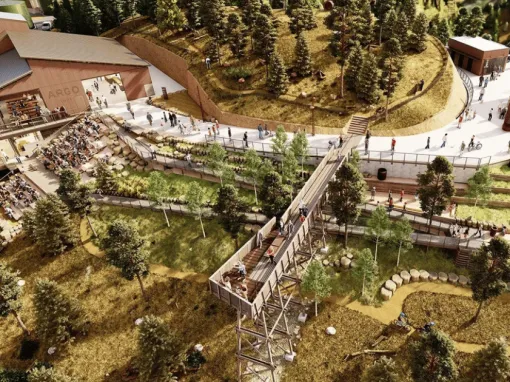
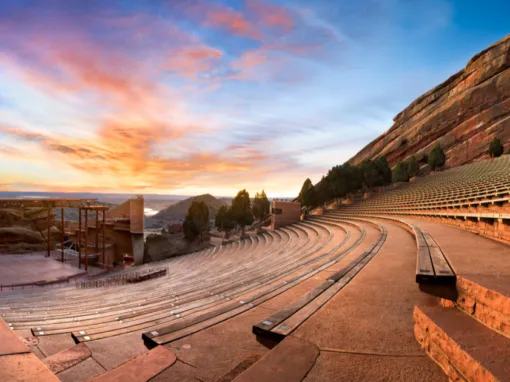
The Dillon Amphitheater stands as one of Colorado’s most breathtaking concert venues, where live music meets mountain majesty beside Lake Dillon. This iconic Dillon Amphitheater summer series attracts thousands to its shores, creating both economic vitality and community challenges. As the Dillon Amphitheater continues drawing national acts against Gore Range backdrops, finding harmony between entertainment vibrancy and neighborhood tranquility becomes essential for this beloved Summit County destination.
Dillon, Colorado, a gem nestled beside the sparkling waters of Lake Dillon, has long cultivated a reputation as a vibrant hub for outdoor recreation and community events.
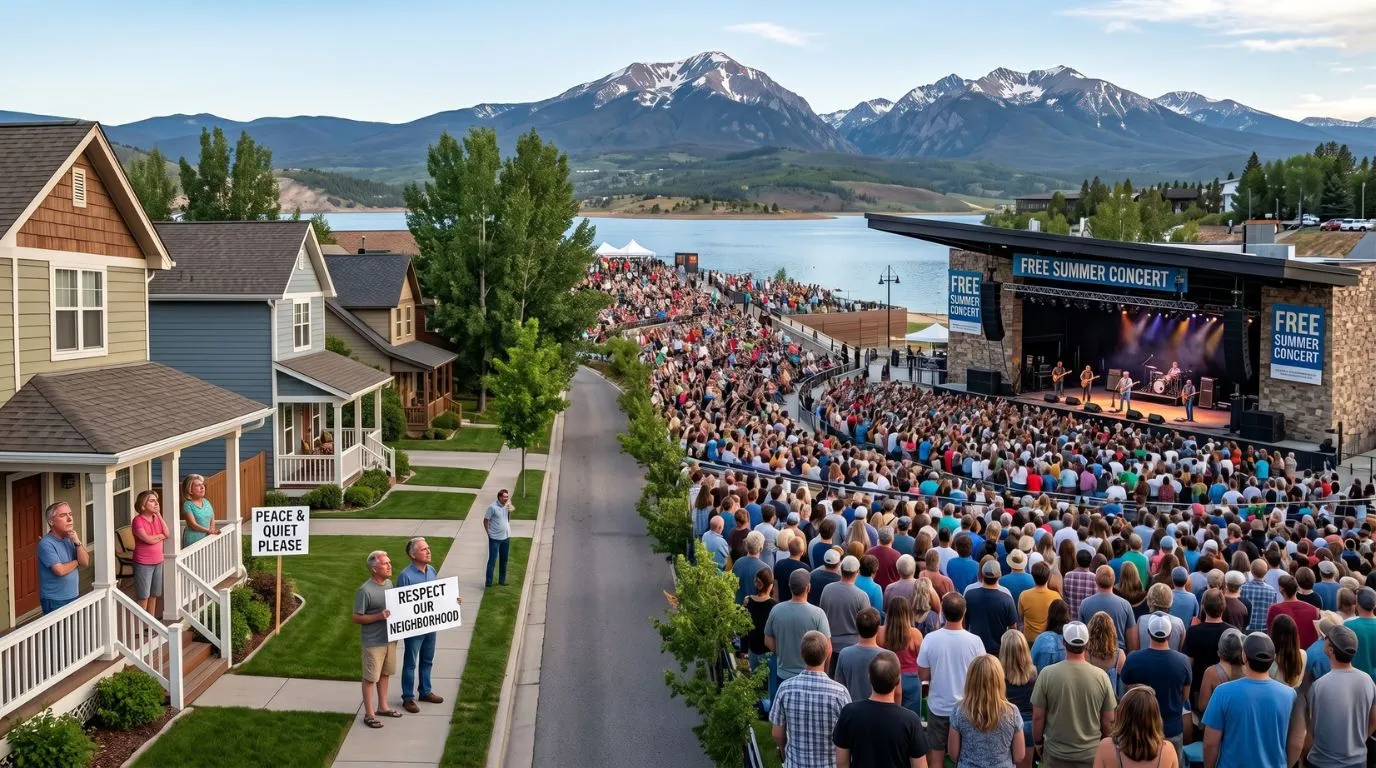
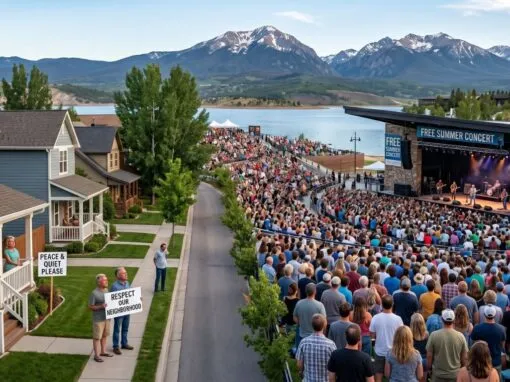
Its crown jewel, the Dillon Amphitheater, boasts arguably one of the most stunning backdrops for live music anywhere in the state, drawing thousands of visitors to its free summer concert series and ticketed shows. This success, however, has brought with it a growing tension between the economic benefits and cultural enrichment these events provide, and the peace and quiet desired by some long-term residents.
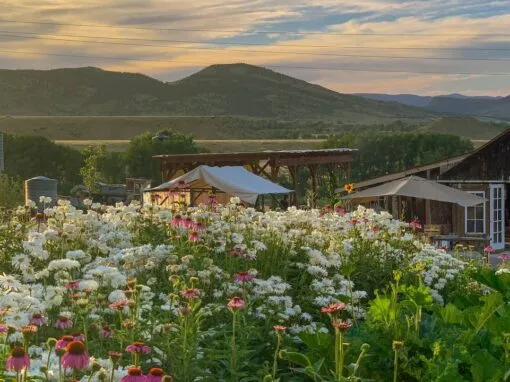
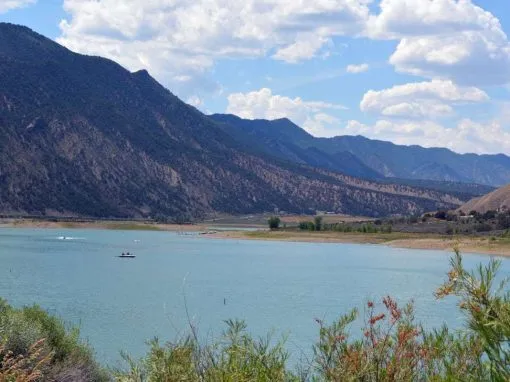
For years, the amphitheater has been a cornerstone of Summit County’s summer calendar, offering a diverse array of musical acts from local bands to national headliners. The allure of live music against the panoramic views of the Gore Range and Tenmile Range, often accompanied by breathtaking sunsets over the reservoir, is undeniable. These events are not just entertainment; they are a significant economic driver, filling local restaurants, shops, and lodging establishments, and bolstering the town’s brand as a premier destination.
Essential Dillon Amphitheater Insights for Residents and Visitors
Yet, as the popularity of the Dillon Amphitheater has surged, so too have the accompanying challenges. Residents living in close proximity, many of whom intentionally chose Dillon for its tranquil mountain atmosphere, are increasingly vocal about the impacts on their quality of life. The core of the issue often revolves around noise levels, which can carry significant distances across the lake, particularly on calm evenings. What starts as an enjoyable concert for attendees can become a prolonged disturbance for those trying to relax or put children to bed.
Beyond the decibels, concert nights bring a host of other logistical headaches. Traffic congestion, particularly on main arteries like Highway 6 and local streets, becomes a frustrating reality for both residents and visitors. Parking, already at a premium in many mountain towns, becomes a competitive sport, often leading to vehicles spilling into residential areas not designed for such volumes.
This can impede access for locals, create safety concerns, and sometimes result in litter and public intoxication issues that diminish the residential experience.
Town officials in Dillon are perpetually tasked with a delicate balancing act. On one hand, they are responsible for fostering economic vitality and offering appealing amenities that attract visitors and seasonal residents. On the other, they must ensure the well-being and satisfaction of their permanent constituents. The Town of Dillon invests considerably in public services, infrastructure, and event management to host these gatherings safely and efficiently. Finding the equilibrium between vibrant public spaces and peaceful neighborhoods is an ongoing policy challenge that many resort communities across Colorado grapple with.
How Dillon Amphitheater Concerns Are Being Addressed
To mitigate these concerns, various strategies can be explored and implemented. Stricter adherence to existing noise ordinances, coupled with real-time sound monitoring, could provide more objective data and allow for immediate adjustments during performances. Communication is also key; transparent public forums and easily accessible feedback mechanisms could help residents voice their concerns directly and constructively, fostering a sense of partnership with the town rather than antagonism. Exploring alternative transportation options, such as increased shuttle services from designated remote parking areas or improved public transit links, could alleviate traffic and parking pressures.
The Summit Stage, the county’s free public bus system, already plays a vital role, and expanding its capacity or routes on concert nights could be beneficial.
The Dillon Amphitheater itself, managed by the town, has made efforts to be a good neighbor. Its website, Dillon Amphitheater, provides information on event schedules, venue policies, and sometimes even outlines measures taken to address community impact. However, the sheer scale of some events, particularly popular free concerts, can test the limits of even well-planned logistical frameworks.
The ongoing dialogue in Dillon mirrors similar conversations in other popular Colorado mountain towns, where the influx of tourism and event-goers is a double-edged sword. While the economic boost and cultural vibrancy are celebrated, managing the impacts on local infrastructure, natural resources, and resident quality of life remains a continuous puzzle. Effective solutions often require collaborative efforts involving town government, event organizers, local businesses, and most importantly, an engaged and understanding community.
Ultimately, the goal is not to silence the music at Dillon Amphitheater, but to harmonize its operations with the needs of those who call Dillon home year-round. Striking this balance ensures that the town can continue to thrive as both a beloved destination for visitors and a cherished community for its residents, ensuring that the beautiful mountain setting can be enjoyed by all, whether for a lively concert or a quiet evening at home.
Source: Summit Daily
Related reading: Colorado live music venues · Summit County mountain towns · weekend getaways from Denver