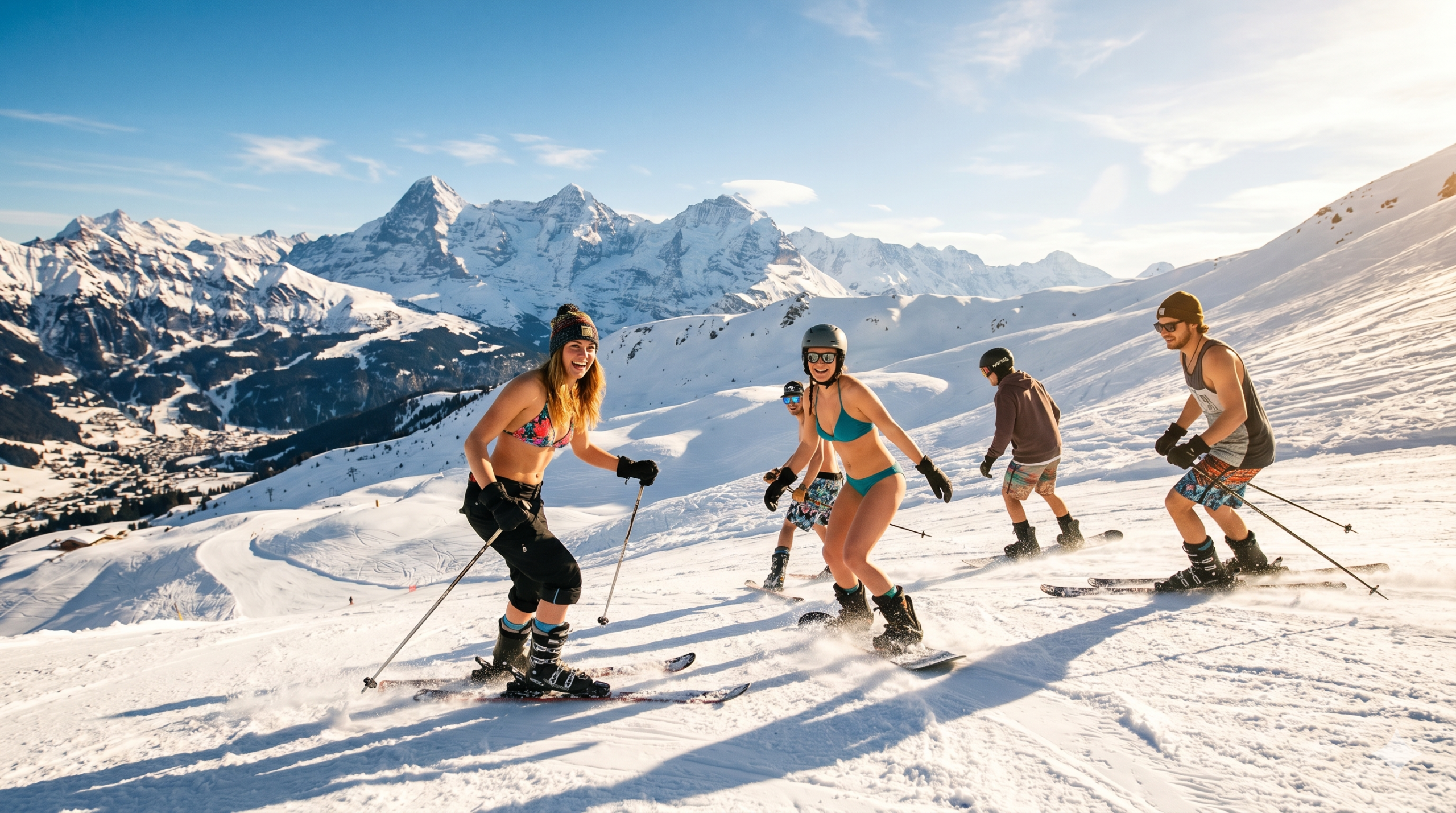
When winter’s snow melts away, **Colorado’s summer mountain towns** emerge as unparalleled havens of natural beauty and adventure. These beloved destinations transform from ski resorts into wildflower-filled paradises, alive with rushing rivers, world-class hiking, and vibrant festivals. Embrace the quintessential **Colorado lifestyle** as emerald meadows, sun-drenched outdoor dining, and that impossibly blue sky captivate visitors and locals alike. Experience the magic of the Rockies reborn, a complete sensory delight proving Colorado’s year-round allure and incredible summer offerings.
For many who call this incredible state home, the sentiment rings true: “I came for the winter, but I stayed for the summer.” The seasonal shift in our mountain communities is nothing short of spectacular. Landscapes once shimmering white become a vibrant canvas of emerald green, dotted with wildflowers in every conceivable hue. Rivers that were frozen arteries now tumble and rush, inviting rafters and fly-fishers. The air fills with the scent of pine and alpine blossoms, promising endless open-air adventure – a true rebirth that defines the **Colorado mountain lifestyle** when the warmth settles in.
Embrace the Colorado Lifestyle: Summer Mountain Towns Transform
Imagine swapping your ski boots for hiking shoes, your warm layers for breezy shorts, and your hot cocoa for a frosty local brew on a sun-drenched patio. This isn’t just a dream; it’s everyday life in Colorado’s mountain towns once summer arrives. The energy shifts from the focused exhilaration of the slopes to a more relaxed, expansive joy. Suddenly, trails beckon, rivers roar, and every outdoor space becomes an arena for fun and exploration. It’s the ultimate glow-up, where towns that know how to “do winter” truly master the art of “doing summer” even better!
Unleash Your Inner Explorer: Adventures Galore
When the warmth settles in, the mountains open up in ways that are truly breathtaking. Hiking becomes an absolute must, whether you’re aiming for a challenging summit or a gentle stroll through wildflower-strewn meadows. Imagine walking amidst a riot of columbines, lupines, and Indian paintbrushes, with the crisp mountain air filling your lungs and panoramic views stretching out before you. There are countless trails for every skill level, from family-friendly paths to strenuous treks that reward you with unparalleled vistas. Many towns serve as perfect launching pads for exploring nearby wilderness areas or even venturing into magnificent national parks like Rocky Mountain National Park, offering even more opportunities to connect with nature’s grandeur.
And let’s not forget about biking! Colorado is a mountain biking mecca, and come summer, the lift systems often transition from whisking skiers up to ferrying mountain bikers and their rigs to the tops of incredible downhill trails. But it’s not just about adrenaline-pumping singletrack; many towns boast fantastic paved paths perfect for a leisurely cruise with the family, offering stunning scenery without the intense climbs. Rent a cruiser and explore the town, or grab a gravel bike and discover hidden gems just outside the main drag. The possibilities are as endless as our beautiful blue skies.
Water, Water Everywhere! Dive into Summer Fun
Our snowmelt doesn’t just nourish the land; it fuels our rivers, transforming them into playgrounds for aquatic adventures. Whitewater rafting takes center stage, offering thrills for everyone from first-time paddlers to seasoned pros. Imagine navigating exciting rapids, laughing with friends, and soaking in the incredible canyon scenery as your expert guide leads the way. It’s an exhilarating way to experience the raw power and beauty of Colorado’s waterways. Numerous outfitters, like those operating on the Arkansas River near Buena Vista or the Colorado River, make it easy to embark on an unforgettable journey. Find your perfect river adventure and make a splash this summer!
For those seeking a more tranquil water experience, many alpine lakes and reservoirs become ideal spots for paddleboarding, kayaking, or even just a refreshing dip. Imagine paddling across a glassy lake, reflecting the surrounding peaks, with only the sound of your paddle breaking the silence. It’s pure serenity, a perfect way to recharge and soak up the peaceful mountain atmosphere.
Colorado Lifestyle: Festivals, Dining & Culture in Summer Mountain Towns
After a day packed with adventure, what’s better than kicking back and indulging in some fantastic food and drink? Colorado’s mountain towns truly come alive with a vibrant culinary scene in the summer. Patios open up everywhere, offering al fresco dining under starry skies or glorious sunshine. From cozy cafes serving up artisanal coffee and breakfast burritos to upscale restaurants featuring farm-to-table menus with locally sourced ingredients, there’s something to tantalize every taste bud. Imagine enjoying a gourmet meal with a backdrop of towering peaks – it’s an experience that nourishes both body and soul.
Raise a Glass: The Craft Beverage Boom
It wouldn’t be Colorado without an incredible craft beverage scene, and our mountain towns are no exception. Local breweries, distilleries, and even wineries flourish, often offering tours, tastings, and lively taprooms where you can sample unique local creations. Imagine sipping a crisp, mountain-brewed IPA on a sunny patio, or a handcrafted cocktail made with spirits distilled right there in the Rockies. It’s a fantastic way to unwind, meet locals, and get a true taste of the region’s innovative spirit. Many towns host breweries that pride themselves on using Rocky Mountain water, giving their creations a distinct, refreshing character. Cheers to that!
Festivals, Music, and Art: A Cultural Feast
Summer in the mountains isn’t just about outdoor sports; it’s a season of celebration! Our towns transform into bustling hubs of culture, hosting an astonishing array of festivals, concerts, and art shows. From world-class music festivals attracting international artists to local art walks showcasing incredible regional talent, there’s always something happening. Imagine dancing under the stars at an outdoor concert, browsing unique artisan crafts at a weekend market, or discovering your new favorite band at a lively street fair. These events create an electric atmosphere, bringing communities together and offering unforgettable experiences for visitors. Keep an eye on local events calendars for your favorite mountain towns – you might just stumble upon the next great Colorado summer festival!
Living the Summer Mountain Towns Lifestyle: Year-Round Guide
Visiting a Colorado mountain town in the summer is more than just a vacation; it’s an immersion into a lifestyle. It’s about slowing down, breathing deeper, and embracing the joy of being surrounded by natural beauty. Explore charming main streets lined with unique boutiques, art galleries featuring local landscapes, and independent bookstores where you can find your next great read. Engage with the friendly locals who are always eager to share their favorite hidden gems and stories. The sense of community in these towns is palpable, welcoming everyone to be a part of their vibrant tapestry.
So, as the days grow longer and the sun shines brighter, remember that **Colorado’s summer mountain towns** are waiting to welcome you with open arms and endless opportunities for adventure, relaxation, and pure bliss. Whether you’re a seasoned local or planning your first Rocky Mountain escape, get ready to discover why summer in our beloved high country is truly a season to celebrate. Come experience the magic, create new memories, and fall even more in love with our extraordinary state!
**Colorado summer mountain towns** deliver unforgettable experiences from hiking wildflower trails to mountain biking epic terrain. These alpine communities master the art of warm-weather adventure while maintaining their authentic mountain charm. Whether you’re planning a weekend escape or considering making Colorado home, these summer mountain towns await with endless possibilities. Start planning your **Colorado summer mountain towns** adventure today and embrace the vibrant **Colorado lifestyle**!
Discover Winter Park events that perfectly showcase the vibrant Colorado lifestyle, offering 15+ unforgettable celebrations year-round. From snowy January gatherings to summer music festivals under brilliant skies, these events span every season. Experience authentic Winter Park events blending live performances, culinary excellence, and athletic competitions against breathtaking Rocky Mountain scenery, embodying the true spirit of the Colorado lifestyle. Whether you’re seeking cozy winter adventures or thrilling summer fun, this beloved destination delivers year-round entertainment, making it a cornerstone of the Colorado lifestyle.
Winter Park festivals transform this Colorado mountain town into a year-round celebration destination! While fresh powder attracts winter enthusiasts, the thriving calendar of Winter Park festivals showcases live music, culinary events, and athletic competitions across all four seasons. From toe-tapping concerts under bluebird skies to cozy winter celebrations and autumn adventures, these Winter Park festivals blend breathtaking Rocky Mountain scenery with unforgettable community experiences that define the Colorado lifestyle, embodying the true spirit of mountain living.
As a proud Colorado local, I’ve seen Winter Park transform from a winter wonderland to a vibrant summer playground, and let me tell you, its event calendar is always packed with reasons to visit. It’s that magical combination of breathtaking Rocky Mountain scenery and a community that knows how to throw a fantastic party, making it a prime example of the Colorado lifestyle. From toe-tapping musical jams under bluebird skies to delectable culinary explorations and thrilling athletic challenges, there’s always something exciting happening. Let’s dive into why Winter Park deserves a spot on your itinerary no matter the time of year!
Beyond the Bunny Slopes: Winter Park’s Year-Round Vibe
We all adore the exhilarating rush of skiing or snowboarding down the legendary slopes of Winter Park Resort. It’s an iconic Colorado experience! But imagine taking that mountain magic and sprinkling it with live music that fills the crisp air, or a food festival where local chefs showcase their incredible talents. That’s the Winter Park experience during event season!
It’s about discovering new passions, whether it’s grooving to a live band, sampling artisan crafts, or cheering on athletes as they push their limits. These events transform an already gorgeous destination into a lively, bustling hub where connections are made, laughter echoes, and memories are forged. It’s the kind of place where you can spend the morning on a stunning hike and the afternoon enjoying a craft beer festival, all with that majestic mountain backdrop. That’s the Colorado lifestyle we all crave!
Even when the temperatures drop and the snow piles high, Winter Park doesn’t hibernate. Oh no! The town lights up with cozy, charming winter events that perfectly complement your ski trips. Think about coming off the slopes and heading straight to a festive gathering with warm drinks, crackling fire pits, and perhaps some delightful live entertainment. These aren’t just après-ski activities; they’re full-blown experiences that add extra sparkle to your winter escape and truly embody the Colorado lifestyle.
Holiday Magic & Mountain Merriment
The holiday season in Winter Park is pure enchantment. Imagine twinkling lights, carolers, and the joyful spirit of community gatherings. Events often pop up around Christmas and New Year’s, making it an idyllic destination for a family holiday. There’s something truly magical about celebrating in a snowy mountain town, away from the city hustle. Plus, nothing beats a hot cocoa after a day playing in the snow, especially if it’s accompanied by a parade or a festive market!
Summer’s Sweet Symphony: Sunshine, Music & Outdoor Bliss
Okay, let’s talk about Winter Park in the summer. If you haven’t experienced it, you’re in for a treat! The mountains turn emerald green, wildflowers paint the meadows, and the air is filled with the scent of pine and adventure. And the events? They are spectacular!
Summer is when Hideaway Park Amphitheater truly shines, hosting an incredible array of concerts and gatherings. Picture yourself on a blanket, surrounded by friends and family, with the sun setting behind the peaks as your favorite band plays. It’s an almost spiritual experience that embodies the freedom and beauty of Colorado summers and the vibrant Colorado lifestyle.
Melody Makers & Culinary Creations
Winter Park is particularly renowned for its summer music festivals. From the soulful sounds of jazz and blues to upbeat bluegrass and rock, there’s a rhythm for everyone. One standout is the annual Blues From The Top Music Festival, which draws incredible talent and enthusiastic crowds, turning the whole town into a soulful party. But it’s not just music! Food and drink festivals also flourish, allowing you to savor delicious local fare, craft beers, and fine wines while soaking in the mountain ambiance.
Whether it’s a grand BBQ competition filling the air with mouth-watering aromas or a farmers market brimming with fresh local produce and artisanal goods, your taste buds are in for a serious treat. These events are a fantastic way to connect with local vendors and truly taste the flavors of the region.
Autumn’s Artistic Flair & Thrilling Challenges
As the aspens turn to shimmering gold and fiery orange, Winter Park takes on another gorgeous hue, perfect for exploring a different kind of event. Fall brings with it a sense of cozy reflection, but also a final burst of outdoor excitement before the snow returns. You might find cycling races taking advantage of the cooler temperatures and stunning foliage, or perhaps art festivals showcasing local and regional talent amidst the breathtaking natural gallery of the changing leaves.
It’s a beautiful time for a scenic drive up the winding mountain roads, punctuated by a stop at a charming fall festival. These events often lean into the harvest season, with pumpkin patches, cider tastings, and craft fairs that make for a perfect family outing.
Why Winter Park’s Events Are a Must-Do
What makes Winter Park’s event scene so special, you ask? It’s the genuine heart of the community, paired with world-class facilities and that unparalleled Rocky Mountain backdrop. These aren’t just generic events; they’re infused with local flavor, organized with passion, and designed to make everyone feel welcome, whether you’re a seasoned local or visiting for the first time.
They offer a fantastic opportunity to slow down, connect with nature, and simply have fun. Imagine starting your day with a mountain bike ride on some of the best trails in the state, then capping it off with a lively concert and a delicious meal. That’s the kind of balanced, invigorating experience that Winter Park delivers in spades. It’s a place where every visit feels like a mini-vacation, and every event adds another layer of joy to the experience, all contributing to an authentic Colorado lifestyle.
So, next time you’re planning your Colorado adventures, don’t just think about the slopes or the hiking trails. Be sure to check out the incredibly vibrant Winter Park & Fraser Chamber event calendar. You might just discover your new favorite festival, a new genre of music, or a delicious culinary experience that will have you dreaming of your next trip back to this truly magical mountain town. Winter Park is ready to welcome you with open arms and an event for every mood!
Winter Park festivals prove this Colorado gem shines every season, not just winter. Whether you’re dancing at summer concerts, warming up at holiday celebrations, or cheering athletes through autumn challenges, these Winter Park festivals embody the vibrant Colorado lifestyle and create unforgettable memories against stunning mountain backdrops. Book your Winter Park getaway now and experience festival magic year-round!
Spring skiing Colorado delivers those extraordinary days when morning powder runs seamlessly transition into afternoon golf under brilliant blue skies. This unique window for spring skiing Colorado perfectly encapsulates the adventurous Colorado lifestyle. Few experiences rival spring skiing Colorado for pure excitement—imagine carving fresh corn snow at A-Basin, then teeing off at world-class courses hours later. This dual-sport paradise defines the ultimate Colorado living.
Colorado spring skiing offers a unique adventure where snowy mountain slopes meet vibrant green golf courses. There’s nothing quite like those glorious weeks when our majestic mountains invite one last dance on the slopes, while valleys call with lush fairways. Colorado spring skiing perfectly encapsulates the adventurous Colorado lifestyle of living in our incredible state. Here, we don’t just choose between winter and summer sports; we embrace them both, often in the very same sun-drenched day!
Here in Colorado, we don’t just choose between winter and summer sports; we embrace them both, often in the very same sun-drenched day! Imagine waking up to a crisp mountain morning, feeling that invigorating alpine air, knowing that an epic day of diverse adventures, central to the Colorado lifestyle, lies ahead. It’s a feeling unique to places like ours, where the lines between seasons beautifully blur, creating a playground unlike any other.
Spring Skiing Colorado: Epic Final Runs at A-Basin and Loveland Resorts
For those of us who live for the thrill of fresh powder, or even just perfectly groomed corduroy, spring skiing and snowboarding are a cherished ritual. There’s a special kind of magic to late-season runs. The sun is warmer, the atmosphere is incredibly festive, and the snow, while perhaps a bit softer, still offers an amazing ride. You can often shed a few layers, feel the warmth on your face, and truly soak in every last bit of winter wonderland before the wildflowers take over.
Places like Arapahoe Basin Ski Area and Loveland Ski Area are famous for extending the season, sometimes well into June! This gives us Coloradans ample opportunity to carve down slopes under brilliant blue skies, celebrating winter’s grand finale with friends and family. The vibes are always immaculate – think live music on the sun deck, vibrant spring attire, and that collective joy of squeezing every last drop out of ski season. It’s not just about the turns; it’s about the community, the views, and that pure exhilaration that defines the Colorado mountain lifestyle.
The Joy of Spring Corn and Après Sunshine
The snow transforms during spring, often becoming what skiers affectionately call ‘corn snow’ – small, uniform kernels that are incredibly fun to carve through. It’s a different kind of challenge and a fantastic way to refine your technique. And then, there’s the après-ski scene! After a exhilarating morning of zooming down the mountain, there’s nothing better than relaxing on a sun-drenched patio, swapping stories with your crew, and perhaps enjoying a refreshing local beverage. It’s the perfect transition from high-energy activity to blissful relaxation, all while surrounded by breathtaking mountain vistas.
Spring Skiing Colorado to Golf: Seamless Mountain-to-Fairway Transitions for the Active Colorado Lifestyle
As the snow melts lower down, revealing lush green fairways, the call of the golf course becomes irresistible. One of the most incredible aspects of the Colorado lifestyle is the ability to transition from snow sports to golf seamlessly. You can be making turns at 10,000 feet in the morning and then driving off the tee at 7,000 feet by afternoon. It’s a truly unique experience that highlights the diverse topography and endless recreational opportunities our state offers.
Colorado boasts some of the most stunning golf courses in the country, many of which are nestled right in the heart of our mountain towns or offer panoramic views of the Rockies. Imagine lining up a putt with a snow-capped peak as your backdrop, the air fresh and crisp, and the sun warming your shoulders. Courses like those found around Keystone Ranch Golf Course or the incredible links near Vail and Aspen offer not just a game, but an immersive natural experience. It’s a chance to connect with nature in a different way, enjoy the camaraderie of friends, and perfect your swing under the expansive Colorado sky.
The Challenge of Mountain Golf
Golfing at altitude is an experience unto itself! The thinner air means your ball flies further, adding an exciting new dimension to your game. It’s a fun adjustment that makes for some impressive drives and adds to the unique Colorado golf experience. Plus, walking these courses is an excellent way to get some exercise while soaking in the stunning scenery.
Planning Your Perfect Spring Skiing Colorado Golf Adventure for the Ultimate Colorado Lifestyle (2026)
So, how do you make the most of this magnificent spring transition? The secret is simple: embrace the possibilities! A multi-sport day doesn’t have to be an extreme feat; it’s about reveling in the joy of doing what you love, whatever pace you choose. Here’s how you might craft your own perfect Colorado spring day:
Morning Mountain Fun: Head to one of our fantastic resorts like A-Basin for a few hours of glorious spring skiing or snowboarding. Enjoy the bluebird skies and soft snow.
Scenic Drive & Lunch: Take a beautiful drive down the mountain. Stop for a delicious, hearty lunch at a local eatery in a charming mountain town.
Afternoon Tee Time: Head to a nearby golf course. Many courses in the foothills or lower valleys open earlier than those higher up, making this transition perfectly feasible.
Evening Relaxation: Cap off your incredible day with a visit to one of Colorado’s renowned craft breweries or a lovely patio restaurant. Enjoy a refreshing local craft beer or a delicious meal, reflecting on a day packed with quintessential Colorado fun.
This kind of day is more than just checking off activities; it’s about experiencing the fullness of what Colorado has to offer. It’s about feeling the thrill of the slopes, the satisfaction of a well-hit golf shot, and the pure joy of living in a place that allows for such incredible diversity in a single breath. It’s a testament to the vibrant, active, and endlessly rewarding Colorado lifestyle that makes us all feel so lucky to live here.
So, this spring, don’t just dream about it – go out and create your own unforgettable Colorado adventure. Whether you hit one sport or two, the mountains and valleys are calling, ready to fill your days with sunshine, laughter, and memories that will last a lifetime. Happy exploring!
Colorado spring skiing and golf create unforgettable memories and embody the ultimate Colorado lifestyle. Whether you’re carving down A-Basin’s legendary slopes or sinking putts against mountain backdrops, this unique season offers the best of both worlds. Don’t miss your chance to experience this incredible Colorado lifestyle this year—book your mountain adventure and tee times now!
Ready to explore beginner hiking trails that transform mountain dreams into reality? Colorado’s beginner hiking trails offer gentle paths, breathtaking views, and accessible adventures for first-time explorers. These top five essential beginner hiking trails near Denver deliver unforgettable experiences without overwhelming challenges, making them perfect for families, fitness seekers, and nature lovers. Start your journey on Colorado’s most rewarding beginner hiking trails today!
Colorado hiking trails offer breathtaking adventures for everyone, especially beginners! If you’ve gazed at our majestic mountains and wondered about those winding paths, you’re in the right place. Getting out onto Colorado hiking trails isn’t just for seasoned pros—it’s an invitation for all. Whether you’re new to hiking or exploring our incredible state for the first time, prepare to feel inspired and totally stoked to experience these amazing trails!
There’s something truly special about hiking in Colorado. Maybe it’s the crisp, clean air filling your lungs, or the endless blue skies stretching overhead. Perhaps it’s the jaw-dropping vistas that greet you around every bend – snow-capped peaks, verdant valleys, sparkling alpine lakes, and forests bursting with piney scents. Our trails offer a direct connection to the awe-inspiring beauty that makes living here such a dream. Beyond the spectacular scenery, hiking is a fantastic way to boost your mood, clear your head, and reconnect with yourself. It’s an instant dose of happiness, a natural stress-buster, and a fantastic way to stay active while exploring our magnificent backyard, fully embracing the Colorado lifestyle.
From gentle strolls through wildflower meadows to more challenging ascents with panoramic rewards, Colorado’s trail system is incredibly diverse. We’re truly lucky to have such a wealth of options right at our fingertips, catering to every energy level and every desire for adventure. Whether you’re seeking solitude, a fun family outing, or a serene escape with friends, there’s a perfect path waiting for you.
Essential Prep for Your First Hiking Trail Adventure
Taking that first step onto a new trail might feel like a big adventure, but we’re here to cheer you on! The key is to start simple, focus on enjoyment, and build your confidence one delightful trek at a time.
Choosing Your Perfect Adventure
The first step to a great hike is picking the right trail for *you*. For beginners, we highly recommend starting with trails that are shorter in distance (think 1-3 miles), have minimal elevation gain, and are well-marked. Many of Colorado’s State Parks and open spaces offer fantastic beginner-friendly options with diverse scenery. Don’t feel pressured to tackle a ‘fourteener’ on your first outing! The goal is to have fun, enjoy the scenery, and feel good about your accomplishment.
Websites and apps like AllTrails are your best friends here. You can filter by difficulty, length, and even discover trails with specific features like waterfalls or lakes. Look for trails rated ‘easy’ or ‘moderate’ with reviews that confirm they’re suitable for beginners. Some of our favorite beginner-friendly spots near major cities include the numerous trails in Boulder’s Open Space system, the picturesque paths around Golden, or the accessible routes within Red Rocks Park near Denver.
Smart Gear, Happy Feet
You don’t need to break the bank to get started! The most important gear is comfortable footwear. A good pair of broken-in athletic shoes or light hiking shoes with decent tread will do wonders. While fancy hiking boots are great for rugged terrain, they’re not a necessity for your first few gentle explorations. Beyond shoes, here’s a quick list of essentials to make your trek comfortable and safe:
Water: This is non-negotiable in Colorado’s dry climate and higher altitude. Carry more than you think you’ll need!
Layers: Colorado weather loves to surprise us. Even on a sunny day, temperatures can change quickly, especially at higher elevations. A light jacket or a fleece layer is always a good idea.
Sun Protection: The sun here is intense! Hat, sunglasses, and sunscreen are absolute must-haves.
Snacks: A granola bar, some fruit, or trail mix can provide a much-needed energy boost and makes your break feel like a mini picnic!
Small Backpack: To carry all your goodies, of course!
If you’re looking to invest in some quality gear as you fall more in love with hiking (and trust us, you will!), stopping by a local outdoor outfitter like the REI Denver Flagship store is a fantastic idea. Their friendly staff can help you find exactly what you need without overwhelming you.
Trail Manners & Protecting Our Playground
Part of the joy of Colorado is sharing its beauty, and that means being a responsible and respectful visitor. The ‘Leave No Trace’ principles are super important here. This means packing out everything you pack in (yes, even fruit peels!), staying on marked trails to protect delicate ecosystems, and respecting wildlife by observing from a distance. A happy trail is a clean trail, reflecting the best of the Colorado lifestyle!
Also, a friendly ‘hello’ to fellow hikers, stepping aside for uphill trekkers, and keeping dog leashes short are all wonderful ways to make the trail experience enjoyable for everyone.
Maximizing Joy on Beginner Hiking Trails: Expert Colorado Tips
Now that you’re geared up and ready to go, let’s talk about savoring every moment on the trail!
Pace Yourself & Savor the Scenery
Hiking isn’t a race! Especially when you’re starting out, focus on a comfortable, steady pace. This allows you to truly take in the stunning surroundings, breathe deeply, and enjoy the physical activity without feeling rushed or exhausted. Stop frequently to hydrate, snap photos, or simply admire a particularly beautiful view. Listen to the birds, feel the breeze, and just be present in nature. These moments are what make hiking so incredibly rewarding and a core part of the Colorado lifestyle.
Fueling Your Fun
We already mentioned water and snacks, but it bears repeating: proper hydration and nutrition are crucial, especially at Colorado’s altitude. Dehydration can sneak up on you, so sip water regularly throughout your hike, even if you’re not feeling thirsty. A few extra snacks can make all the difference in keeping your energy levels up and your spirits high!
Weather Wise & Sun Smart
Colorado’s weather can be famously unpredictable, especially in the mountains. A sunny morning can quickly turn into an afternoon thunderstorm. Always check the forecast before you head out, and be prepared for changes. Those layers we talked about will be your best friends! And again, don’t underestimate the power of our sun – sunscreen applied generously and a wide-brimmed hat are your best defense against sunburn.
Top 5 Beginner Hiking Trails Near Denver for New Hikers
Ready for some specific inspiration? Here are five fantastic spots that are perfect for dipping your toes into Colorado hiking, offering beautiful scenery without being overly strenuous:
Chautauqua Park (Boulder): Iconic flatiron views with multiple easy loops. A true gem!
Garden of the Gods (Colorado Springs): Paved and unpaved easy trails winding through stunning red rock formations. Truly breathtaking and accessible.
South Valley Park (Littleton): Gentle trails that are less crowded than some, offering beautiful views and a peaceful atmosphere.
Golden Gate Canyon State Park (Golden): While it has challenging trails, there are several lovely, shorter loops like the Tallman Ranch trail that offer beautiful forest and meadow experiences.
Roxborough State Park (Littleton): Discover dramatic red rock formations and serene trails perfect for a peaceful beginner hike.
For more ideas on easy trails in the Denver metro area, check out resources like Denver.org’s hiking guide, which often highlights great beginner options.
Complete Beginner Hiking Trails Experience: Beyond the Trail
Hiking isn’t just about the trail itself; it’s about the entire wonderful experience! After a refreshing hike, there’s nothing quite like celebrating your efforts with a delicious meal or a cold, local craft brew. Many of Colorado’s charming mountain towns and cities boast fantastic eateries and breweries that are perfect for a post-hike treat. Imagine enjoying a burger or a locally brewed IPA at a spot like New Terrain Brewing Co. in Golden, with its vibrant patio scene and easy access to trails. It’s the perfect way to cap off an amazing day outdoors and truly embrace the Colorado lifestyle!
Start Your Colorado Beginner Hiking Trails Journey Today
So, what are you waiting for? Our beautiful Colorado trails are calling your name, eager to share their magic with you. Don’t let the idea of ‘getting started’ hold you back. Every experienced hiker was once a beginner, and the most important step is simply the first one out the door. Grab your water bottle, lace up those shoes, and step out into the incredible world that awaits. You’ll be amazed at how quickly you fall in love with the joy, beauty, and peace that hiking in Colorado brings. Happy trails, friends, and welcome to the Colorado lifestyle!
Colorado hiking trails are waiting to welcome you with open arms and stunning vistas. From gentle meadow strolls to rewarding mountain ascents, these trails offer unforgettable experiences right in our backyard. Grab your boots, pack your water, and discover why Colorado hiking trails create lifelong adventurers. Start planning your first hike today!
Discover the heart of the Colorado lifestyle through unparalleled LoDo Colorado lifestyle dining. Denver’s historic Lower Downtown is rapidly transforming into the state’s premier culinary destination, offering vibrant LoDo dining experiences that perfectly complement your Colorado adventures. From innovative flavors to electric atmospheres, these unforgettable evenings define urban excellence and showcase why Colorado living is truly extraordinary. Whether you’re celebrating a day on mountain trails or planning the ultimate date night, LoDo’s creative menus and dynamic energy are ready to captivate your senses.
Imagine this: you’ve spent a glorious day soaking up the Colorado sunshine, perhaps exploring majestic mountain trails or cheering on our beloved sports teams. As the sun sets, casting golden hues over Denver’s iconic skyline, a different kind of adventure calls—a culinary one! Denver’s LoDo (Lower Downtown) neighborhood, with its unique blend of historic charm and electric energy, provides the ideal backdrop for the kind of world-class Denver dining experiences LoDo has become famous for. It’s where the past meets the present, offering a vibrant culinary playground that truly defines the urban Colorado lifestyle.
LoDo Dining Scene: Your Ultimate Colorado Lifestyle Culinary Playground
One of the many reasons we’re so lucky to live in Colorado is the sheer diversity and quality of our dining options. From farm-to-table gems in quaint towns to international flavors that transport you across the globe, our culinary landscape, a cornerstone of the Colorado lifestyle, is rich and inviting. And right in the heart of LoDo, there’s a place that’s a star, epitomizing LoDo Colorado lifestyle dining. It’s redefined what a special occasion dinner can be, offering an experience that’s anything but traditional. It’s where the sophisticated flavors you crave meet an undeniable zest for life.
More Than Just a Meal: It’s an Experience!
Forget everything you think you know about a classic, quiet, formal dinner. While there’s a place for hushed conversations and stiff white tablecloths, sometimes you want your dining experience to sparkle with as much energy as your Saturday night plans. This particular spot in Denver has mastered the art of blending top-tier cuisine with an exhilarating, social atmosphere, perfectly aligning with the dynamic Colorado lifestyle. It’s like stepping into a chic, lively celebration where every dish is a star.
From the moment you walk in, you’ll be greeted by an infectious buzz. The lighting is just right—think soft, inviting glows mixed with vibrant pops of color. The music sets an upbeat, sophisticated tempo, encouraging you to relax, laugh, and connect with your fellow diners. It’s a place where conversations flow easily, and every corner feels designed for memorable moments. It’s not just about eating; it’s about savoring the ambiance, the company, and the sheer joy of a fantastic night out in urban Colorado.
Now, let’s talk about the food! While the atmosphere is undoubtedly a showstopper, the culinary team here crafts dishes that are equally dazzling. Imagine perfectly prepared entrees that tantalize your taste buds, made with the kind of care and attention to detail that truly elevates a meal. The menu is a delightful journey of flavors, offering something for every palate while maintaining an impressive standard of excellence, a hallmark of Denver dining LoDo style.
Signature Flavors and Creative Pairings
While the focus is on a beloved classic, the creativity truly shines in the thoughtful preparations and innovative side dishes. You’ll find fresh, seasonal ingredients transforming familiar favorites into something entirely new and exciting. Think crisp, vibrant salads, decadent appetizers meant for sharing, and sides that are so flavorful they might just steal the show. And let’s not forget the drinks! The cocktail menu is a masterclass in mixology, featuring inventive concoctions that perfectly complement the bold flavors on your plate, adding to the complete LoDo Colorado lifestyle dining experience.
Crafting the Perfect Colorado Lifestyle Night Out in LoDo
Whether you’re celebrating a milestone birthday, an anniversary, or simply want to treat yourself to a fabulous night on the town, this LoDo Colorado lifestyle dining gem is the answer. It’s a testament to Denver’s vibrant dining scene and a must-visit for anyone who appreciates great food and the high-energy atmosphere that defines urban Colorado living. It’s experiences like these that remind us why Colorado is such an incredible place to call home.
Ready to dive into the ultimate LoDo Colorado lifestyle dining experience? Grab your friends, dress to impress, and get ready for a night that captures the essence of Denver’s incredible culinary scene. Denver’s culinary scene is waiting for you!
Embrace the unique **Colorado lifestyle** by discovering its breathtaking stargazing sites. Colorado offers some of the most spectacular night sky views in the nation, making it a perfect destination for those seeking a connection with nature and the cosmos. Discover 7 premier dark sky locations where pristine night skies reveal breathtaking celestial wonders. These seven premier Colorado stargazing sites across the state offer unmatched astronomical experiences, from the Western Slope’s remote wilderness to high-altitude observatories. Whether you’re photographing the Milky Way, tracking meteor showers, or simply enjoying the peaceful solitude, Colorado’s designated dark sky sites provide the perfect backdrop for unforgettable cosmic adventures that truly define the **Colorado lifestyle**. Explore more about mountain towns Colorado to find your next adventure and fully immerse yourself in all the state has to offer.
Embrace the Colorado Lifestyle: Top Stargazing Sites for Your Next Adventure
There is an undeniable magic to standing under a canopy of countless stars, a core part of the **Colorado lifestyle** for many outdoor enthusiasts. Colorado is rolling out a fantastic new resource – a stargazing trail that connects some of the best dark sky locations in the state! This trail is a dream come true for anyone who loves the night sky, offering a curated list of spots where you can experience the universe in all its glory.
For centuries, the night sky has captivated humanity, sparking curiosity and wonder. In Colorado, a state renowned for its outdoor activities and appreciation for nature, we have a front-row seat to this cosmic spectacle, and it’s an experience everyone deserves to have as part of their **Colorado lifestyle**. Imagine pointing out Jupiter’s moons, spotting a shooting star, or tracing the familiar patterns of the Big Dipper and Orion, all from a spot where the stars feel so close you could almost reach out and touch them.
Contains information related to marketing campaigns of the user. These are shared with Google AdWords / Google Ads when the Google Ads and Google Analytics accounts are linked together.
90 days
__utma
ID used to identify users and sessions
2 years after last activity
__utmt
Used to monitor number of Google Analytics server requests
10 minutes
__utmb
Used to distinguish new sessions and visits. This cookie is set when the GA.js javascript library is loaded and there is no existing __utmb cookie. The cookie is updated every time data is sent to the Google Analytics server.
30 minutes after last activity
__utmc
Used only with old Urchin versions of Google Analytics and not with GA.js. Was used to distinguish between new sessions and visits at the end of a session.
End of session (browser)
__utmz
Contains information about the traffic source or campaign that directed user to the website. The cookie is set when the GA.js javascript is loaded and updated when data is sent to the Google Anaytics server
6 months after last activity
__utmv
Contains custom information set by the web developer via the _setCustomVar method in Google Analytics. This cookie is updated every time new data is sent to the Google Analytics server.
2 years after last activity
__utmx
Used to determine whether a user is included in an A / B or Multivariate test.
18 months
_ga
ID used to identify users
2 years
_gali
Used by Google Analytics to determine which links on a page are being clicked
30 seconds
_ga_
ID used to identify users
2 years
_gid
ID used to identify users for 24 hours after last activity
24 hours
_gat
Used to monitor number of Google Analytics server requests when using Google Tag Manager
1 minute
Marketing cookies are used to follow visitors to websites. The intention is to show ads that are relevant and engaging to the individual user.
A video-sharing platform for users to upload, view, and share videos across various genres and topics.
Registers a unique ID on mobile devices to enable tracking based on geographical GPS location.
1 day
VISITOR_INFO1_LIVE
Tries to estimate the users' bandwidth on pages with integrated YouTube videos. Also used for marketing
179 days
PREF
This cookie stores your preferences and other information, in particular preferred language, how many search results you wish to be shown on your page, and whether or not you wish to have Google’s SafeSearch filter turned on.
10 years from set/ update
YSC
Registers a unique ID to keep statistics of what videos from YouTube the user has seen.
Session
DEVICE_INFO
Used to detect if the visitor has accepted the marketing category in the cookie banner. This cookie is necessary for GDPR-compliance of the website.
179 days
LOGIN_INFO
This cookie is used to play YouTube videos embedded on the website.