The Renaissance of the Centennial State: A 2026 Perspective

For those of us who have called Colorado home for decades, the rhythm of the state has always been defined by the seasons. However, as we move through February 2026, there is a distinct feeling that we are witnessing a fundamental shift in the Colorado lifestyle. The frantic energy of the early 2020s has been replaced by something more sustainable, more intentional, and—frankly—more exciting. From a housing market that finally lets you catch your breath to a culinary scene that is quite literally on fire, the Colorado of 2026 is a masterclass in balanced living. Whether you are looking to plant roots in the Denver Metro, seeking the world's most elite snowboarding action in Aspen, or simply looking for a free place to teach your kids to ski in the heart of the city, this month marks a turning point for our community.

Housing: The Power Shift Every Buyer Has Been Waiting For

If you tried to buy a home in Colorado between 2020 and 2024, you likely remember the feeling of sheer desperation. Houses were gone before the sign hit the yard, and bidding wars were the default. But as of February 18, 2026, the data tells a much more hopeful story for families and first-time buyers. The Denver Metro area has seen inventory surge to over 8,200 active listings, creating the most balanced market environment we have seen since 2019. This is not just a statistical blip; it is a lifestyle game-changer. For the first time in years, the median time a home sits on the market has stretched to between 56 and 71 days. This 'pause' allows families to conduct thorough inspections, negotiate on price, and truly consider their future without the crushing pressure of a three-hour deadline. We are seeing a return to the 'thoughtful purchase,' where the home is a sanctuary rather than a speculative asset. This inventory surge is particularly noticeable in the suburban rings of Aurora, Littleton, and Thornton, where new developments are finally meeting the demand of those seeking more square footage and community-focused neighborhoods.

Negotiation is Back in Style

In this February 2026 market, buyers are finding that sellers are more willing to contribute to interest rate buy-downs or cover closing costs. The leverage has shifted, and it is creating a healthier entry point for young professionals and growing families who were previously priced out by cash-heavy investors. This cooling period is exactly what the state needed to preserve its middle-class character.

A Culinary Revolution: The Fire-Driven Flavor of 2026

While the housing market is cooling down, the dining scene is heating up—literally. February 2026 has been defined by the arrival of 'fire-driven' global cuisines, a trend that emphasizes ancestral cooking techniques over high-tech gadgetry. The biggest buzz in the state right now is centered around Cherry Creek North, where Uchiko has officially opened its doors. As the fire-driven sister concept to the legendary Uchi, Uchiko brings a smoky, hearth-centric approach to Japanese fusion. The experience of sitting at the chef’s counter, watching fresh seafood interact with live coals, is emblematic of the 'immersive dining' trend dominating 2026. But it is not just Japanese cuisine getting the flame treatment. Spanish tapas have seen a massive resurgence, led by the debut of Mar Bella Boqueria. This concept, along with the highly anticipated Casa Juani, reflects a broader lifestyle trend where Coloradans are moving away from quick, transactional meals toward long, social, and shared dining experiences. These restaurants are not just places to eat; they are community hubs where the atmosphere is as important as the menu.

Why Wood-Fired?

  • Authenticity: In a world increasingly dominated by AI and automation, the unpredictability of a wood fire offers a human touch that diners crave.
  • Texture: There is a specific char and depth of flavor that only live fire can produce, elevating simple ingredients like Colorado lamb or locally foraged mushrooms.
  • Social Centricity: The hearth serves as a natural gathering point, turning a meal into a performance.

The Snow League: Aspen Takes the World Stage

Colorado’s identity is inextricably linked to outdoor recreation, and this month, we are hosting a piece of history. Aspen Snowmass is the site of the inaugural event for The Snow League, the world’s first professional snowboarding league, founded by none other than Shaun White. This weekend at Buttermilk, the eyes of the global sporting community are on Colorado. This league represents a 'progression' in how we view winter sports—moving from seasonal exhibitions to a structured, professional circuit. For locals, this means the 'Aspen experience' has been elevated to even higher heights. Watching world-class athletes compete in a format designed for television but best experienced in the thin air of the Rockies is a reminder of why we live here. It cements Colorado not just as a place to play, but as the global epicenter for the evolution of mountain sports.

Urban Mountains: The Ruby Hill Rail Yard

While the pros are in Aspen, the heart of the city is seeing its own winter revolution. Denver’s Ruby Hill Rail Yard officially opened its 2026 season on February 1, and it is better than ever. The city’s commitment to making mountain sports accessible to everyone is on full display here. This year, the park introduced a new surface lift, significantly increasing the number of runs a rider can get in a single afternoon. Supported by advanced snowmaking technology, Ruby Hill provides a 'mountain resort experience' right in the middle of the urban landscape. This is a vital part of the Colorado lifestyle—ensuring that the joy of skiing and snowboarding is not gatekept by expensive lift tickets or long drives on I-70. For a family in the city, the ability to head to Ruby Hill after school for a few free laps on the rails is what makes Denver one of the best places to live in the country.

Community and Heritage: Peak Winter Carnival Season

Finally, we cannot talk about February without mentioning the festivals that bind our communities together. This month marks the 113th Steamboat Springs Winter Carnival, a tradition that survives because of its deep roots in local history. From horses pulling skiers down Lincoln Avenue to the spectacular firework displays, it is a reminder of the state’s rugged heritage. Meanwhile, the Cripple Creek Ice Festival has reached record attendance this year, with artists transforming massive blocks of ice into ephemeral masterpieces. What is particularly notable in 2026 is the shift toward 'family-centric' programming. Events like the 'Wild at Heart' weekends at the Cheyenne Mountain Zoo and the various 'Sweetheart Skates' in local community rinks show a move toward wholesome, connection-focused recreation. These festivals are the soul of Colorado, proving that despite our growth and modernization, we still value a good bonfire, a well-carved sculpture, and the company of our neighbors.

The State of the Union in Colorado

The Colorado lifestyle in February 2026 is one of maturity. We have the space to buy homes, the passion to innovate in the kitchen, the drive to host world-first sporting leagues, and the heart to maintain our oldest traditions. Whether you are navigating the new housing inventory or grabbing a seat at the fire-driven hearth of Uchiko, there has never been a more vibrant time to be a Coloradan. The balance has returned, and the mountains are calling—not just from the horizon, but from the very heart of our communities.

Denver Restaurant Week 2026 Guide

Denver Restaurant Week (DRW) is officially returning for its 22nd year, and the 2026 edition promises to be the most diverse yet. Running from March 6 through March 15, 2026, this ten-day event is the perfect excuse to break out of your dining rut and explore the culinary mastery that Colorado has to offer. For those residing in or visiting Boulder County, the news is even better: you don’t have to fight traffic on I-25 to enjoy these deals. While the name says "Denver," Boulder has become the event's most sophisticated satellite, offering a farm-to-table experience that downtown often can't match.

Key Takeaways for 2026

  • Dates: March 6 – March 15, 2026.
  • Price Points: Four tiers at $25, $35, $45, and $55 per person.
  • Boulder Focus: High participation in Boulder, Louisville, and Lafayette.
  • Reservation Strategy: Book at least 2 weeks in advance for peak times.

The 2026 Pricing Structure Explained

To keep the event accessible while allowing high-end establishments to showcase their best work, Visit Denver has maintained four distinct price points for multi-course meals. Each participating restaurant chooses one of these tiers for their fixed-price menu:

Tier Price Dining Style
$25 Per Person Casual gems, lunch specials, and high-quality comfort food.
$35 Per Person Neighborhood favorites and established local bistros.
$45 Per Person Upscale dining and refined three-course experiences.
$55 Per Person Premier fine-dining destinations and Michelin-recognized spots.

*Prices are per person and do not include tax, gratuity, or alcohol unless otherwise specified.

Boulder City: The Heart of the Culinary Week

While Denver is the namesake, Boulder is arguably the culinary soul of the front range. This year, Boulder City has a record number of participants across every price tier. Whether you are looking for Pearl Street sophistication or a North Boulder neighborhood gem, the options are extensive.

Top Pick: Jill’s Restaurant & Bistro ($55 Tier)

Located inside the St Julien Hotel & Spa, Jill's is often considered the gold standard for Restaurant Week. In 2026, their menu focuses on "Modern Colorado" flavors. Expect a starter like their Mushroom Arancini with truffle aioli, followed by a Short Rib Bourguignon that has been braised for 12 hours. For dessert, their Sticky Toffee Pudding with whiskey brickle ice cream is non-negotiable.

The Boulder Cork ($55 Tier)

A Boulder institution for over 50 years, The Boulder Cork is where you go for reliable, high-end American steakhouse fare. Their DRW menu is famously generous.

  • Appetizer: Lobster Ravioli or Beef Carpaccio.
  • Entree: Their signature "Famous Prime Rib" or Sake Salmon.
  • Why: The Cork's atmosphere is classic Boulder—upscale but never stuffy.

Cafe Aion ($45 Tier)

Nestled on the University Hill, Cafe Aion offers a Mediterranean escape. Chef Dakota Soifer uses wood-fired techniques to bring out the best in local lamb and seasonal seafood. Their Paella is often a highlight of the DRW special menu.

Dagabi Cucina ($45 Tier)

In North Boulder, Dagabi Cucina offers a blend of Italian and Spanish influences. Known for their wood-fired pizzas and house-made pastas, their Restaurant Week menu typically offers a high-value three-course meal that feels much more expensive than the $45 price tag.

Vinca ($45 Tier)

A newer addition to the Boulder scene, Vinca has quickly gained a reputation for its wine-forward dining and sophisticated small plates. Their 2026 participation emphasizes regional ingredients paired with unique international wines.

Brasserie Boulder ($35 Tier)

For those looking for a classic French bistro experience at a mid-tier price point, Brasserie Boulder is the perfect stop. Expect items like Steak Frites or Coq au Vin that transport you directly to a Parisian sidewalk.

Atomic Cowboy ($25 Tier)

If you're looking for the best value of the week, Atomic Cowboy (home to Fat Sully's Pizza and Denver Biscuit Co.) offers a casual Restaurant Week deal that is hard to beat. It’s the perfect spot for a low-key lunch or a late-night bite.

Exploring Louisville and Lafayette

The culinary landscape of East Boulder County has exploded in recent years. Louisville and Lafayette are no longer just "suburbs"—they are dining destinations in their own right.

Via Toscana (Louisville - $55 Tier)

For those in Louisville, Via Toscana is the premier destination for authentic Italian. During Restaurant Week, they pull out all the stops with handmade pastas and regional veal specialties that usually command much higher prices on their standard menu.

The Melting Pot (Louisville - $45 Tier)

Always a popular choice for groups and families, The Melting Pot offers a four-course interactive experience. You'll enjoy cheese fondue, a fresh salad, a curated entree (featuring steak, shrimp, and chicken), and their famous chocolate fondue for dessert. It's often the most "fun" reservation to make during the week.

Bittersweet (Louisville - $45 Tier)

Bittersweet focuses on farm-to-table excellence. Their Restaurant Week menu is a testament to the local harvest, even in the early spring months of March. Their attention to detail in plating makes this a favorite for local food photographers and influencers.

Por Wine House (Louisville - $35 Tier)

For a lighter, wine-focused meal, Por Wine House offers sophisticated small plates and pairings that provide a different pace than the heavy three-course meals found elsewhere.

The Longmont Culinary Scene: Hidden Gems

Longmont is often the best-kept secret of Denver Restaurant Week. Because it's further north, reservations are often slightly easier to obtain, but the quality is on par with the best of Boulder. In fact, many locals argue that Longmont has the best "bang for your buck" during this ten-day window.

Sugarbeet ($45 Tier)

Sugarbeet offers modern American fare with a focus on fresh, seasonal ingredients. Their DRW menu often includes sophisticated seafood dishes and perfectly paired desserts. It is consistently rated as one of the top dining experiences in Northern Colorado.

The Roost ($35 Tier)

For a more casual but highly flavorful experience, The Roost in downtown Longmont is a favorite. Their rooftop atmosphere and creative cocktail list complement a menu that is both affordable and inventive. It’s an ideal spot for a group of friends looking for a lively Restaurant Week outing.

How to Maximize Your Restaurant Week Experience

With over 270 restaurants participating across the metro area, competition for tables is fierce. Here is how to ensure you have the best experience:

Pro-Tip: The "Value Strategy"

Don't just look at the price tier; look at what's included. A $55 menu that includes a 10oz Prime Rib and a Lobster appetizer is a massive steal compared to a $45 menu that features chicken or pasta. Always calculate the "standard menu" price to see how much you are actually saving. In Boulder, restaurants like Jill's and The Cork often offer menus that would cost $90+ on a normal night.

  1. Book Early: Reservations at popular Boulder spots like Jill's or the Boulder Cork fill up weeks in advance. If you see a menu you love, book it on OpenTable immediately. Many restaurants open their DRW books in mid-February.
  2. Consider Weeknights: Friday and Saturday nights are the busiest. If you can swing a Tuesday or Wednesday evening, you’ll likely enjoy a more relaxed pace of service and have an easier time snagging your preferred time slot.
  3. Check for Surcharges: Some high-end restaurants may offer "add-ons" (like truffle shavings or wine pairings) for an additional fee. Be sure to read the fine print on the menu so your bill doesn't surprise you.
  4. Tip Generously: Your server is working incredibly hard during this high-volume week. Tip based on the quality of service and the estimated full value of the meal, rather than just the discounted price tag.

SEO Insights: Trending Cuisines for 2026

If you're wondering what everyone else is searching for this year, current data points toward three major trends in the Colorado dining scene:

  • Modern Mexican: Cuisine from the interior regions of Mexico (Oaxaca, Puebla) is seeing a 40% increase in search volume. Spots like Cencalli Taqueria are becoming major draws.
  • Zero-Waste Dining: Restaurants that highlight "root-to-stem" cooking are becoming a major draw for the Boulder County demographic. Black Cat Farmstead (Lyons/Boulder) remains the leader here.
  • Interactive Dining: Families are increasingly searching for experiences like Japanese BBQ and Fondue. This is why The Melting Pot and Gyu-Kaku consistently top the reservation lists.

Conclusion: Supporting Local in 2026

Denver Restaurant Week 2026 is more than just a discount; it's a celebration of the resilience and creativity of our local chefs. Following the challenges the hospitality industry has faced in recent years, this week serves as a vital boost for our neighborhood businesses. It’s a chance for us to gather, share a meal, and appreciate the incredible talent we have right here in our backyard.

Whether you are a lifelong Boulder local or just visiting for the weekend, we encourage you to step outside your comfort zone. Try that Moroccan bistro you've walked past a dozen times, or finally book that table at the steakhouse you've been saving for a "special occasion."

Mark your calendars for March 6 – 15, 2026. Your next favorite meal is waiting!

The Ultimate Guide to Denver’s Free March Events

March in Denver is the ultimate "bridge" month. One day you’re basking in 60-degree sunshine at a local park, and the next you’re watching a classic spring snowstorm blanket the Rockies from your window. But no matter what the Colorado sky is doing, there is one thing we can always count on: The Mile High City is packed with incredible free things to do.

If you’re looking to explore the city without breaking the bank this month, we’ve rounded up the very best free museum days, outdoor adventures, and community celebrations for March 2026. Grab your calendar and let's dive in!

🎨 Art & Culture: Free Museum Days

Thanks to the Scientific and Cultural Facilities District (SCFD), some of Denver’s world-class institutions open their doors to the public for free. These are the perfect "plan B" for those unpredictable snowy March afternoons.

Pro Tip: Many of these venues require advanced registration online due to high demand on free days. Be sure to click the links above to snag your tickets early!

☘️ St. Patrick’s Day Parade

When: Saturday, March 14, 2026 | 9:30 AM
Where: Downtown Denver (Starting at 19th & Wynkoop)

You don’t have to be Irish to enjoy one of the biggest St. Paddy's Day celebrations west of the Mississippi! The Denver St. Patrick’s Day Parade is a massive, free community event featuring step dancers, pipe bands, and festive floats. Grab a spot along the route early—the energy is electric and the "wearing of the green" is mandatory (spiritually, at least)!

🖼️ First Friday Art Walks

When: Friday, March 6, 2026 | 5:30 PM – 9:30 PM
Where: Various Districts

March is a fantastic time for a gallery stroll. Most districts offer free shuttles or easy walking paths:

  • Art District on Santa Fe: Explore over 100 galleries and studios. It’s the ultimate "people-watching" spot in the city.
  • RiNo (River North) Art District: Check out the world-famous murals and enjoy live music and pop-up installations.
  • 40 West Arts: Head to Lakewood for the "First Friday Art Crawl" for a more local, DIY community vibe.

❄️ Winter Fun at Ruby Hill Rail Yard

When: All Month (Weather Permitting)
Where: Ruby Hill Park

Did you know Denver has its own free ski and snowboard terrain park right in the city? The Ruby Hill Rail Yard features rails and boxes for all skill levels. If we've had a snowy March (or the city has been busy making it), it’s the best place to get some turns in without a $200 mountain lift ticket.

🦬 Wildlife Watching at Rocky Mountain Arsenal

When: Daily, Sunrise to Sunset
Where: Commerce City

March is a beautiful transitional month for our local wildlife. Take the 11-mile Wildlife Drive at the Rocky Mountain Arsenal Wildlife Refuge. It’s totally free and offers a high chance of seeing bison, mule deer, and hawks. Keep your eyes peeled for bald eagles as they begin their nesting season!

🏛️ Always Free Gems

If you can't make the specific "Free Days," these hidden gems are always free to explore:

Final Thoughts

March in Colorado is unpredictable, but your budget doesn't have to be! Whether you’re wandering through the Botanic Gardens or cheering at the parade, there’s no shortage of reasons why we are truly Lucky to Live in Colorado.

Which free event are you heading to first? Tag us in your March adventures @LuckyToLiveInColorado!

Exploring the Charm of Small Towns in Colorado

1. Overview of Colorado's Small Towns

Colorado, known for its majestic mountains and vibrant cities, also brims with quaint small towns that offer a unique charm. These spots encapsulate the essence of American life and serve as a refuge from the fast-paced urban settings. Small towns in Colorado provide picturesque landscapes, rich history, and warm, welcoming communities.

2. Unique Attractions

2.1. Estes Park

A gateway to Rocky Mountain National Park, Estes Park captivates visitors with its stunning views and outdoor activities. Known for its scenic drives, hiking trails, and abundant wildlife, it also offers charming boutiques and delightful eateries. The Historic Stanley Hotel, which inspired Stephen King’s "The Shining," draws those interested in both the supernatural and the architectural beauty.

2.2. Breckenridge

Famed for its ski resorts, Breckenridge is a year-round destination. The town features preserved Victorian architecture and a vibrant arts scene, with art galleries and theaters contributing to its cultural tapestry. Visitors can engage in skiing, snowboarding, and hiking on the surrounding trails, or explore local craft breweries and distilleries.

2.3. Telluride

Nestled in a box canyon, Telluride is famous for its stunning scenery and historic mining heritage. This picturesque town hosts numerous festivals, including the Telluride Film Festival and the Telluride Bluegrass Festival, attracting visitors from all over. The vistas surrounding Telluride are breathtaking at any time of year, with hiking, skiing, and mountain biking drawing adventurers.

3. Culinary Delights

3.1. Local Dining Scene

Small towns often showcase farm-to-table dining experiences. Restaurants prioritize local ingredients and offer seasonal menus, allowing visitors to explore Colorado’s rich agricultural bounty. In towns like Fruita, visitors can enjoy locally brewed coffee and artisanal pastries in friendly cafés that epitomize the communal spirit.

3.2. Craft Breweries

Colorado’s reputation as a craft beer haven extends to its small towns. Establishments like the Durango Brewing Company bring unique brews and create a social hub for locals and tourists alike. Discovering these hidden gems often leads to unearthing new flavors that are steeped in the history and culture of their surroundings.

4. Historical Significance

4.1. Leadville

As one of Colorado's highest incorporated cities, Leadville is rich in mining history. Visitors can explore the National Mining Hall of Fame and Museum, which highlights the state’s mining past. Wooden buildings preserved from the 19th century contribute to the town’s historic charm, making it an ideal stop for history enthusiasts.

4.2. Central City

Founded during the Gold Rush, Central City offers a glimpse into the past with its preserved historic district. The Central City Opera House, built in 1878, stands as a testament to the town’s cultural history. Visitors can wander the charming streets, discovering old saloons and brick buildings while soaking in the atmosphere of an era long gone.

5. Nature and Outdoor Activities

5.1. Aspen

Not just a ski destination, Aspen offers year-round outdoor activities. The surrounding landscape provides ample hiking and biking trails, while the Roaring Fork River is a hotspot for fishing and kayaking. Nature lovers can also visit the nearby Maroon Bells, one of Colorado's most photographed mountains.

5.2. Salida

Surrounded by the majestic Sawatch Range, Salida is a haven for outdoor enthusiasts. Known for its white-water rafting and kayaking opportunities on the Arkansas River, the town is also an excellent base for hiking and mountain biking. The scenic beauty of the area makes Salida a perfect destination for both adventure seekers and those looking for tranquility.

6. Arts and Culture

6.1. Crested Butte

Renowned for its wildflower festivals and vibrant art community, Crested Butte is a small town that thrives on creativity. Visitors can explore numerous galleries, artisan shops, and participate in workshops led by local artists. The annual Crested Butte Arts Festival showcases the town’s artistic talents, bringing together artists and art lovers.

6.2. Trinidad

A town steeped in cultural richness, Trinidad hosts an array of art installations and galleries that celebrate local artists. It also features the Trinidad History Museum and the iconic Fox Theatre. The town’s history as a coal mining hub is evident in its architecture and cultural events, emphasizing Trinidad’s importance within Colorado’s heritage.

7. Community Events

7.1. Seasonal Festivals

Throughout the year, small towns in Colorado celebrate their communities through lively festivals. From pumpkin patches in the fall to holiday celebrations in winter, these events foster a sense of community. The annual Fruita Fat Tire Festival attracts mountain biking enthusiasts, while the Estes Park Winter Festival embraces the joyous spirit of winter.

7.2. Farmers' Markets

Many small towns host farmers' markets that highlight local produce, crafts, and cuisine. Markets in places like Boulder and Durango provide not only fresh food but also a community gathering space where residents and visitors alike can interact and enjoy the local culture.

8. Local Shopping Experience

8.1. Boutique Stores

Shopping in small towns often means discovering unique, artisanal products. Boutiques in towns like Steamboat Springs feature handmade crafts, local art, and specialty foods. These shops reflect the creativity and talent of local artisans, making it easy to find one-of-a-kind gifts or souvenirs.

8.2. Antique Shops

Antique shopping is a delightful experience in towns like Leadville and Salida. These shops offer an array of historical artifacts, furniture, and collectibles, allowing visitors to take a piece of Colorado's rich history home with them. Digging through these treasures often yields unexpected finds that tell stories of the past.

9. Accessibility

9.1. Getting There

Most small towns in Colorado are easily accessible via well-maintained highways, making road trips a popular way to explore. Each town has its own distinct character and offers a variety of experiences, ensuring that every journey is worthwhile. Local shuttles and transport services are available, particularly in popular tourist areas.

9.2. Accommodation Options

Accommodations in these small towns range from cozy bed and breakfasts to cabins and motels, providing diverse options for every budget. Many inns and hotels are locally owned, adding to the personalized experience of staying in these charming destinations. This local touch enhances the discovery of each town's unique charm and hospitality.

10. The Warmth of Community

10.1. Welcoming Atmosphere

The warmth and friendliness of residents in small Colorado towns create a welcoming atmosphere. Strangers are often greeted with smiles and conversation, contributing to a sense of belonging and community that is sometimes lacking in larger cities.

10.2. Volunteerism and Engagement

Community events, local charities, and volunteer opportunities abound in small towns, allowing visitors to engage with the local culture. Joining a community festival or helping out at a local charity gives visitors deeper insight into the values and spirit of each town.

Explore the charm of Colorado's small towns, each exuding its unique character and inviting travelers to experience a slice of local life. With stunning natural landscapes, rich history, mouthwatering cuisine, and a strong sense of community, these towns provide endless opportunities for adventure and discovery.

Halloween Concerts in Denver You Don’t Want to Miss

It’s our favorite time of year in Colorado. From leaf-peeping opportunities to visiting haunted houses, the spooky season is in full swing. It all comes to a crescendo on Halloween, and there are several concerts that will definitely be treats, whether you’re wearing a costume or not.

From itchy-O at Summit to the Reverend Horton Heat at the new Federal Theatre and a hip-hop party at Red Rocks, these are the Halloween concerts you don’t want to miss:

Halloween Concerts in Denver You Don’t Want to Miss

Last year’s Hallowmass was packed.

Itchy-O’s Hallowmass
Friday, October 31, 8 p.m.
Saturday, November 1, 8 p.m.
Summit Music Hall, 1902 Blake Street

This is one of our favorite annual events. Year after year, itchy-O delivers more than a concert with Hallowmass — it’s an immersive ritual. The masked drum troupe, which I allowed to “kidnap” me last year, is layered in mystery. This year’s Hallowmass serves to honor impermanence and release attachments, and guests are encouraged to bring objects that represent something they wish to leave in their past as a symbolic offering at an altar. We can’t emphasize enough that Hallowmass is a transcendent experience you won’t forget. Tickets are $52-$71.

Cloonee
Friday, October 31, 7 p.m.
Mission Ballroom, 4242 Wynkoop Street

Rave the night away to the tech-house beats of Cloonee, who will be headlining Mission. Openers include Sosa, Classmatic and CJ. Tickets are $54.58.

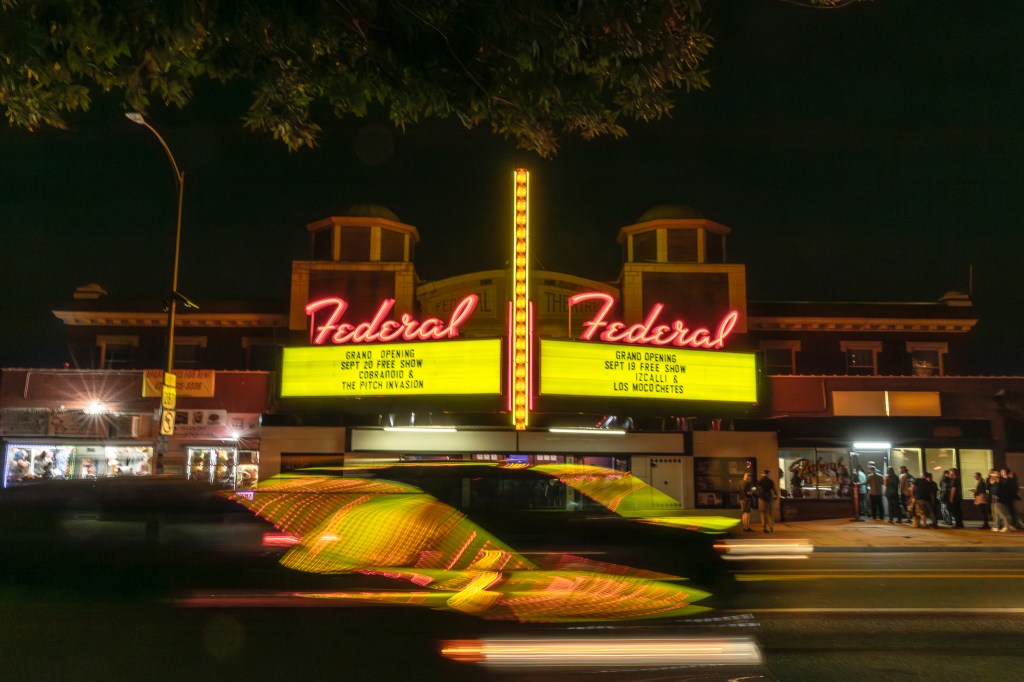
The Federal Theatre's grand-opening on Friday, September 19, 2025. Halloween Concerts in Denver You Don’t Want to Miss
The Federal Theatre’s grand-opening on Friday, September 19, 2025.

Photography by: Brandon Johnson (@bjohnsonxar)

Reverend Horton Heat
Friday, October 31, 8 p.m.
Federal Theatre, 3830 Federal Boulevard

After being vacant for decades, the Federal Theatre just opened as a music venue in September. For Halloween, it will host Reverend Horton Heat, a psychobilly trio from Texas whose music you may recognize from Beavis and Butthead, Tony Hawk’s Pro Skater 3 or Guitar Hero. The band blends punk, rock, country, blues and more for its distinct sound. Tickets are $38.51.

Denzel Curry, Freddie Gibbs & Earl Sweatshirt
Friday, October 31, 6:30 p.m.

Red Rocks Amphitheatre, 18300 West Alameda Parkway, Morrison
This show will make for a hip-hop Halloween to remember. Rappers Denzel Curry, Freddie Gibbs and Earl Sweatshirt will coheadline the venue in a concert that’s bound to bring the heat (important at Red Rocks in October). Openers include 2deadboyz and Lexa Gates. Tickets are $80-$515.

Wood Belly with Tonewood String Band and Ridgeliners
Friday, October 31, 8 p.m.
Globe Hall, 4483 Logan Street

Bluegrass and a costume party? Down. Wood Belly will bring its blend of bluegrass, country, Americana and a heap of jams to Globe Hall for a bootstomping costume party. The show includes fellow genre purveyors Tonewood String Band and Ridgeliners. Tickets are $27.64.

Idle Freaks
Friday, October 31, 7 p.m.
Bar 404, 404 Broadway

Denver rock band Idle Freaks will celebrate the release of its latest album, Freakshow, at Bar 404. Wear your best costume and get there early to rock out with opening acts Stovetop Gemini, Cause Celebre and Red Light Ritual. The cover is $15 at the door.

Find more concerts on our Denver concert calendar.

Sweaty double feature – Boulder Weekly

Remakes may feel like the name of the game these days, but it’s always been like this. What’s changed is the availability of the original. Saw How to Train Your Dragon in theaters? Watch the animated version on Peacock today! Kids loved Lilo & Stitch? Show them the better version on Disney+ as you drive home! That component wasn’t always the case. And when audiences lined up to see William Friedkin’s Sorcerer in 1977, there was a good chance they hadn’t seen the previous iteration, Henri-Georges Clouzot’s 1953 French thriller, The Wages of Fear. Even if they had, they hadn’t seen it in Clouzot’s intended glory because U.S. distributors heavily censored the movie, excising almost 30 minutes of material they deemed anti-American. Not that many saw Sorcerer when it came out, either. The movie was released one month after Star Wars changed the cinematic landscape, and audiences decided they were done with journeys into the heart of darkness. Friedkin, who scored big earlier in the decade with The French Connection and The Exorcist, was out and the blockbusters of Steven Spielberg and George Lucas were in. But time can be kind to the movies that fall through the cinematic cracks. The Wages of Fear was properly restored and released into U.S. theaters in 1992, and Sorcerer has enjoyed a surprising reappraisal on the repertory circuit. Now, both are available on gorgeous 4K UHD/Blu-ray sets from The Criterion Collection. What a sweaty double feature these two make. Both versions are derived from Georges Arnaud’s 1950 book and employ the same premises: Deep in the South American jungle, an American-owned oil well has blown and turned the facility into a fiery hellscape. The only way to salvage the well is to blow it out with nitroglycerine. But the nitro is stored in a dilapidated town hundreds of miles away. Between the two are winding mountain roads, rickety bridges and an obstacle not even the oil executives know about. Transporting such an explosive substance via truck over such a terrain would be suicide. So they find four men with nothing to lose, promise them an exorbitant wage for their risk and hope for the best. And if the men die, well, no one is going to miss them. That sentiment is as callous in the movies as it reads on the page. Neither filmmaker softens the exploitation — either of the men or the South American villages. But Friedkin goes one step further in testing the limits of your empathy by making his four (an embezzler, a contract killer, a terrorist and a mobster) reprehensible characters while reminding you no one is just one identity. Are we the sum of past choices, or can we strive to be more? The Wages of Fear and Sorcerer are both bleak as hell but so expertly made it’s hard not to sit in awe of them. Some stories really are worth telling over and over again. This is one such story.
ON SCREEN: The Wages of Fear and Sorcerer are available on 4K UHD and Blu-ray from The Criterion Collection.