Ski fitness is the secret to transforming good powder days into spectacular mountain experiences across Colorado’s legendary slopes. Whether you’re preparing for your first ski fitness routine or refining your training, building core strength and endurance before winter arrives makes every turn smoother and every run more exhilarating. Smart ski fitness preparation ensures you’ll conquer Colorado’s best terrain from opening day through spring skiing season.
Oh, Colorado! There’s just something magical about those first crisp autumn mornings, isn’t there? You can practically feel the hum of anticipation in the air as we start to dream of snow-covered peaks and the exhilarating rush of carving down a freshly groomed run. Here in the Centennial State, winter isn’t just a season; it’s a celebration, a way of life, and the ultimate playground for adventure seekers.
As much as we adore those vibrant fall colors and sunny summer hikes, every true Colorado local knows that the countdown to ski season is always on. And while we might all be itching to get our skis or boards waxed and ready, the secret to making those epic powder days truly unforgettable actually starts long before the first snowflake falls. It’s all about nurturing our bodies, embracing year-round movement, and building that foundational strength that transforms a good day on the slopes into an absolutely glorious one!
Transform Your Ski Fitness Dreams Into Unforgettable Powder Days
Picture this: a bluebird sky, fresh corduroy underfoot, and the crisp mountain air filling your lungs as you glide effortlessly down a pristine slope. Sounds amazing, right? We’ve all had those days where every turn feels perfect, every mogul conquered, and you just don’t want the lifts to stop spinning. That’s the magic of Colorado skiing!
But let’s be honest, we’ve also had those days where our legs start screaming by lunchtime, our turns get a little sloppy, and our energy wanes just when the snow gets really good. That’s where a little off-season dedication comes in! It’s not about grueling workouts; it’s about building a robust, resilient body that can handle the dynamic demands of skiing and snowboarding, allowing you to maximize every precious moment on the mountain.
The truth is, unlocking your best ski season isn’t just about technique or equipment (though those certainly help!). It’s about how you prepare your body to move fluidly, powerfully, and with enduring stamina. When your body is ready, you’re less likely to tire, more likely to stay agile, and far more likely to grin from ear to ear from first chair to last call.
Core & Glute Power: Essential Ski Fitness Training Secrets
You know that feeling of stability when you’re cruising down a slope, effortlessly absorbing bumps and linking turns? A lot of that comes down to a strong foundation, and trust us, your glutes and core are the unsung heroes of magnificent mountain adventures! Think of them as the powerhouses that stabilize your hips, fuel your turns, and keep you balanced as you navigate varied terrain. When these muscle groups are strong and engaged, your body can move with incredible precision and power, making every descent feel smoother, more controlled, and frankly, a lot more fun!
Forget the idea that ‘working out’ has to be a chore. In Colorado, fitness is just another exciting facet of our vibrant outdoor lifestyle! We’re lucky to have endless opportunities to build strength and agility through activities that are already part of our everyday fun. So, let’s explore how you can naturally fortify those essential muscles and get ready to truly own the mountain.
Beyond the Gym: Colorado’s Natural “Workouts”
Who needs a stuffy gym when the entire state of Colorado is your playground? One of the best ways to get ski-ready is by embracing the same activities that make summer and fall so spectacular here!
- Hiking & Trail Running: Our incredible network of trails is a natural training ground! Ascending and descending uneven terrain strengthens your quads, hamstrings, and yes, those crucial glutes, all while building cardiovascular endurance. Plus, the high altitude gives your lungs an extra challenge! Explore some of the stunning paths available through Rocky Mountain National Park for breathtaking views and a fantastic workout.
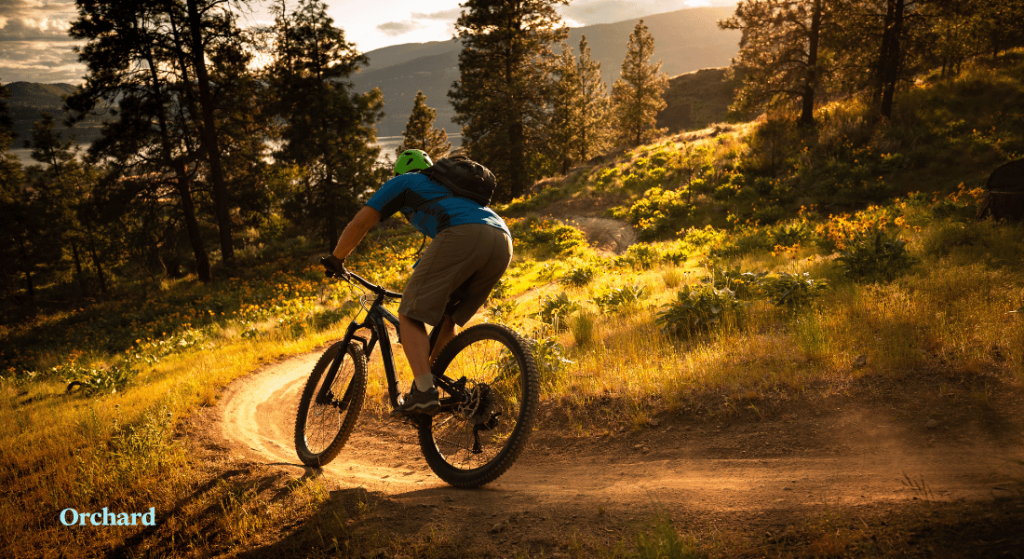
- Mountain Biking: If you’re looking for an exhilarating way to build leg power and balance, hop on a mountain bike! Navigating rocky paths and steep climbs is an incredible way to engage your core, develop explosive leg strength, and sharpen your reflexes – all skills that translate beautifully to the ski slopes. Check out the vast trail systems managed by Colorado State Parks Trails to find your next two-wheeled adventure.
- Yoga & Pilates: For flexibility, core stability, and improved body awareness, nothing beats a good yoga or Pilates session. These practices are fantastic for strengthening your deep abdominal muscles and improving your balance, which are absolutely essential for making those graceful, controlled turns on your skis or board. Many studios across Colorado offer classes tailored to active lifestyles!
- Climbing & Bouldering: Whether indoors or outdoors, climbing is a full-body workout that builds incredible grip strength, core stability, and problem-solving skills. It’s another fantastic way to engage those stabilizing muscles and improve overall athletic prowess for the winter season.
Fuel Your Ski Fitness: Nutrition for Mountain Adventures
Being ready for the slopes isn’t just about muscle; it’s also about fueling your body with delicious, nourishing food! Colorado is a haven for fresh, local produce and innovative culinary experiences. Eating well keeps your energy levels high, aids muscle recovery, and ensures you feel fantastic all season long.
Think about incorporating plenty of colorful fruits and veggies, lean proteins, and wholesome grains into your diet. And don’t forget hydration – the dry mountain air demands it! A post-hike smoothie packed with berries or a hearty, locally sourced dinner after a day of biking can be just as rewarding as conquering a black diamond run. Embrace the farm-to-table movement by visiting a local market; the Colorado Farmers Market Association can guide you to fresh, seasonal delights near you.
Ski Fitness Payoff: Glorious Days on Colorado Slopes
Imagine launching yourself into that first big turn on a fresh powder day, feeling your muscles respond instantly, your balance unwavering, and a huge smile spreading across your face. That’s the payoff for all your year-round adventures! When you’re strong, agile, and full of energy, you can truly immerse yourself in the unparalleled joy of Colorado’s winter wonderland.
Whether you’re exploring the legendary bowls of Vail Ski Resort, cruising the expansive terrain at Winter Park, or finding your happy place at a cozy local gem, your preparation will shine through. You’ll be able to ski longer, explore more challenging runs, and feel fantastic doing it. And let’s be real, nothing beats that amazing après-ski feeling when you know you’ve earned every sip of that craft brew or every bite of that delicious meal after an epic day on the snow!
Year-Round Ski Fitness: Colorado Adventure Lifestyle
Being ‘Lucky To Live In Colorado’ isn’t just a catchy phrase; it’s a testament to the incredible lifestyle we get to enjoy every single day. From the vibrant energy of summer hikes to the thrilling descent of a snowy mountain, our state constantly invites us to play, explore, and live life to the fullest. Preparing for ski season isn’t a chore; it’s just another joyful way we embrace the active, outdoor spirit that defines Colorado living.
So, whether you’re hitting the trails, finding your zen in a yoga class, or simply enjoying the crisp mountain air on a walk, remember that every step you take is a step towards an even more amazing winter. Get ready to power up, show off those strong glutes, and make this your best Colorado ski season yet! We can’t wait to see you out there, living your best mountain life!
Source: Unofficial Networks
Colorado road biking transforms ordinary rides into extraordinary mountain adventures. From Trail Ridge Road’s sky-high vistas to Independence Pass’s alpine beauty, colorado road biking delivers unmatched challenges and rewards. Whether you’re tackling your first high-altitude climb or conquering another 12,000-foot pass, colorado road biking routes offer breathtaking scenery and unforgettable experiences. Ready to discover why colorado road biking is the ultimate cyclist’s dream?
 Alright, fellow Colorado adventurers! Have you ever heard about incredible feats of athleticism and thought, “Wow, that’s amazing… and it really makes me appreciate the epic challenges we have right here in our own backyard!” That’s exactly how I feel when I think about the spirit of pushing limits on two wheels. While folks around the globe are tackling intense climbs, here in Colorado, we’re blessed with some of the most spectacular — and challenging — road biking routes anywhere, beckoning us to embrace the thrill of the ascent.
It’s no secret that living in Colorado means embracing the outdoors, and for many of us, that means finding joy and challenge on a bicycle. From seasoned pros to weekend warriors, our state offers an unparalleled playground for road cyclists. Imagine yourself pedaling skyward, the crisp mountain air filling your lungs, and panoramic vistas unfolding with every turn of the wheel. It’s more than just exercise; it’s a communion with nature, a test of endurance, and a pure, unadulterated dose of Rocky Mountain happiness!
Colorado Road Biking: Conquering the High Passes
When it comes to road biking, Colorado isn’t just a destination; it’s a dream. We have a network of paved roads that snake their way up some of the highest mountain passes in North America, each offering its own unique flavor of challenge and reward. These aren’t just roads for cars; they’re monuments to human spirit and natural grandeur, waiting to be explored by bike.
Think about the iconic Trail Ridge Road in Rocky Mountain National Park, often called the “highway to the sky.” Climbing over 12,000 feet, it offers mind-blowing views of tundra, wildlife, and distant peaks. Or perhaps the breathtaking ascent up Independence Pass, connecting Aspen and Twin Lakes, where the air thins, and the alpine scenery is simply beyond compare. These aren’t just rides; they’re journeys that etch themselves into your memory, making you feel incredibly alive and connected to the majestic landscape around you.
Why Colorado is a Cyclist’s Paradise
What makes Colorado so special for road biking? For starters, it’s the sheer variety. Whether you’re looking for a gentle spin along a river trail, a rolling ride through scenic farmlands, or a grueling climb that tests every fiber of your being, Colorado delivers. Our commitment to outdoor recreation is reflected in our well-maintained roads and increasingly bike-friendly infrastructure.
Then there’s the altitude, of course! While it adds an extra layer of challenge, it also means thinner air and lighter resistance once you’re accustomed to it, making you feel stronger when you ride at lower elevations. Plus, conquering a 10,000-foot or 12,000-foot pass on your bike? That’s a badge of honor, my friends! And let’s not forget the weather – while mountain conditions can be unpredictable, a typical Colorado summer day offers bright sunshine, low humidity, and cool mountain breezes, creating perfect riding conditions.
The Colorado Road Biking Experience: Uphill Thrills and Downhill Joy
The beauty of road biking in Colorado isn’t just about the summit; it’s about the entire experience. There’s a meditative quality to the rhythm of your pedals on a long climb, the quiet focus as you push through each switchback. And oh, the reward! The feeling of accomplishment as you reach the top, taking in 360-degree views that stretch for miles, is simply unparalleled. You feel on top of the world, literally!
And then comes the descent! The wind rushing past, the blur of the landscape, the exhilarating sensation of effortless speed – it’s pure joy. It’s the perfect balance to the hard work of the climb, a thrilling reward that makes every uphill push worth it. Plus, think of all the delicious Colorado craft beers and incredible food you’ve earned waiting for you at the end of the ride!
Joining the Colorado Cycling Community
Beyond the individual challenge, Colorado boasts a vibrant and welcoming cycling community. From organized charity rides to casual group spins, there are countless ways to connect with fellow enthusiasts. Events like Ride The Rockies draw participants from all over, offering a fantastic way to explore different parts of the state on two wheels with full support and camaraderie. Local bike shops are often the heart of the community, offering advice, gear, and group rides for all skill levels. Organizations like Bicycle Colorado are dedicated to making our state even more bike-friendly, advocating for safety and infrastructure improvements.
Whether you’re new to the sport or a seasoned cyclist, there’s a place for you in Colorado’s cycling scene. It’s about sharing stories, encouraging each other, and celebrating the sheer joy of movement and exploration. It’s about more than just fitness; it’s about forging friendships and discovering new corners of our stunning state.
Start Your Colorado Road Biking Adventure Today!
So, if you’re looking for an incredible way to experience the magic of Colorado, to challenge yourself, and to create unforgettable memories, grab your road bike! Start with some of our many scenic paved trails, then gradually work your way up to those iconic mountain passes. Remember to always ride safely, know your limits, and be prepared for changing mountain weather.
There’s nothing quite like the feeling of earning every single mile, seeing our beautiful state from a whole new perspective, and realizing just how lucky we are to call Colorado home. Get out there, feel the sun on your face, the wind in your hair, and the thrill of the open road. Your next epic Colorado adventure is just a pedal stroke away!
Source: Unofficial Networks
Colorado outdoor gear makes the difference between canceling plans and conquering any weather. When you’re equipped with quality colorado outdoor gear, sudden rain showers become part of the adventure, not the end of it. Smart colorado outdoor gear choices—especially reliable rain jackets and weather-ready equipment—unlock year-round exploration across our diverse landscapes, from alpine trails to charming mountain towns, ensuring every day delivers unforgettable moments.
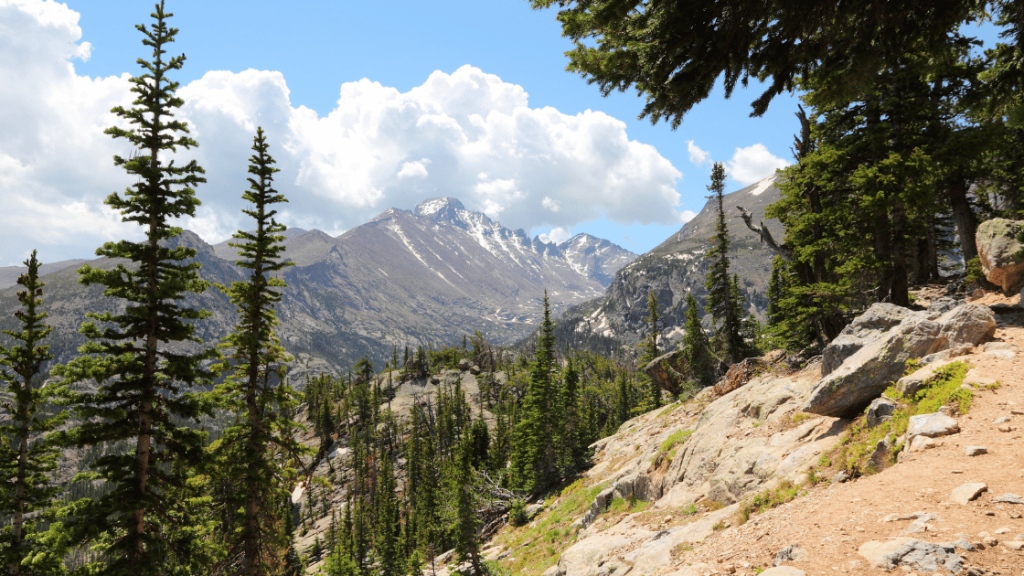
Alright, fellow Colorado adventurers, let’s chat about something near and dear to our hearts: the weather! We all know that magical feeling when the sun is shining, the sky is an impossible shade of blue, and the mountains are calling. But we also know that Colorado skies have a whimsical personality, sometimes shifting from brilliant sunshine to a quick, refreshing sprinkle (or even a dramatic downpour!) in a blink.
It’s all part of the charm, isn’t it? The sudden scent of petrichor on a summer afternoon hike, the dramatic clouds clinging to the peaks, the way the landscape seems to breathe a little deeper after a good rain. Here in Colorado, we don’t let a little moisture dampen our spirits – we embrace it! And the secret to truly unlocking joy in every single Colorado day, no matter what the clouds are doing, often comes down to one simple, powerful truth: being prepared.
The Colorado Mindset: Quality Outdoor Gear Enables Year-Round Fun
Ask any seasoned Colorado local, and they’ll likely tell you a version of the old adage: “There’s no bad weather, just bad gear.” And oh, how true that rings when you’re living the dream here! Our state is a playground of epic proportions, offering everything from challenging fourteeners to serene lake walks, bustling city parks, and charming small-town streets. To truly soak it all in, you need to be ready for whatever Mother Nature throws your way, with a smile!
Your Passport to Uninterrupted Joy: The Right Outerwear
Imagine this: You’re halfway up a glorious trail in Rocky Mountain National Park, the views are breathtaking, and then you see those classic afternoon clouds starting to gather. Or perhaps you’re enjoying a fantastic meal on a patio in Boulder, and a sudden drizzle begins. Do you pack up and head indoors, missing out on precious moments?
Not if you’re a savvy Colorado explorer! This is where smart gear choices come into play. A quality rain jacket isn’t just about staying dry; it’s about extending your adventure, protecting your comfort, and preserving your joy. It’s the difference between shivering your way back to the car and confidently striding forward, knowing you’re cozy and protected.
Adventures Await: Why Colorado Outdoor Gear Matters for Every Season
Colorado’s diverse landscapes mean we experience a range of microclimates. You could be basking in sun on the Front Range and encountering a cool, misty rain just an hour later up in the mountains. This isn’t a problem; it’s an opportunity! The right gear empowers you to:
- Hike Higher, Longer: Those alpine showers add to the mystique of a mountain trek. With a dependable jacket, you can keep going, reaching that stunning overlook or waterfall, even if the skies open up briefly.
- Explore Charming Towns: Many of our beloved mountain towns, like Aspen or Telluride, are even more picturesque under a soft rain. Don’t let a sprinkle stop you from browsing quaint shops or enjoying a warm beverage at an outdoor cafe.
- Enjoy Outdoor Events: From summer concerts in Red Rocks to farmers’ markets, outdoor events are a staple of Colorado life. A reliable outer layer means you can keep dancing, shopping, and soaking in the atmosphere without a second thought.
- Chase Waterfalls and Wildflowers: Spring and early summer often bring the most dramatic weather changes, but also the most vibrant wildflowers and gushing waterfalls. Don’t miss these spectacular sights because you’re worried about getting a little wet!
Smart Choices for Peak Comfort and Performance
When it comes to essential outdoor apparel, we’re talking about items that work hard so you can play harder. The beauty of today’s outdoor gear market is that you can find incredible value without compromising on performance. Investing in a piece that offers robust protection, like a multi-layer waterproof membrane, means you’re getting serious weather-fighting power that stands up to Colorado’s diverse conditions.
Think about it: a jacket that keeps you dry and comfortable allows you to extend your stay on the trail, finish that scenic bike ride, or simply relax longer on the patio of a fantastic Colorado brewery, like Left Hand Brewing Company in Longmont, even if there’s a light drizzle. It’s about maximizing your outdoor time and truly living the “Lucky To Live In Colorado” ethos.
The Joy of Being Ready: Essential Outdoor Gear for Colorado Adventures
There’s a deep satisfaction that comes from being prepared. It’s the confidence of knowing you can seize the moment, no matter what the forecast says. It frees you up to focus on the beauty around you – the rustling aspens, the majestic mountain peaks, the vibrant city life – rather than worrying about the weather.
When you have the right gear, every day becomes an opportunity for discovery. You’re not just ready for a hike; you’re ready for a spontaneously beautiful, slightly misty hike that feels even more adventurous. You’re not just ready for a stroll downtown; you’re ready for an unexpected urban exploration that might involve dodging a few raindrops and finding a hidden gem of a coffee shop.
So, next time you’re planning your Colorado adventure, whether it’s a strenuous climb or a leisurely park visit, remember to pack with purpose. Swing by a local outdoor outfitter (many REI Colorado stores are fantastic resources for gear and local advice) and gear up for greatness. Having that reliable rain protection in your pack or on your back is like carrying a little piece of sunshine insurance – it guarantees that your Colorado fun will never be rained out.
Embrace every changing cloud, every refreshing shower, and every stunning Colorado moment. Because here, the adventure truly never stops!
Source: GearJunkie
Related reading: Colorado adventure footwear essentials · ultimate camping adventure retreats · exploring Colorado state parks
Summit County athletes are redefining excellence in Colorado’s winter sports world. These remarkable Summit County athletes transform our mountains into stages for breathtaking achievement, inspiring communities through dedication and passion. From youth programs nurturing future champions to Wall of Fame inductees, Summit County athletes embody the resilient spirit that makes our mountain lifestyle truly spectacular and unforgettable.
Oh, Colorado! There’s just something in the mountain air, isn’t there? It sparks adventure, fuels dreams, and fosters a sense of community that’s as grand as our towering peaks. We’re so incredibly lucky to call this place home, where every day offers a chance to explore, grow, and celebrate the amazing spirit of our towns and the people who make them shine.
This month, the spotlight is shining brightly on some truly exceptional individuals in Summit County, and we couldn’t be more thrilled to share the excitement! It’s all about honoring the dedication, passion, and sheer joy that our local athletes bring to the world of mountain sports. If you’ve ever watched a skier carve down a freshly powdered slope or a snowboarder defy gravity with a breathtaking trick, you know the magic we’re talking about. These are the moments that truly encapsulate the ‘Lucky To Live In Colorado’ vibe, a testament to pushing limits and embracing the thrilling beauty of our natural playground.
Where Summit County Athletes Dreams Take Flight: Team Summit Colorado’s Heart
In our vibrant mountain communities, organizations like Team Summit Colorado are the beating heart of youth sports, shaping not just incredible athletes but also outstanding young people. They’re more than just a training ground; they’re a place where friendships are forged, resilience is built, and dreams are given the wings to fly. From tiny tots on their first pair of skis to aspiring Olympians, Team Summit Colorado provides a nurturing environment where the love for winter sports can truly blossom. It’s truly inspiring to see how they cultivate talent and instill values like sportsmanship, perseverance, and a deep respect for our magnificent environment.
The annual Wall of Fame induction is a truly special occasion, a time to pause and give a resounding cheer to those who have not only achieved remarkable feats but have also profoundly inspired generations. Imagine the energy in the room as friends, family, coaches, and community members gather, sharing stories, laughter, and an undeniable sense of pride. It’s a wonderful reminder that our mountains aren’t just for epic adventures; they’re also stages for incredible human achievement and community bonding.
Honoring Our High-Altitude Heroes
While we don’t know the specific names this year (it’s always such a fun surprise!), we can imagine the incredible dedication these inductees represent. Think of the early morning training sessions when the stars are still out, the countless hours perfecting a jump or navigating a challenging course, and the sheer grit required to excel in demanding disciplines like alpine racing, freestyle skiing, or snowboarding. These individuals don’t just chase medals; they embody the spirit of the mountains itself – strong, resilient, and breathtakingly beautiful.
They are the kind of role models who show our youth that with passion and hard work, anything is possible. Their journeys are stories of commitment, of overcoming challenges, and of finding pure joy in the thrill of the ride. These aren’t just athletes; they’re ambassadors for the Colorado lifestyle, demonstrating how to live life to the fullest, embrace the outdoors, and constantly strive for personal bests. Their legacies ripple through the community, inspiring future generations of shredders and adventurers to grab their gear and hit the slopes!
Summit County Athletes Unite Communities Through Peak Performance
This celebration isn’t just about the athletes themselves; it’s a testament to the entire support system that lifts them up. It’s the dedicated coaches who spend countless hours on the snow, sharing their expertise and encouragement. It’s the tireless volunteers who organize events and ensure everything runs smoothly. It’s the supportive parents who brave chilly mornings and long travel days. And it’s the local businesses that sponsor programs and provide resources, all contributing to a vibrant ecosystem where mountain sports can thrive.
The upcoming ceremony, held at a wonderful community spot like the Breckenridge Recreation Center, truly highlights this collective spirit. These events are more than just formal gatherings; they’re heartwarming reunions, a chance for everyone to reconnect and revel in the collective success of our community. It’s moments like these that truly make living in Colorado feel like being part of an extended, incredibly supportive family, all cheering each other on.
Summit County Athletes Embrace More Than Medals: The Mountain Lifestyle
The excellence celebrated by Team Summit Colorado’s Wall of Fame is a perfect metaphor for the Colorado lifestyle itself. It’s about more than just achievement; it’s about embracing the journey, enjoying the incredible environment we live in, and finding joy in every single day. Whether you’re a seasoned pro or just starting out, the mountains offer endless opportunities to challenge yourself, find peace, and create unforgettable memories.
This spirit of adventure and community isn’t limited to the winter months! Summit County is a year-round wonderland. Imagine yourself gliding down the slopes at Breckenridge Ski Resort in winter, feeling the rush of fresh powder. Then, picture transitioning to sun-drenched summer days, perhaps paddleboarding or sailing on Dillon Reservoir from the vibrant Frisco Bay Marina. Or maybe you’re exploring a breathtaking hiking trail, like a scenic segment of the Colorado Trail, soaking in those panoramic views that simply can’t be found anywhere else. This dynamic range of activities, coupled with our amazing community, is what makes Colorado living so incredibly rich and fulfilling.
Your Own Summit County Adventure Awaits!
So, as we applaud the amazing individuals being honored, let their stories inspire your own Colorado adventures! Maybe it’s trying a new sport, exploring a hidden trail, or simply taking a moment to appreciate the breathtaking beauty around you. Every day in Colorado is an invitation to live fully, explore joyfully, and connect with a community that shares a deep love for this spectacular place. The legacy of these athletes is a reminder that with a little courage and a lot of heart, we can all reach new heights, both on and off the slopes. Let’s keep that Colorado spirit burning bright!
Source: Summit Daily
Related reading: Colorado’s winter wonderland magic · ultimate mountain life · Colorado’s slopes buzzing with joy
Dillon Colorado is experiencing an incredible transformation that’s capturing the hearts of mountain lovers everywhere. This beloved Summit County treasure, known for its stunning reservoir and outdoor adventures, is welcoming exciting new residential developments that make mountain living more accessible than ever.
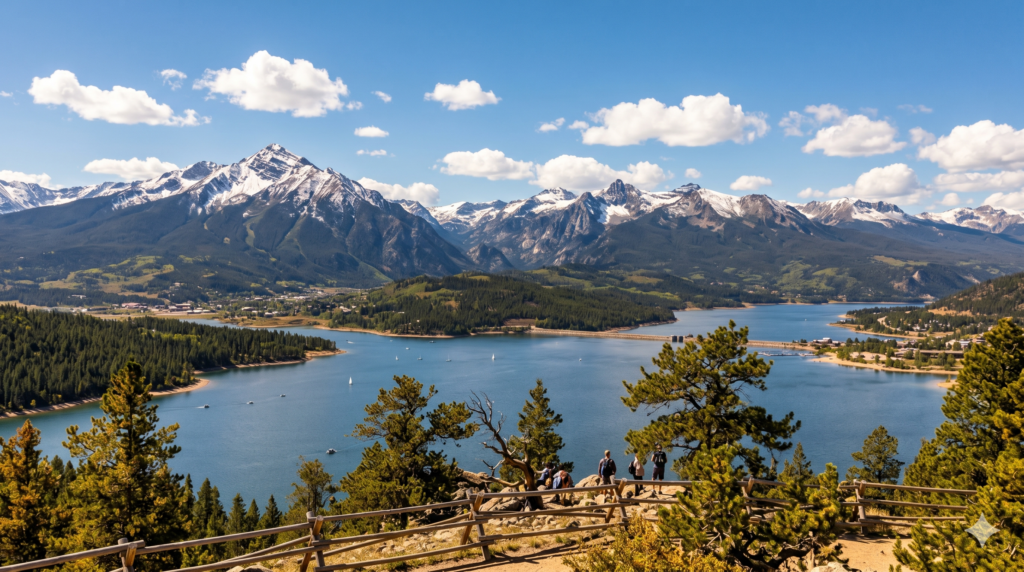
Dillon Colorado’s future shines bright with modern housing opportunities designed for those who dream of waking up to panoramic Rocky Mountain views. The community’s growth represents more than construction—it’s about creating spaces where families and adventurers can truly thrive in Dillon Colorado’s spectacular setting.
Hey there, fellow Colorado enthusiasts! Have you ever paused to think about what makes our beloved state so incredibly special? It’s not just the majestic peaks or the endless blue skies, though those certainly help! It’s the vibrant, dynamic energy of our communities, always growing, evolving, and finding new ways to welcome everyone into the magic of mountain living. And speaking of exciting evolutions, let’s chat about Dillon!
Dillon, nestled perfectly in the heart of Summit County, is a gem that truly embodies the Colorado spirit. With its stunning reservoir views, a charming downtown, and unparalleled access to outdoor adventures, it’s no wonder so many folks dream of calling this place home. And guess what? That dream is becoming even more accessible thanks to some wonderful new developments on the horizon!
The Buzz About Building in Dillon Colorado Communities
Colorado is a destination, a lifestyle, and for many, a dream. Our population continues to grow, drawn by the promise of sunshine, adventure, and a fantastic quality of life. This means our communities are continually adapting and expanding to meet the needs of new residents. It’s an exciting time, full of fresh ideas and innovative projects designed to enhance our towns and provide more opportunities for people to put down roots right here in paradise.
When new housing developments come to life, it’s not just about bricks and mortar; it’s about building dreams, fostering community, and creating spaces where memories are made. Imagine waking up to a panoramic view of the Rockies, stepping out your door onto a pristine trail, or simply enjoying a cup of coffee on your balcony as the mountain air invigorates your spirit. That’s the vision behind these exciting new chapters in towns like Dillon.
Dillon’s Sparkling Horizon: A Place to Call Home
For years, Dillon has charmed locals and visitors alike with its unique blend of small-town feel and big-adventure access. From sailing on the Dillon Reservoir to exploring the myriad trails that crisscross the county, there’s never a dull moment. Now, the town is embracing a fantastic new chapter, with plans for a significant housing development on a key site within the community. This isn’t just about adding homes; it’s about enriching the fabric of Dillon, bringing more families and individuals closer to the lifestyle they cherish.
These new residential opportunities are designed with modern mountain living in mind. Think energy-efficient designs, thoughtful community spaces, and architecture that harmonizes beautifully with the surrounding natural landscape. It’s about creating not just houses, but homes that truly feel like they belong here, offering comfort and convenience after a day of shredding the slopes or conquering a mountain bike trail.
Embracing the Best of Dillon Colorado Mountain Life
Living in Dillon means having a world of adventure right at your fingertips. Picture this: during the warmer months, you can spend your days paddleboarding on the glassy waters of the Dillon Reservoir, taking a scenic boat tour, or even trying your hand at fishing. The marina itself is a hub of activity, offering boat rentals, concerts, and festivals that make summer truly unforgettable. Come winter, you’re just a short drive from some of the world’s best ski resorts, like Breckenridge and Keystone, where fresh powder and exhilarating runs await!
But it’s not just about the big adventures. Dillon also offers a wonderfully laid-back charm. Stroll along the waterfront, enjoy a delicious meal at a local eatery, or grab a craft brew at a place like Pug Ryan’s Brewery, where the friendly atmosphere is as refreshing as their beer. These new housing developments are set to integrate seamlessly into this vibrant community, offering residents the perfect blend of peaceful living and exciting social opportunities.
Connecting with Nature, Every Single Day
One of the biggest draws of living in Summit County is the unparalleled access to nature. The Summit County Open Space and Trails network is a treasure, offering hundreds of miles of trails for hiking, biking, snowshoeing, and cross-country skiing. Imagine having these incredible natural playgrounds practically in your backyard! New developments are often planned with this in mind, ensuring residents can easily step out their door and immerse themselves in the pristine beauty of the Rockies. It’s a lifestyle that rejuvenates the soul and keeps you connected to the earth.
These new homes aren’t just a place to sleep; they’re a launchpad for your Colorado adventures. They represent an opportunity to live in a community that values outdoor recreation, sustainability, and a high quality of life. It’s about building a future where more people can experience the joy and wonder of living amidst some of the most breathtaking scenery on Earth.
The Future is Bright in Dillon Colorado!
Colorado’s appeal is undeniable, and our communities are rising to the occasion, creating more fantastic places for people to thrive. The exciting developments in Dillon are a perfect example of this forward-thinking spirit. They symbolize growth, opportunity, and the enduring allure of mountain living. It’s about ensuring that as more people fall in love with Colorado, there are beautiful, welcoming spaces for them to call their own.
So, whether you’re a long-time local or dreaming of making the move to the Centennial State, keep your eyes on Dillon! Its future is looking incredibly vibrant, offering new chances to embrace the unique, exhilarating, and absolutely amazing lifestyle that we are all so lucky to enjoy here in Colorado. Get ready to explore, connect, and thrive in one of the most beautiful places on the planet!
Source: Summit Daily
Related reading: Breckenridge mountain living · Dillon’s summer music festival · Colorado mountain life
Embrace the Magic: Your Colorado Weekend Adventure Begins Now!
Ah, the weekend! It’s that glorious time when the Rocky Mountain air practically vibrates with possibility, inviting us all to step out and truly live the Colorado dream. Whether you’re a long-time local or just falling head over heels for our incredible state, there’s an undeniable buzz in the air. This weekend, we’re all about soaking up every last ray of sunshine, making memories, and diving headfirst into the endless fun that Colorado so generously offers. Forget the to-do list for a moment, friend, and let’s talk about the *fun* list!
From the majestic peaks that kiss the sky to the charming streets bustling with vibrant energy, Colorado is a playground just waiting to be explored. We believe every weekend here is a gift, a chance to reconnect with nature, savor delicious local flavors, groove to live music, and just generally revel in the joy of being alive in such a spectacular place. So, grab your water bottle, your adventurous spirit, and maybe a buddy or two – it’s time to discover your next favorite Colorado moment!
The Great Outdoors Awaits: Nature’s Playground is Calling!
When you live in Colorado, the outdoors isn’t just a place; it’s a way of life! And this weekend, the mountains, trails, and sparkling waters are practically singing your name. Imagine starting your Saturday morning with a brisk hike through a sun-dappled canyon, breathing in that crisp, clean air. Whether you’re conquering a Fourteener (go you!) or enjoying a leisurely stroll along a gentle creek, the sense of accomplishment and natural beauty is unparalleled. Our state parks are bursting with incredible trails for all levels, offering everything from stunning panoramic views to serene forest paths perfect for quiet contemplation.
Feeling the need for some water therapy? Head to one of Colorado’s many pristine reservoirs or rivers for paddleboarding, kayaking, or even a refreshing dip. Imagine gliding across the glassy surface of a mountain lake, the only sound the gentle dip of your paddle. Many local areas also host fantastic outdoor yoga sessions or guided nature walks, offering a different way to connect with our breathtaking landscapes. Don’t forget to pack a picnic filled with local goodies – dining al fresco amidst such splendor is a quintessential Colorado experience! Check out Colorado.com for inspiration on your next outdoor escape.
Savoring the Flavors of the Rockies: A Culinary Journey!
Colorado’s food and drink scene is as diverse and exciting as its landscapes! This weekend, treat your taste buds to an adventure of their own. Summer in Colorado means farm-to-table dining is at its absolute peak. Wander through a vibrant local farmers market, chatting with growers and picking up the freshest produce, artisanal cheeses, and homemade treats. Many markets also feature live music and food trucks, turning your shopping trip into a full-blown community celebration!
When the sun starts to dip, the patios come alive! There’s nothing quite like sipping a craft brew or a creative cocktail on a rooftop patio, soaking in the mountain views as the sky turns brilliant shades of orange and purple. Our state is renowned for its incredible craft breweries, and many offer weekend tours and tastings – a perfect way to discover your new favorite brew. Keep an eye out for local food festivals, too! These joyous gatherings often celebrate everything from juicy peaches to fiery chilies, offering a delicious way to experience Colorado’s agricultural bounty. For a taste of what’s local, explore your local farmers market listings.
Immerse Yourself in Arts & Culture: Creativity Around Every Corner!
Beyond the peaks, Colorado boasts a rich tapestry of arts and culture, and this weekend is ripe for exploring it! From impromptu street performances to grand gallery openings, there’s always something to spark your imagination. Many communities host lively art walks on weekend evenings, where you can stroll through local galleries, meet talented artists, and maybe even find that perfect piece to bring home. Outdoor concerts and festivals are a summer staple, filling the air with melodies ranging from bluegrass to indie rock.
Imagine settling down under a canopy of stars for an outdoor movie night or catching a live theater performance in a scenic park – truly magical! Check out local cultural centers or community calendars for unique workshops or exhibitions happening near you. Whether you’re into classical music, contemporary art, or engaging historical exhibits, Colorado’s cultural scene offers a welcoming embrace. These events are fantastic ways to connect with your community and experience the vibrant heartbeat of our state’s creative spirit.
Family Fun & Friendly Faces: Adventures for All Ages!
Colorado is a fantastic place for families, and this weekend is no exception! There are countless opportunities to create cherished memories with the little ones. Many local parks feature amazing playgrounds, splash pads, and open spaces perfect for a game of frisbee or a family picnic. Explore a nature center, where kids can learn about local wildlife and ecosystems through interactive exhibits and guided activities.
Consider a trip to one of our fantastic children’s museums or science centers, where learning is disguised as pure, unadulterated fun! Many communities also host special family-friendly events, from outdoor movie nights to story time in the park. And for a truly unique experience, how about a scenic train ride through the mountains? The wonder on a child’s face as they gaze at the towering peaks is truly priceless. Every Colorado weekend offers a chance for families to bond, laugh, and grow together, making every moment an adventure. Find family-friendly park events at your local city’s Parks & Recreation website.
Recharge & Rejuvenate, Colorado Style: Finding Your Zen
While Colorado is all about adventure, it’s also a sanctuary for wellness and rejuvenation. This weekend, carve out some time to simply breathe and recharge. Perhaps it’s a quiet morning with a good book and a cup of local coffee on your porch, gazing at the mountains. Or maybe it’s a leisurely scenic drive, discovering new overlooks and hidden gems that offer breathtaking views and a moment of peaceful reflection.
Consider treating yourself to a spa day, embracing the calming power of a massage or a soak in a mineral hot spring. Many mountain towns offer incredible wellness retreats and yoga studios where you can stretch, strengthen, and find your inner calm. As night falls, step outside and gaze at our incredibly starry skies – far from city lights, the cosmos truly put on a show! Taking these moments for self-care allows you to fully appreciate the beauty around you and ensures you’re ready for all the amazing adventures Colorado has in store. Explore some unique wellness destinations and activities through a general search for Colorado wellness retreats.
Making the Most of Your Lucky Colorado Lifestyle!
Every weekend in Colorado is an invitation to live your best life, full of sunshine, adventure, and genuine connection. So go ahead, chase that mountain high, savor that locally brewed pint, dance to that live band, and simply revel in the joy of being here. We’re truly lucky to live in a place where every turn offers a new discovery, every vista inspires, and every weekend is packed with potential for pure, unadulterated fun!
Here’s to a weekend filled with laughter, new experiences, and all the wonderful things that make our Colorado lifestyle so incredibly special. Get out there and make some magic!
Source: 303 Magazine

