Mark your calendars: January 21–31, 2027, the Sundance Film Festival Boulder makes its Colorado debut, and it’s landing right in our backyard. After more than four decades in Park City, the festival founded by Robert Redford is putting down new roots in Boulder — and honestly, if you needed one more reason to feel lucky about where you live, this is it.
Sundance Film Festival Boulder: The Basics on What’s Happening and When
The Sundance Film Festival Boulder world premieres run January 21–26, with additional screenings continuing through the full run of the festival. The signature Festival gala lands on Friday, January 22, and jury and audience awards will be announced Friday, January 29.
Can’t make it in person? At-home online screenings run January 28–31, covering all five competition sections plus NEXT — with early access for press and industry starting January 27.
Where It’s All Happening
One of the best parts for locals: the entire festival footprint sits within about a two-mile radius, almost all of it walkable. The lineup of venues reads like a love letter to Boulder itself:
- Macky Auditorium and the Roe Green Theatre, on the CU Boulder campus near historic Old Main
- Boulder High School (BHS), a short walk from campus
- Pearl Street Mall, ground zero for restaurants and shopping between screenings
- Hotel Boulderado, serving as Festival Headquarters
- Boulder Theater, eTown Hall, and Canyon Theater, all clustered nearby
- Casey Middle School, a few blocks north
- Chautauqua Auditorium, about a mile away at the base of the Flatirons
- Dairy Arts Center and Cinemark Century (the press and industry screening hub)
If you’ve lived here a while, that list basically doubles as a map of everywhere you already love to be.
A Bigger Festival, Right at Home
The 2027 Sundance Film Festival Boulder isn’t a scaled-down version of the original — it’s an expanded one. The four core competition categories (U.S. Dramatic, World Cinema Dramatic, U.S. Documentary, World Cinema Documentary) are growing from 12 films each, and sections like Premieres, NEXT, Midnight, and Family Matinee are all getting bigger too. New Frontier, the festival’s experimental art-and-tech program, is also returning after a two-year pause — fitting, given Boulder’s own reputation for innovation.
There’s international prestige attached as well: the International Federation of Film Critics (FIPRESCI) is joining for the first time, and the Academy of Motion Picture Arts and Sciences has made Sundance an Oscar-qualifying festival for World Cinema Grand Jury Prize winners in both documentary and dramatic categories.
Getting Around Is Easy (Yes, Really)
If you’ve ever bragged to an out-of-town friend about how walkable and bike-friendly Boulder is, this is your moment. Between walking, scooters, e-bikes, and the local bus system — with regional routes connecting straight into Denver and DIA — getting festival-goers around town is about as low-stress as it gets. Over 30 direct international flight routes into Denver in January mean the world is genuinely just a short trip away.
And with more than 100 locally owned restaurants in the heart of Boulder (400 across the city), from grab-and-go to Michelin-starred, feeding a few hundred thousand extra visitors won’t be a problem — it’ll be a highlight.
Want to Be Part of It?
The festival is looking for over 2,000 volunteers, with applications opening August 31, 2026. Whether you want a front-row seat to the action or just love this town enough to help show it off, this is a genuinely easy way to get involved.
Why This Matters Beyond the Red Carpet
Big cultural events like Sundance don’t just bring star sightings — they bring sustained visibility, tourism dollars, and a steady drumbeat of “wait, people actually live there?” curiosity from folks who’ve never considered Colorado. For those of us already here, it’s validation of something we’ve known all along: Boulder isn’t just beautiful and outdoorsy, it’s a place serious culture wants to call home too — and a reminder of where it stands among Colorado’s thriving mountain towns.
We’ll be covering venue guides, lodging tips, and local recommendations as the 2027 Sundance Film Festival Boulder gets closer. For more on Boulder’s cultural scene and Colorado’s premier arts events, explore our complete guide to living Colorado’s vibrant cultural lifestyle. Until then — welcome to Boulder, Sundance. We’re glad you’re here.
Details on Festival passes, ticket packages, and the full 2027 lineup are expected in the coming months. Check sundance.org for updates as they’re announced.
Silverthorne Art Stroll: Soaking Up the Best of Summer!
The Silverthorne Art Stroll is a highlight of every Silverthorne summer! Fellow Colorado adventurers, when the endless blue skies, sun-drenched trails, and vibrant outdoor festivals roll in, Silverthorne’s beloved Sunday Art Strolls turn the town into an open-air gallery. This isn’t just an event; it’s a vibrant celebration of creativity, community, and the sheer joy of living in our incredible state.
Picture this: the crisp mountain air, the majestic Rockies standing guard, and a lively promenade buzzing with the energy of over 35 incredible pop-up artists and talented musicians. That’s the scene at every Silverthorne Art Stroll, and trust us, it’s an experience you won’t want to miss. It’s a perfect opportunity to soak in the best of summer fun while immersing yourself in the incredible artistic talent that thrives in our mountain towns.
1. 35+ Pop-Up Artists at Every Silverthorne Art Stroll
Silverthorne has truly blossomed into a dynamic cultural hub, and the Silverthorne Art Stroll has become a highlight of the summer calendar. These aren’t your average art shows; they’re lively, interactive experiences where you can wander, discover, and connect. Imagine strolling along, a delicious local coffee or treat in hand, as you encounter a dazzling array of artistic expressions. From breathtaking landscape paintings that capture the very essence of Colorado’s beauty to intricate handcrafted jewelry, unique sculptures, vibrant textiles, and so much more – there’s something to captivate every eye and spark every imagination.
2. Meet the Makers Face-to-Face
What makes these strolls truly special is the chance to meet the artists themselves. These are our neighbors, our friends, the brilliant minds behind the beautiful creations. They’re often right there, eager to share their inspirations, their techniques, and the stories woven into their work. It’s an intimate connection you just don’t get in a traditional gallery setting, and it truly enriches the experience.
Supporting these local artisans means bringing home not just a piece of art, but a piece of passion and a tangible memory of your Colorado adventure. You can find more details on Silverthorne’s vibrant arts scene and upcoming events on their official Arts and Culture page. For a deeper look at how the town blends creativity with the outdoors year-round, see our guide to Summer in Silverthorne: Where Art Meets Alpine Adventure.
3. Live Music Along the Promenade
But the visual feast is only half the magic! The air will be alive with the sounds of live music, adding another layer of joy and atmosphere to your stroll. Local musicians, with their soulful melodies and toe-tapping rhythms, transform the promenade into an open-air concert hall. It’s the perfect soundtrack for a leisurely afternoon, creating an ambiance that’s uniquely Colorado – relaxed, inspiring, and full of good vibes. Imagine finding your new favorite song while discovering your new favorite artist!
4. A Summit County Backdrop
And let’s not forget the backdrop! Silverthorne, nestled amidst the stunning peaks of Summit County, provides an unparalleled setting for an outdoor art event. The natural beauty of our mountains enhances every brushstroke and every note, reminding us just how lucky we are to call this place home. The vibrant colors of the art seem to pop even more against the lush greens and dramatic blues of the surrounding landscape. It’s a feast for all your senses!
5. Pair It With a Hike or the Blue River Recpath
We always encourage making the most of your Colorado adventures, and the Silverthorne Art Stroll is the perfect centerpiece for a fantastic day in town. Why not start your morning with a scenic hike on one of the many incredible trails nearby? Or perhaps a leisurely bike ride along the Blue River Recpath?
6. Local Eats and Craft Beer
After soaking up all that artistic inspiration, you’ll undoubtedly work up an appetite. Silverthorne boasts a fantastic array of eateries, from cozy cafes perfect for a quick bite to charming restaurants offering delicious meals, and even craft breweries where you can savor a local brew. We highly recommend checking out places like Angry James Brewery for a refreshing local craft beer after your cultural immersion!
This mountain gem is known for its friendly atmosphere and growing number of attractions, making it an ideal destination for a spontaneous day trip or a delightful weekend getaway. You can explore more of what Summit County has to offer for your next adventure by visiting Colorado.com’s Silverthorne guide, or browse our own roundup of Silverthorne First Friday events for even more ways to fill your weekend.
7. The Colorado Community Spirit
Events like the Silverthorne Art Stroll are more than just local gatherings; they are vibrant expressions of the Colorado spirit. They celebrate creativity, foster community connections, and invite us all to slow down, appreciate beauty, and enjoy the simple pleasures of life in our stunning state. They remind us why we’re so “Lucky To Live In Colorado” – where art thrives in the mountains, and every season brings new opportunities for fun and discovery.
So, gather your friends and family, throw on your comfiest strolling shoes, and plan a Sunday at the next Silverthorne Art Stroll for an unforgettable afternoon. Let’s celebrate the incredible artists and musicians who make our community so wonderfully rich. We can’t wait to see you there, soaking up the magic!
Source: Summit Daily
Learning to ski in Colorado starts with a feeling: that crisp, cool air, the promise of fluffy white blankets coating our majestic peaks, the scent of pine and adventure lingering on the breeze. Winter is knocking on our door, and for those of us lucky enough to live in Colorado, that means one glorious thing: ski and snowboard season is almost here! We’re not just talking about another season; we’re talking about a celebration of joy, fresh air, and the incredible spirit of our mountain communities.
There’s a special kind of magic that settles over Colorado when the snow flies. The world slows down just a touch, the landscapes transform into breathtaking postcards, and our mountains call to us with an irresistible allure. Whether you’re a seasoned powder hound or you’ve always dreamed of strapping on skis or a board for the very first time, Colorado is *the* place to be. And guess what? Our fantastic resorts are constantly evolving to make sure that magic is accessible and absolutely thrilling for everyone, especially those just starting their snowy journey!
The Heartbeat of Our Mountains: Learning to Ski in Colorado Starts Here
You know, Colorado ski resorts aren’t just patches of snow with lifts. They are vibrant ecosystems, buzzing with energy, laughter, and the shared excitement of mountain life. They’re where friendships are forged, families make lifelong memories, and the stresses of daily life melt away faster than a snowflake in the sunshine. And at the heart of it all is a profound commitment to hospitality and creating an unparalleled experience for every single guest. Curious which mountain towns are leading this charge? Check out our roundup of Colorado’s most thriving mountain towns.
This commitment means that our resorts are always looking for ways to get better, to innovate, and to make sure that whether you’re five or seventy-five, a never-ever or a black diamond expert, you feel right at home. We’re talking about world-class ski schools staffed by the most patient and encouraging instructors, dedicated learning zones that feel safe and fun, and continuously updated infrastructure designed to make your journey from novice to enthusiast as smooth as freshly groomed corduroy.
Learning to Ski in Colorado: A Gentle Start to a Lifelong Passion
Imagine this: you’re standing at the top of a wide, gentle slope, the sun warming your face, and a friendly instructor by your side, guiding you through the first turns. The fear melts away, replaced by an exhilarating sense of accomplishment. That’s what learning to ski in Colorado feels like! Our resorts excel at cultivating the perfect environment for new skiers and snowboarders to thrive. Think spacious, uncrowded learning areas, often serviced by slow, easy-to-load lifts that build confidence with every ride. These aren’t just ‘bunny hills’; they’re launching pads for a lifelong love affair with winter sports.
It’s all about creating those first positive memories. The joy of linking a few turns, the thrill of gliding smoothly, the pride of navigating a gentle descent – these are the moments that hook you forever. Colorado’s dedication to providing top-notch beginner terrain and instruction ensures that every first timer gets the best possible start, transforming curiosity into genuine passion.
Beyond the Bunny Hill: The Full Colorado Experience
Once you’ve found your feet (or board!), Colorado’s mountains unfold into a playground of endless possibilities. Our resorts offer a natural progression of terrain, from mellow cruisers to exhilarating blue runs, allowing you to challenge yourself at your own pace. Hooked already? Some Coloradans take it all the way to ski-in/ski-out living. But the Colorado winter experience extends far beyond just skiing and riding.
Think cozy après-ski gatherings by a roaring fire, live music filling mountain towns, delicious dining experiences ranging from quick grab-and-go bites to gourmet meals, and charming boutiques filled with unique finds. There’s tubing, snowshoeing, ice skating, sleigh rides, and so much more waiting to be discovered. It’s a holistic adventure that engages all your senses and truly embodies the spirit of fun living that we cherish here in Colorado.
The Magic of Mountain Modernization
One of the things that makes learning to ski in Colorado so special is our constant pursuit of excellence. Our ski resorts are always investing in the latest innovations to enhance the guest experience. We’re talking about state-of-the-art snowmaking capabilities that ensure fantastic conditions even when Mother Nature needs a little help, cutting-edge lift technology that makes getting up the mountain quicker and more comfortable, and continually improved facilities that cater to your every need.
These thoughtful upgrades are all designed with you in mind. They make it easier to access more terrain, reduce wait times, and improve safety, all contributing to that seamless, joyful mountain day we all crave. It’s a testament to the fact that in Colorado, we don’t just love our mountains; we continuously strive to make them the best they can be for everyone who visits. To learn more about what makes Colorado skiing so special, check out Colorado Ski Country USA!
Why Learning to Ski in Colorado Beats Anywhere Else
So, why is Colorado the ultimate destination for your winter sports debut or continuation? It’s a blend of factors that create an unbeatable package:
- Abundant Sunshine: We boast over 300 days of sunshine a year! Even on a snowy day, the sun often peeks through, brightening the slopes and lifting spirits.
- World-Class Snow: Our high altitude means dry, light, fluffy powder – the stuff dreams are made of, and perfect for soft landings when you’re learning!
- Incredible Scenery: Every turn offers a new, postcard-perfect view of towering peaks, evergreen forests, and vast, snowy valleys. It’s truly breathtaking.
- Friendly, Welcoming Vibe: From your instructors to the lift operators to your fellow skiers, there’s a genuine camaraderie and helpfulness that makes everyone feel welcome.
It’s about the entire community coming together to celebrate winter. Gather your crew, pack your warmest layers, and get ready to create some truly unforgettable moments. You can find more information about planning your Colorado adventure at Colorado.com.
Planning Your Perfect Powder Day (or First Day!)
Ready to start learning to ski in Colorado? Here are 5 friendly tips:
- Book Lessons: Seriously, this is the best investment you can make! A good instructor will build your confidence and teach you proper technique quickly.
- Dress in Layers: Colorado weather can change, so be prepared with waterproof outer layers and plenty of warmth underneath.
- Rent Gear Locally: Our rental shops offer expert fitting and the latest equipment, ensuring comfort and safety. Many places like Christy Sports have convenient locations all over Colorado.
- Stay Hydrated & Sun-Protected: High altitude and reflection from snow mean you need extra water and sunscreen!
- Pick a Weekday for Day One: Midweek slopes are quieter, lift lines are shorter, and lesson groups are often smaller, which makes learning to ski in Colorado far less intimidating.
Don’t wait another season! This is your year to start learning to ski in Colorado and embrace the exhilarating world of Colorado skiing and snowboarding. The mountains are calling, and they’re ready to welcome you with open arms and perfectly groomed beginner slopes. You can even check out local events and festivals happening in our mountain towns to round out your trip on Colorado.com’s events page!
So, come on up, breathe that fresh mountain air, and discover why we’re all so lucky to live in Colorado. See you on the slopes!
Inspired by advancements in ski resort infrastructure, as highlighted by Snowbrains.
Colorado skiing transforms winter into an unforgettable playground where mountain magic comes alive. Whether you're mastering your first Colorado skiing runs or chasing deep powder through legendary resorts, the experience goes far beyond equipment—it's about finding your rhythm on world-class slopes. From carving pristine corduroy to exploring backcountry terrain, Colorado skiing delivers breathtaking adventures that define our mountain lifestyle and create memories that last forever.
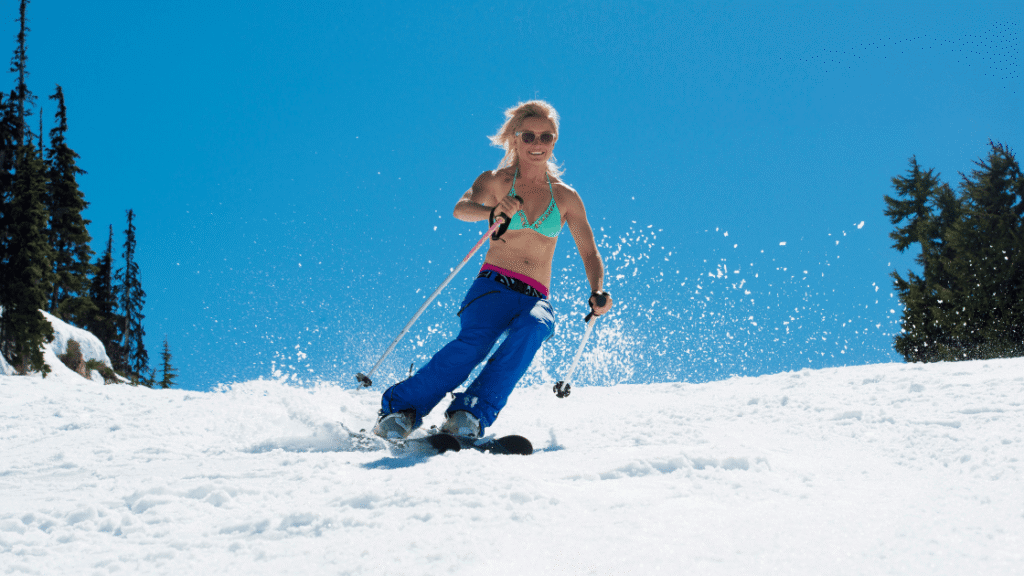
Oh, Colorado winters! There's just something magical in the air the moment those first snowflakes start to dance. As a local, my heart practically skips a beat as the anticipation builds for another incredible season on the slopes. It's not just about the snow; it's about the entire experience—the crisp mountain air, the camaraderie, the breathtaking views, and that unparalleled feeling of gliding down a pristine, snow-covered peak. Here in Colorado, our passion for winter sports isn't just a hobby; it's a vibrant part of our lifestyle, a celebration of the incredible outdoor playground we call home.
Discovering Your Unique Colorado Skiing Style
Walk into any lodge or hit any lift line across our spectacular resorts, and you'll immediately sense the incredible diversity of how people enjoy the snow. From the seasoned pros carving steep lines to the joyful beginners mastering their first turns, everyone has their own rhythm and preferred way to play. And guess what? A huge part of that personal expression comes from the gear we choose! It's not just about getting down the mountain; it's about how you feel doing it, the confidence it inspires, and the sheer fun it adds to your day.
Carving Up the Corduroy
For some of us, there's nothing quite like the feeling of laying down perfect arcs on freshly groomed corduroy. It's a symphony of precision and speed, where your edges sing and the world blurs in a thrilling, exhilarating dance. If this sounds like your kind of bliss, you might gravitate towards skis designed for stability and responsiveness, allowing you to truly 'feel' the snow and command every turn. Think of the joy of an early morning run, the sun just kissing the peaks, and you're the first to leave your mark on the smooth canvas. It's pure, unadulterated bliss!
Chasing Powder Dreams
Then there are the powder hounds! Oh, the thrill of a big snow day in Colorado! Waking up to a foot (or two, or three!) of fresh, light, fluffy snow is like Christmas morning for many of us. For these magical days, wide, floaty skis or snowboards become your best friends, allowing you to surf through the deep stuff with an effortlessness that feels like flying. There's truly nothing quite like the sensation of powder spraying over your face as you carve through untouched bowls, leaving a rooster tail in your wake. Our Colorado dry, abundant snow is legendary for a reason, making those powder days truly epic!
Park Laps and Playful Tricks
For those who see the mountain as their canvas for creativity and acrobatics, the terrain parks and natural features offer endless opportunities for fun. Whether you're hitting jumps, grinding rails, or catching air off natural rollers, playful twin-tip skis or flexible snowboards are often the key to unlocking these gravity-defying adventures. It's all about agility, balance, and expressing yourself with flips, spins, and grabs. The energy in the park is always infectious, a vibrant hub of innovation and shared stoke.
Colorado Skiing Gear: More Than Equipment
When you spend enough time exploring Colorado's magnificent mountains, your gear stops being just 'stuff' and starts feeling like an extension of your own body, a trusted companion on countless adventures. It's a personal relationship built on shared experiences and unforgettable moments.
The Feel of the Ride
Think about it: the boots that hug your feet just right, the bindings that connect you seamlessly to your board or skis, the skis that turn exactly when you want them to, or the snowboard that floats effortlessly through fresh snow. This connection means you can stop thinking about the gear and just focus on the incredible experience of being outdoors in our stunning Rockies. Choosing gear that resonates with your style and skill level is like finding the perfect dance partner – it just makes everything flow better!
Comfort and Confidence on Every Descent
Beyond the performance, there's the comfort factor. A warm, dry, and comfortable setup can literally make or break a day on the mountain. From breathable outerwear to goggles that provide crystal-clear vision, every piece plays a role in keeping you happy and confident from first chair to last run. Investing in good quality gear means more smiles, more laps, and ultimately, more unforgettable memories in Colorado's winter wonderland. Many locals swear by getting their gear dialed in at a place like Christy Sports, where the experts can help you find that perfect fit.
The Thriving Colorado Skiing Community
One of the absolute best parts of living in Colorado and embracing the snow lifestyle is the incredible community. It's a shared love that transcends age, background, and even skill level. You'll find this vibrant spirit everywhere, from the bustling base areas of our world-class resorts like Breckenridge Ski Resort to the cozy après-ski spots.
From First Chair to Last Call
The day often begins with friendly greetings in the lift line, sharing tips about the best runs or recent snowfalls. Everyone's buzzing with anticipation, eager to make the most of the day. As the day winds down, the mountain magic continues off the slopes. Après-ski in Colorado is an art form! Imagine gathering with friends, new and old, to recount the day's adventures over a craft brew or a delicious meal, the setting sun painting the peaks in hues of orange and pink. It's the perfect way to cap off an epic day, sharing stories and laughter. Places like Odell Brewing Co. are fantastic for post-slope celebrations.
Sharing the Stoke
Whether you're hitting the slopes with your long-time crew or making new friends on a chairlift, the bond formed over a shared love for winter sports is truly special. There's an undeniable sense of camaraderie, a collective 'stoke' that makes every day feel like a celebration. Our mountains are truly a melting pot of enthusiasts, all connected by the joy of sliding on snow. With passes like the Epic Pass, accessing a variety of our incredible resorts has never been easier, fostering even more opportunities for connection and adventure across the state.
Planning Your Perfect Colorado Skiing Adventure
So, whether you're a seasoned local who lives for those bluebird powder days or you're planning your very first Colorado ski vacation, remember that the experience is yours to craft. Our mountains offer something for absolutely everyone, and the right gear simply enhances the incredible journey. It allows you to express your style, push your limits, or simply enjoy the serene beauty of a quiet glide through a snowy glade.
Colorado truly is a winter paradise, a place where the mountains call to your adventurous spirit and every day promises new thrills and joyful memories. So, gear up, get out there, and let the magic of a Colorado winter sweep you off your feet. You're lucky to live in (or visit!) a place where adventure is always just around the corner!
Source: Snowbrains
Related reading: winter wonderland adventures · terrain park thrills · perfect adventure gear
Oh, Colorado! Just when you think our glorious summer couldn’t get any better, or perhaps, as we all start to secretly wish it could last just a *little* longer, Keystone Resort swoops in with some of the most delightful news for Keystone summer concerts! They’re turning up the volume on those beautiful mountain vibes, extending their beloved free Summer Afternoon Club concert series. That’s right, more chances to bask in the golden sunshine, tap your toes to fantastic live music, and soak up every single ounce of that magical mountain air!
Squeeze Every Drop of Sunshine (and Song!) Out of Summer!
It’s no secret that we Coloradans know how to make the most of every season, and summer? Well, that’s practically our masterpiece! From exhilarating hikes to serene lake days, we fill our calendars with unforgettable moments. And now, thanks to Keystone Resort, we have even more reasons to celebrate the final, fabulous stretches of our sun-kissed season. Imagine this: the crisp, clean mountain air, the towering peaks painting a majestic backdrop, and the sweet sounds of live music drifting through the valley. Pure bliss, right?
The Summer Afternoon Club concerts at Keystone have quickly become a staple for locals and visitors alike. What’s not to love about a free concert, especially when it’s nestled in one of Colorado’s most picturesque settings? These aren’t just any concerts; they’re an experience. They’re about community, about sharing joy, and about letting the rhythm move you as you unwind from a day of adventure. Whether you’re a long-time fan or just discovering the magic, these upcoming dates are an absolute must-add to your calendar. Forget your worries, grab a refreshing drink, and let the good times roll!
The beauty of these events lies in their accessibility and charm. You don’t need a fancy ticket; you just need to show up with an open heart and a readiness to have fun. Picture families sprawling on blankets, friends laughing over picnic baskets, and couples swaying gently to the music. It’s a scene right out of a postcard, but it’s *our* reality here in Lucky To Live In Colorado. These concerts offer a diverse lineup, ensuring there’s something for every musical palate, from soulful melodies to upbeat, get-on-your-feet jams. Every note played under the vast Colorado sky feels like a personal serenade just for you.
Keystone’s Vibe: More Than Just Tunes
Your Mountain Playground Awaits
While the music is certainly a huge draw, a trip to Keystone is always an adventure in itself. Before or after you settle in for the concert, why not explore everything this incredible resort has to offer? Imagine hitting the scenic bike trails that wind through aspen groves, or taking a leisurely gondola ride up Dercum Mountain for breathtaking panoramic views that stretch for miles. The air up there is just invigorating! For those who love to stretch their legs on a trail, Summit County also offers an abundance of incredible hiking opportunities, perfect for all skill levels. You can find more information about exploring our beautiful trails here: Colorado Hiking Adventures.
Keystone isn’t just a place; it’s a feeling. It’s where outdoor passion meets laid-back luxury. You can easily spend an entire day here, soaking up the sunshine and making memories. Grab a delicious lunch at one of the charming village eateries, browse the unique shops for a special Colorado souvenir, or simply find a cozy spot by the river to watch the world go by. It’s all part of the unique fabric that makes Keystone such a gem. Don’t forget to check out all the amazing summer activities Keystone has planned at their official website: Keystone Resort Summer Activities. There’s a world of fun waiting for you!
Melodies in the Mountains: Why You Can’t Miss This
There’s something profoundly special about live music echoing through the natural acoustics of the mountains. It’s an experience that truly connects you with both the artists and the stunning environment around you. The sound takes on a different quality, a richer resonance, as it bounces off the peaks and dances through the pines. It’s a sensory feast! You’ll feel the bass thump in your chest, hear the crisp notes of a guitar, and truly connect with the raw talent on stage. Plus, nothing beats the camaraderie of sharing such an authentic, joyful moment with fellow music lovers.
These concerts are designed for pure enjoyment. Pack a picnic basket full of your favorite Colorado goodies, bring a comfy blanket or some portable chairs, and settle in for an afternoon of pure relaxation and entertainment. Maybe even bring a frisbee for a pre-concert toss! It’s the perfect opportunity to unplug from the everyday hustle and simply *be*. Let the music wash over you, let the mountain air refresh your spirit, and let the smiles of those around you remind you of the simple, beautiful pleasures of life.
And let’s be honest, free events of this caliber are a true gift! It’s a testament to the vibrant community spirit that thrives in places like Keystone. They want everyone to experience the joy, the connection, and the sheer fun of summer in the Rockies. So, mark your calendars and prepare for an afternoon (or four!) of unforgettable melodies against a backdrop that only Colorado can provide.
Beyond the Beat: Exploring Summit County’s Charms
A Gateway to Adventure and Flavor
While Keystone will be your musical hub for these fantastic afternoons, remember that it’s nestled in the heart of breathtaking Summit County, a true playground for anyone who loves the outdoors. This region is brimming with charming mountain towns, each with its own unique flavor and array of attractions. From the historic streets of Breckenridge to the beautiful shores of Dillon Reservoir, there’s always more to explore. Why not make a full weekend out of it?
After a glorious concert, you could explore the vibrant culinary scene. Summit County boasts an incredible array of dining options, from cozy cafes perfect for a morning coffee to upscale restaurants offering gourmet delights. And for our craft beer enthusiasts, you’re in luck! Colorado is famous for its breweries, and Summit County proudly contributes to that legacy with several fantastic spots where you can sample unique local brews. Check out some of Colorado’s best breweries to pair with your mountain adventures: Colorado Brewer’s Guild. Imagine capping off a day of music and mountain air with a delicious meal and a perfectly crafted pint – now that’s living the Colorado dream!
Consider extending your stay and diving into some of the other fantastic activities. You could rent a stand-up paddleboard or kayak on Lake Dillon, explore the quaint shops in Frisco, or embark on a stunning scenic drive along Loveland Pass. Every corner of Summit County holds a new adventure, a new vista, or a new taste sensation just waiting to be discovered. These concert days are the perfect excuse to plan a longer getaway and truly immerse yourself in the magic of the Rockies. Discover more about what this stunning region offers by exploring the official Colorado Tourism site: Explore Summit County, Colorado.
Making Memories, Colorado Style
Life is about collecting moments, not things, and these free concerts at Keystone are prime memory-making material. They offer a chance to slow down, connect with loved ones, and simply revel in the joy of being present in one of the most beautiful places on Earth. Whether it’s your first time visiting Colorado or you’re a proud local, these events remind us why we are all so Lucky To Live In Colorado.
From the infectious laughter of children dancing to the music to the quiet smiles exchanged between friends, these concerts weave together the tapestry of a perfect Colorado summer. They celebrate the spirit of community, the love of music, and the undeniable beauty of our natural surroundings. These are the moments you’ll recount around a campfire, the stories you’ll share with out-of-state friends, and the feelings you’ll carry with you long after the final note fades. It’s about building a legacy of joy, one sunny, music-filled afternoon at a time.
So, clear your schedule, gather your favorite people, and head up to Keystone. Let’s raise a toast to good music, good company, and the endless adventures that await us in our incredible state. Don’t miss this fantastic opportunity to make the most of what’s left of summer and usher in the stunning autumn season with a harmonious celebration!
We can’t wait to see you there, soaking up the sun and the sounds! It’s going to be an absolutely brilliant time, filled with all the positive energy and vibrant life that makes Colorado so special. Let’s make these last summer concerts the best ones yet!
Source: Summit Daily
Hey there, fellow Colorado enthusiasts! If you’ve been dreaming of a life where every day feels like an adventure, where mountain peaks are your neighbors, and community spirit truly thrives, then we’ve got some incredibly exciting news straight from the heart of Summit County! Frisco, our beloved “Main Street of the Rockies,” is blooming with fantastic new living opportunities that are set to make your Colorado dreams even more attainable.
Imagine waking up to the fresh mountain air, sunlight dappling through pine trees, and the promise of a Colorado adventure filled with everything from serene hikes to thrilling ski runs, all just minutes from your front door. Frisco isn’t just a place on a map; it’s a vibrant lifestyle, a hub for outdoor lovers, and a community that welcomes you with open arms. And now, this incredible town is expanding its embrace, offering more folks the chance to call it home sweet home!
Discover the Magic of Frisco Living
Frisco perfectly encapsulates everything we adore about living in Colorado. It’s a town that strikes that perfect balance: small enough to feel like a close-knit community, yet large enough to offer an abundance of world-class recreation, charming shops, and delectable dining experiences. Stroll down historic Main Street, grab a coffee, browse unique boutiques, and soak in the breathtaking views of Mount Royal and the Tenmile Range. From the shimmering waters of Lake Dillon to the endless miles of trails that crisscross the surrounding National Forest, Frisco is a playground for every season.
Whether you’re an avid skier or snowboarder eager to hit the slopes at nearby resorts like Breckenridge or Copper Mountain, a mountain biking guru, a passionate hiker, or simply someone who loves a good scenic walk, Frisco puts you right in the middle of it all. The town’s commitment to outdoor access is unparalleled, with easy connections to the Summit County Recreation Path System, offering miles of paved pathways perfect for biking, walking, and soaking up the scenery.
A Brand New Chapter for Community-Focused Living
The buzz in town is all about a delightful new development designed to help more wonderful people plant roots right here in Frisco. This isn’t just about buildings; it’s about fostering community, making life easier, and ensuring that those who make Frisco run – from our incredible teachers and healthcare workers to our dedicated small business owners and service professionals – can truly live where their hearts are. It’s all about creating a more vibrant, diverse, and sustainable Frisco for everyone to enjoy!
This thoughtfully designed community offers a fantastic array of modern living spaces, perfect for individuals or couples eager to embrace the mountain lifestyle without the typical housing hurdles. Think efficient, comfortable, and beautifully designed studios and one-bedroom apartments that maximize living enjoyment while minimizing fuss. Each unit is crafted with contemporary finishes and conveniences, making it easy to settle in and start living your best Colorado life from day one.
Why This Matters for Your Colorado Adventure
For many, the dream of living in a coveted mountain town like Frisco has felt just out of reach. That’s why this new project is such a cause for celebration! It represents a significant step forward in making that dream a tangible reality for more people who contribute to the everyday magic of our mountain communities. By providing more accessible living options, Frisco is strengthening its foundation, ensuring that the town continues to thrive with the energy and passion of its residents.
Imagine the convenience of living within walking or biking distance of your favorite Main Street spots, the Frisco Marina, and countless trailheads. Spend less time commuting and more time doing what you love – whether that’s paddleboarding on Lake Dillon, hitting the Nordic trails in winter, or simply enjoying an evening stroll under a blanket of stars. This development isn’t just about a place to live; it’s about unlocking a richer, more connected, and undeniably fun Colorado experience.
Ready to Explore Your Frisco Future?
If the idea of a vibrant, community-focused life in the heart of the Rockies makes your spirit sing, then you’ll want to keep your eyes peeled for more details about these exciting new opportunities. Getting your foot in the door to this incredible mountain lifestyle just got a whole lot brighter!
We’re all about celebrating the joy of living in Colorado, and opportunities like this truly embody that spirit. It’s about building a stronger community, fostering dreams, and ensuring that the magic of places like Frisco can be enjoyed by everyone who loves this beautiful state as much as we do. Discover more about the Colorado lifestyle and mountain living possibilities as you plan your next chapter. So, get ready to pack your bags, dust off your hiking boots, and prepare for your next great Colorado adventure!
For more information on the town of Frisco and all the wonderful things it has to offer, check out the Town of Frisco’s official website. And if you’re curious about exploring Colorado’s real estate market in general, a great resource is the Colorado Tourism Office’s real estate guide.
Source: Summit Daily

