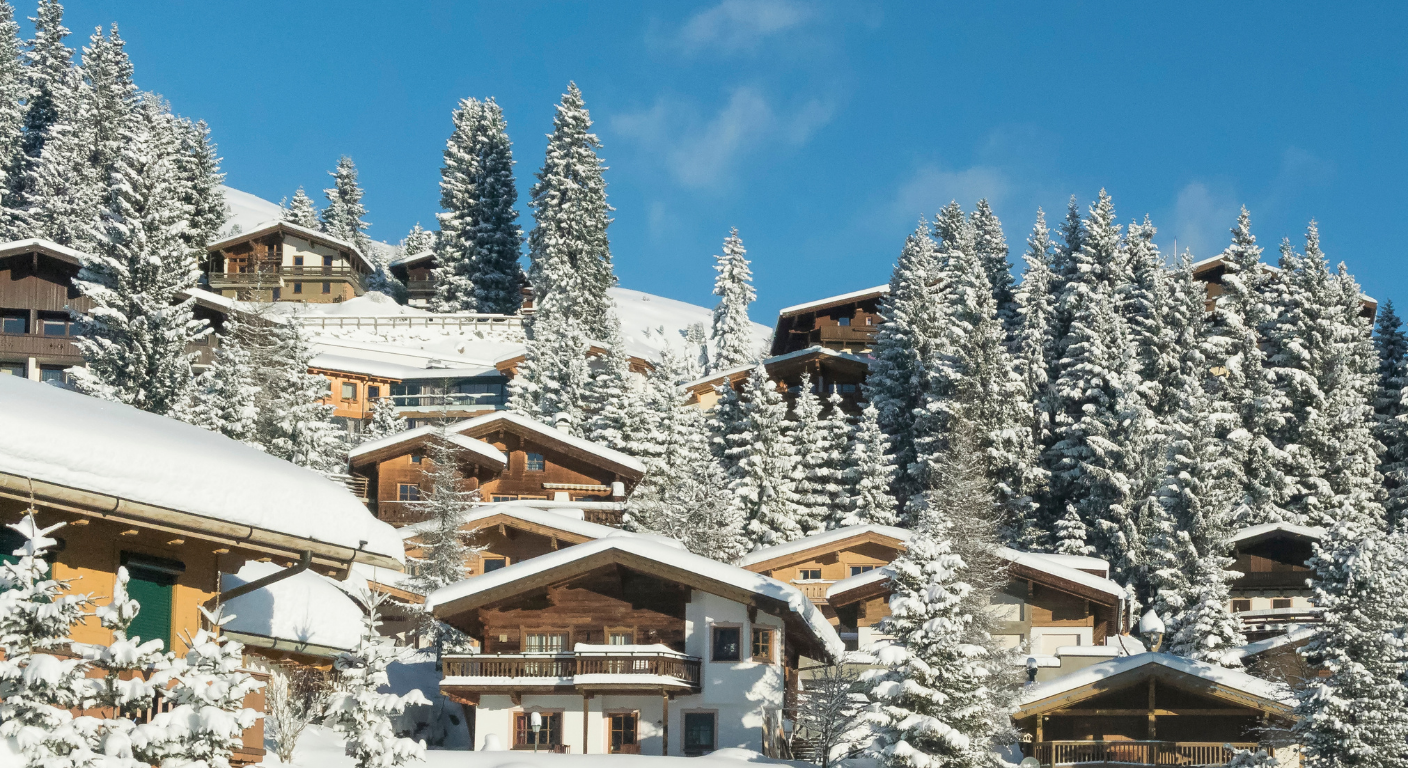
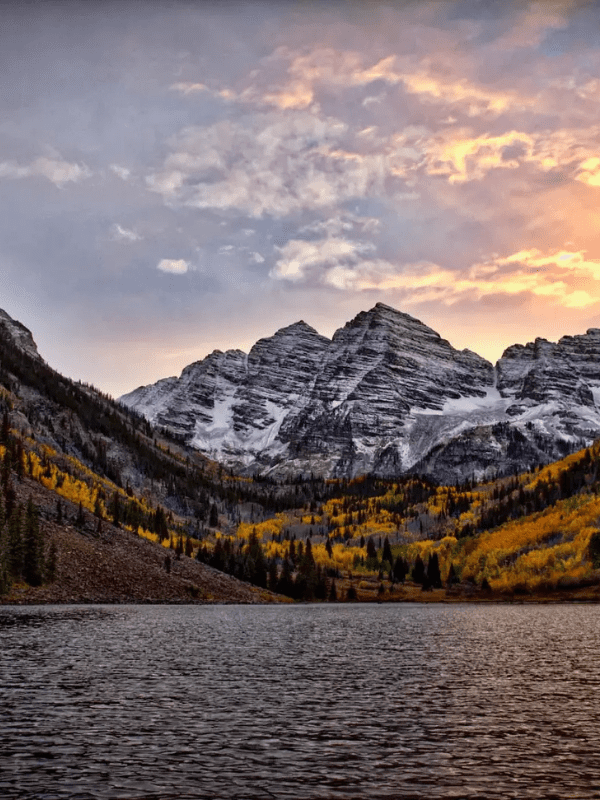
Imagine unwinding as the sun dips below the majestic peaks, painting the sky in hues of fiery orange and soft lavender.
Colorado dining experiences in April 2026 showcase the state’s culinary evolution from mountain retreat to gastronomic powerhouse. As spring awakens the Rockies, Colorado dining experiences blend MICHELIN-starred innovation with farm-to-table traditions. Whether seeking intimate tasting menus or vibrant global flavors, these Colorado dining experiences promise unforgettable moments where world-class cuisine meets breathtaking alpine beauty across Denver, Vail, and beyond.
This is Colorado, a state renowned not just for its breathtaking landscapes but also for a burgeoning culinary scene that’s as diverse and captivating as its topography. From the vibrant urban centers to the serene mountain towns, the Centennial State has quietly cultivated a reputation as a true gastronomic destination. Forget everything you thought you knew about mountain fare; April 2026 beckons with a symphony of flavors, where sustainable cuisine, fresh foraged produce, and award-winning chefs converge to create unforgettable dining experiences.
As your expert culinary travel writer and food critic, I’ve crisscrossed this glorious state, uncovering the hidden gems and celebrated institutions that define Colorado’s unique palate. Prepare your senses for a journey that celebrates farm-to-table integrity, showcases small-batch wines, and introduces you to the visionary chefs who are putting Colorado firmly on the global culinary map. Whether you crave the intimacy of a MICHELIN-starred tasting menu or the joyous chaos of a reborn local icon, Colorado’s tables are set for an extraordinary adventure.
Intimate Colorado Dining Experiences
For those seeking a profound connection with their food, where every dish tells a story and the ambiance cradles conversation, Colorado offers a selection of truly special havens.
At Brutø, a MICHELIN-starred gem in Denver, Chef Kelly Jeun masterfully translates a zero-waste philosophy into an art form. The sleek, brutalist space, with its exposed concrete and minimalist lines, provides a dramatic backdrop for the star of the show: a mesmerizing live-fire hearth. Here, ingredients are coaxed to their peak, imbued with a smoky char and primal essence that elevates each bite. Expect a tasting menu that’s both adventurous and deeply satisfying, a testament to thoughtful sourcing and innovative technique.
Nestled in the heart of Vail, Osaki’s offers a MICHELIN-recommended, exquisitely cozy escape. Chef Takshi Osaki, a true master of his craft, crafts an Omakase-style experience that transports diners straight to Japan. Each delicate course is a revelation, showcasing pristine ingredients flown in directly from the Tsukiji Market. Don’t miss the monkfish liver, often hailed as the “foie gras of the sea,” a rich, velvety delicacy that melts on the tongue. It’s a personal, unforgettable journey through authentic Japanese flavors.
In Colorado Springs, The Studio, helmed by the charismatic Chef Brother Luck (of Top Chef and Chopped fame), is an intensely personal affair. With just 24 seats, this intimate space, bathed in moody lighting, becomes a stage for introspective storytelling. Chef Luck’s tasting menus reflect his deep Southwestern roots interwoven with vibrant influences from his global travels. Each plate is a chapter, inviting you to savor not just the flavors but also the narrative of a chef’s culinary journey.
Globally Inspired Colorado Dining
Colorado’s culinary landscape is a vibrant tapestry woven with global threads, offering an exciting array of international flavors reimagined with local flair.
Denver’s Alma Fonda Fina, a MICHELIN-starred sensation, feels like stepping into a stylish friend’s home, albeit one where Chef Johnny Curiel is crafting contemporary Mexican masterpieces. His pork-belly carnitas, served on house-made sourdough tortillas, are a revelation of crispy, tender perfection. The scallop crudo, bright with apple aguachile, offers a refreshing counterpoint. It’s a celebration of bold flavors and refined technique that’s both comforting and exhilarating.
In Aspen, Mawa’s Kitchen, a MICHELIN-recommended spot by James Beard nominated Chef Mawa McQueen, presents a unique Afro-Mediterranean experience with a delightful French-American flair. Her West African-style seafood gumbo is a soulful, aromatic symphony, while the hibiscus-glazed carrots are a surprising burst of sweet and tangy. Chef McQueen’s cuisine is a heartfelt expression of her global heritage, served with warmth and passion.
Boulder’s Dushanbe Teahouse is more than just a MICHELIN-recommended restaurant; it’s a breathtaking work of art. Adorned with intricate Persian art and ornate wood carvings from Tajikistan, this teahouse is a feast for the eyes and the palate. While famous for its vast tea selection, the menu spans the globe, offering delights like spicy Indonesian peanut noodles that are both comforting and exotic, a true global culinary tour under one stunning roof.
Locally Driven Colorado Cuisine
Embracing the bounty of the Centennial State, these restaurants champion local ingredients, bringing the vibrant flavors of Colorado directly to your plate.
A must-stop on any Western Slope road trip, Bin 707 Foodbar in Grand Junction, led by James Beard finalist Chef Josh Niernberg, is a testament to responsibly sourced, hyper-local cuisine. His elk tartare, a delicate balance of game and spice, is an ode to the region, while the yellow-corn hushpuppies offer a comforting, flavorful bite. It’s a true taste of Western Colorado, crafted with integrity and innovation.
Located in the bustling Stanley Marketplace, Annette, a James Beard award-winning establishment by Chef Caroline Glover, radiates a welcoming neighborhood vibe. The open-concept kitchen hums with activity, churning out seasonal plates that highlight the freshest ingredients. From impeccably fresh oysters to hearty, inventive mains, every dish is a celebration of flavor and seasonality, embodying rustic, scratch-to-table charm.
Foraged Farm-to-Table Dining Experiences
Experience the ultimate connection to the land at these establishments, where the menu is dictated by the seasons and the chef’s hands are often covered in soil.
Chef/farmer Eric Skokan is a pioneer of the farm-to-table movement, earning a MICHELIN Green Star for Black Cat Farmstead / Bramble & Hare in Boulder. The menu changes daily, a direct reflection of what’s harvested from their 425-acre organic farm. Dining here, perhaps in one of their charming private cabanas surrounded by wildflowers, is an immersive experience, a true taste of the land’s rhythm and bounty.
Step back in time at The Farmhouse at Jessup Farm in Fort Collins, a charming 130-year-old homestead. With exposed brick, twinkling string lights, and a beautiful patio deck perfect for dining under the stars, it’s an idyllic setting for enjoying scratch-made, hearty fare. The menu celebrates comfort and tradition, offering robust dishes crafted with local ingredients that feel like a warm embrace.
Aspen’s MICHELIN-starred Bosq, under the visionary leadership of Chef Barclay Dodge, offers a luxury New American dining experience deeply rooted in the wild. Chef Dodge is renowned for his innovative use of fresh foraged ingredients, transforming them into a revolving tasting menu that’s both elegant and adventurous. Each dish is a delicate balance of nature’s bounty and culinary sophistication, a testament to Aspen’s refined tastes.
Unique Colorado Dining Adventures
For those who crave dining experiences that defy convention and spark conversation, Colorado delivers with two truly one-of-a-kind destinations.
In Denver, Linger is an eatery with a fascinating past – it was once a mortuary. Today, it’s vibrantly alive, offering veggie-forward international street food in a chic, eco-conscious setting. The rooftop bar provides unparalleled views of the iconic Little Man Ice Cream scoop shop and the Denver skyline, making it a perfect spot for vibrant flavors and captivating vistas.
The legendary Casa Bonita in Lakewood, the “pink palace” of childhood dreams, has been gloriously reborn! Rescued and revitalized by James Beard nominated Chef Dana Rodriguez and the creators of South Park, it’s a joyous camp-fest of cliff divers, waterfalls, and endless sopapillas. While the entertainment remains central, Chef Rodriguez has elevated the food, ensuring that the tacos and enchiladas are now as delightful as the spectacle. It’s an experience that truly must be seen (and tasted) to be believed.
Wine-Centric Dining in Colorado
Colorado’s burgeoning wine scene and world-class cellars offer perfect pairings for any palate, from boutique vineyards to expansive collections.
Journey to Palisade, Colorado’s wine country, and discover Sauvage Spectrum, a boutique vineyard making waves with Winemaker Patric Matysiewski. His dedication to showcasing unique Colorado flavor profiles shines through in every bottle, from crisp whites with notes of sweet melon to adventurous sparkling wines infused with prickly pear. It’s a refreshing exploration of what Colorado terroir has to offer.
Inside the luxurious Little Nell hotel, Element 47 stands as a MICHELIN-recommended beacon of contemporary cuisine. Indulge in exquisite wagyu beef or delicate house-made pasta, all perfectly paired from their legendary 20,000+ bottle cellar. Expert sommeliers are on hand to guide you through an unparalleled selection, ensuring a wine experience as refined as the dishes themselves.
Vail’s MICHELIN-recommended Sweet Basil, under the direction of James Beard semifinalist Executive Chef Paul Anders, offers a trendy, upscale environment with a vibrant, ever-evolving menu. Dishes like venison with honey-lime carrots showcase creative flair, while the octopus a la plancha is a masterclass in texture and flavor. It’s a sophisticated dining experience, perfect for celebrating a day on the slopes or a special occasion.
As April 2026 approaches, Colorado stands ready to impress even the most discerning palate. Its culinary scene is a dynamic blend of tradition and innovation, where mountain majesty meets gastronomic mastery. So, pack your curiosity, bring your appetite, and prepare to roam and taste your way through a new kind of culinary vacation. Colorado’s tables are waiting to tell their delicious stories.
Mountain Communities Grapple with Soaring Waste Costs Amid New State Emission Rules
Mountain waste disposal is becoming a critical challenge for Colorado’s high-altitude communities in 2026. New state emission regulations are forcing mountain waste disposal facilities to invest heavily in infrastructure upgrades, threatening to triple costs for residents. As mountain waste disposal operations struggle with retrofitting requirements, local governments face difficult decisions about passing these expenses to taxpayers. Understanding the mountain waste disposal crisis is essential for anyone living in or considering a move to Colorado’s beloved mountain towns.
Nestled amidst Colorado’s majestic peaks, the state’s mountain communities are facing an unseen challenge that threatens to impact every household and business: the rising cost of waste disposal. A confluence of ambitious environmental mandates from the state and the unique logistical realities of high-altitude living is pushing local governments to consider substantial hikes in trash collection fees, sparking a debate between ecological responsibility and economic sustainability.
At the heart of this unfolding situation are new emission regulations promulgated by the Colorado Air Quality Control Commission (AQCC) last year. These rules, designed to reduce harmful greenhouse gas emissions, particularly methane and volatile organic compounds (VOCs), emanating from landfills, are a critical component of Colorado’s broader climate action strategy. Landfills are significant contributors to atmospheric methane, a potent greenhouse gas, and capturing these emissions is a vital step in mitigating climate change. The regulations mandate more stringent monitoring, collection, and destruction of these gases, requiring substantial upgrades to existing landfill infrastructure.
Mountain Waste Disposal Challenges: Key Cost and Compliance Insights
While the environmental objectives of these regulations are widely supported, their implementation presents a particularly thorny problem for Colorado’s smaller, often remotely located, mountain county landfills. Unlike their larger counterparts on the Front Range, these facilities typically serve smaller populations, meaning they lack the economies of scale necessary to absorb significant capital investments without a dramatic impact on per-resident costs. The sheer logistics of operating in mountainous terrain further compound the issue. Transporting specialized equipment, materials, and expert personnel to these sites often involves navigating challenging roads, facing adverse weather conditions, and incurring higher fuel and labor costs.
Many mountain landfills were not initially designed with advanced gas capture systems in mind. Retrofitting these facilities to meet the new, rigorous standards requires significant engineering, construction, and ongoing operational adjustments. This can include installing extensive networks of collection wells, sophisticated piping systems, and flares or energy recovery units to burn off or utilize the captured methane. For operations already running on lean budgets, these unforeseen expenses can be financially crippling.
Local government officials across counties like Summit, Eagle, Pitkin, and others are sounding the alarm. They contend that without state assistance or significant adjustments to the regulatory framework, the only viable option will be to pass these increased operational costs directly onto residents and local businesses through higher trash collection and disposal fees. For communities already grappling with the high cost of living, particularly housing and essential services, additional burdens on household budgets could prove unsustainable.
The potential economic ripple effect is a serious concern. Higher trash bills affect not just homeowners but also small businesses, which are the backbone of many mountain town economies. Restaurants, hotels, and retail establishments, already facing razor-thin margins, could see their operating expenses climb. This could, in turn, lead to higher prices for consumers, potentially impacting the tourism industry—a primary economic driver for many of these areas. The delicate balance between attracting visitors and maintaining affordability for residents is a constant challenge, and increased waste disposal costs could tip that balance.
Recognizing the unique predicament of mountain communities, state lawmakers have begun actively seeking solutions. Discussions are underway to explore various avenues, including potential legislative fixes that could offer financial relief or greater flexibility in compliance. Options might include state funding allocations to help smaller landfills finance necessary upgrades, establishing grant programs, or even considering phased implementation schedules or targeted exemptions for facilities below a certain size or waste volume threshold, provided environmental efficacy is not compromised. The goal is to strike a balance that allows the state to meet its climate objectives without unduly burdening vulnerable communities.
The debate highlights a broader tension inherent in statewide environmental policy: how to implement sweeping mandates that account for regional diversity and local economic realities. Colorado is a state of vast geographical and demographic contrasts, and a one-size-fits-all approach to environmental regulation can sometimes inadvertently create disproportionate impacts on specific regions. The situation with landfill emissions serves as a potent reminder of the need for collaborative policymaking that involves robust input from local stakeholders.
Beyond immediate legislative fixes, this challenge also opens a broader conversation about sustainable waste management practices in mountain regions. Could this push for emission reduction also accelerate innovation in waste diversion, recycling, and composting programs? Are there opportunities for regional collaborations among smaller counties to pool resources, share infrastructure, or explore advanced waste-to-energy technologies? While these are longer-term considerations, the current predicament underscores the urgency of rethinking how waste is managed across the state.
Ultimately, the forthcoming solutions will need to demonstrate a commitment to both environmental stewardship and the economic vitality of Colorado’s mountain towns. The outcome of legislative efforts and ongoing discussions will set a precedent for how the state navigates future climate initiatives, ensuring that the burden of progress is shared equitably and that the unique character and resilience of its diverse communities are preserved.
These Colorado Ski Resort Upgrades are already taking shape as autumn air in the high country signals an annual shift, not just in foliage, but in the hum of anticipation that permeates mountain towns. While the calendar might still point to warmer days, the gears are already in motion at ski resorts across the state, preparing for another bustling winter season. This preparation isn’t merely about grooming slopes or tuning snowmaking equipment; it’s often a year-round commitment to enhancing the very arteries of these winter playgrounds: their lift systems.
Colorado stands as an undeniable titan in the global ski industry, drawing millions of visitors each year with its legendary powder and majestic peaks. Maintaining this prestigious status requires constant evolution, and the modernization of chairlifts is frequently at the core of these efforts. From high-speed six-packs to state-of-the-art gondolas, these mechanical marvels are more than just transportation; they are key determinants of skier satisfaction, resort capacity, and overall operational efficiency.
Modern high-speed lifts are at the center of this year’s Colorado Ski Resort Upgrades.
What These Colorado Ski Resort Upgrades Include
The continuous investment in new and upgraded lift infrastructure by Colorado’s prominent resorts reflects a strategic understanding of the modern skier’s demands. Long wait times are increasingly intolerable for guests paying premium prices for a day on the slopes. Modern detachable chairlifts, which slow down for easy loading and unloading but zip up the mountain at exhilarating speeds, drastically reduce congestion and allow skiers to maximize their time on the snow. This commitment to efficiency is paramount in an era where guest experience directly translates to loyalty and positive word-of-mouth.
Beyond speed, new lifts often unlock previously underutilized terrain, expand access to advanced runs, or provide more direct routes to popular areas, distributing skiers more evenly across the mountain. This careful planning helps to alleviate crowding in high-traffic zones and offers a more diverse experience for skiers of all abilities. The vision extends beyond a single season, with resorts planning multi-year capital improvement projects that consistently aim to elevate the standard of mountain recreation.
The economic ripple effect of these investments is substantial. Building a new chairlift is a monumental undertaking, involving extensive engineering, construction, and specialized labor. This creates jobs, stimulates local economies through procurement of materials and services, and ultimately enhances the appeal of mountain communities as year-round destinations. From the initial groundbreaking to the final safety checks, these projects inject significant capital into Colorado’s vibrant outdoor recreation sector. The state’s ski industry, supported by such infrastructure, is a major economic driver, contributing billions annually and supporting tens of thousands of jobs, from ski instructors to hospitality workers. For a deeper dive into the industry’s impact, visit Colorado Ski Country USA.
However, modernizing mountain infrastructure is not without its complexities. Environmental considerations play a crucial role in every phase of planning and construction. Resorts often work closely with environmental agencies, local communities, and conservation groups to minimize ecological footprints. This includes careful route planning to avoid sensitive habitats, implementing erosion control measures, and restoring disturbed areas with native vegetation. The balance between progress and preservation is a constant, delicate act in Colorado’s pristine natural landscapes.
Colorado Ski Resort Upgrades at Winter Park and Beyond
For instance, resorts like Winter Park, nestled in the Fraser Valley, have consistently invested in their lift fleet, understanding that a superior uphill experience is foundational to their guest offering. While no specific new lift is being launched statewide this very moment with the fanfare of a new facility in Australia, the ongoing cycle of upgrades is a constant. Resorts evaluate their existing infrastructure, identify bottlenecks, and plan strategically for replacements or additions. This might involve replacing an older fixed-grip double with a faster quad or even a high-capacity gondola, a decision driven by data on skier flow, terrain usage, and future growth projections.
The impact on local towns is also significant. Improved access and visitor experience at resorts often translate to increased tourism spending in nearby towns, boosting local businesses from restaurants and retail shops to lodging providers. This symbiotic relationship between resort and community is a hallmark of Colorado’s mountain culture. Places like Breckenridge, Vail, and Aspen thrive on the consistent influx of visitors drawn by the promise of world-class skiing, a promise bolstered by modern, efficient lift systems.
Looking ahead, the conversation around mountain infrastructure is also increasingly focusing on sustainability and resilience. Resorts are exploring ways to power lifts with renewable energy, implement more efficient snowmaking technologies, and manage water resources judiciously. These efforts are not just about being environmentally responsible; they are about future-proofing the industry against climate challenges and ensuring that Colorado’s ski mountains remain viable and vibrant for generations to come. Many resorts offer information on their sustainability initiatives, such as those found on Vail Mountain’s official website, highlighting their commitment to the environment.
As the first flakes begin to fall and the countdown to opening day dwindles, the behind-the-scenes work of preparing Colorado’s ski resorts exemplifies a continuous drive for excellence. Whether it’s a brand-new high-speed quad or a significant upgrade to an existing lift, these investments are testaments to Colorado’s unwavering commitment to delivering an unparalleled winter experience. The whirring of gears, the tensioning of cables, and the final safety checks are all part of the symphony that prepares the mountains to once again welcome eager skiers and snowboarders from around the globe, eager to carve tracks on the storied slopes of the Centennial State. For planning your next Colorado mountain adventure, consider resources like Colorado.com. See how these Colorado Ski Resort Upgrades fit into the bigger picture in our look at statewide Colorado winter sports investment and planning a Colorado ski resorts road trip.
Denvers Dynamic Event Scene: Food, Jazz More This Week
Denver, a city nestled against the majestic backdrop of the Rocky Mountains, is not just a hub for outdoor enthusiasts but also a vibrant cultural melting pot, constantly buzzing with a diverse array of events. From gastronomic journeys through historic neighborhoods to soulful jazz performances echoing in intimate venues, the Mile High City offers something for every interest and age group. This week, as with many others, promises a rich tapestry of experiences designed to engage, entertain, and connect the community.
The dynamism of Denver's event scene is a testament to its evolving identity. Once primarily known for its proximity to nature, the city has blossomed into a sophisticated urban center, fostering a thriving arts, culinary, and entertainment landscape. Local publications and online calendars are essential guides for residents and tourists alike, meticulously compiling the myriad happenings that punctuate the city's calendar. These resources often highlight unique, hyper-local experiences that might otherwise go unnoticed, creating a more intimate connection between attendees and the city's spirit.
Key Insights
One of the enduring appeals of Denver is its robust culinary scene, which has seen explosive growth and diversification over the past decade. Food tours have emerged as a fantastic way to explore this evolution, offering curated experiences that blend historical insights with delectable tastings. The Downtown Denver Food Tour, for instance, provides participants with an immersive journey through the city's gastronomic heart. Imagine strolling through bustling streets, guided by an expert who not only points out architectural marvels but also ushers you into hidden gems and iconic eateries. These tours often feature tastings from a variety of establishments, ranging from beloved local diners to upscale, modern restaurants, showcasing the breadth of Denver's culinary talent.
Participants on such tours might sample craft beers from a burgeoning brewery scene, savor farm-to-table dishes highlighting Colorado's agricultural bounty, or indulge in international flavors brought by the city's diverse population. Beyond mere consumption, these tours offer a narrative — a story of how Denver's food culture has grown from its frontier roots to its current status as a culinary destination. They explore the influence of diverse immigrant communities, the rise of the locavore movement, and the innovative spirit of local chefs. It's an opportunity not just to eat, but to learn about the people, history, and passion behind the food that defines Denver.
Complementing the city's vibrant food scene is its equally rich musical tapestry. Denver has long been a destination for live music, boasting legendary venues like Red Rocks Amphitheatre and a multitude of smaller clubs that cater to every genre imaginable. Jazz, with its improvisational spirit and soulful melodies, holds a special place in the city's musical heart. The Lamont Jazz Orchestra, for example, represents the pinnacle of collegiate jazz performance and is a recurring highlight in Denver's event listings. Their performances, often held at esteemed venues like Dazzle at Baur's, offer an evening of sophisticated entertainment.
Dazzle at Baur's itself is an institution in Denver's jazz scene. Known for its intimate setting, superb acoustics, and dedication to showcasing both local and national talent, it provides the perfect backdrop for a captivating jazz experience. The Lamont Jazz Orchestra, composed of talented students from the University of Denver's Lamont School of Music, brings fresh energy and exceptional skill to classic and contemporary jazz compositions. Attending one of their performances is not just a chance to hear incredible music; it's an opportunity to witness the cultivation of future musical stars, underscoring the importance of arts education in enriching a city's cultural landscape. Such events are vital for nurturing new talent and ensuring the continued vibrancy of live music.
Beyond these specific examples, Denver's event calendar is replete with options catering to a wide range of interests. Art lovers can explore numerous galleries in the Santa Fe Arts District or attend opening nights at the Denver Art Museum. Theatre enthusiasts have a choice of productions at the Denver Center for the Performing Arts or more experimental works at smaller, independent venues. For those who prefer the great outdoors, even within the city limits, there are often guided hikes, community bike rides, or fitness classes held in one of Denver's many parks. Farmers' markets spring up across neighborhoods, offering fresh produce, artisanal goods, and a lively community atmosphere.
Cultural festivals are another cornerstone of Denver's event scene, celebrating the city's diverse heritage. From Cinco de Mayo celebrations to Oktoberfest festivities, and numerous international film and music festivals, these events not only provide entertainment but also foster understanding and appreciation among different communities. They are spaces where traditions are shared, stories are told, and new friendships are forged, contributing significantly to the city's inclusive spirit.
The planning and execution of these events require significant effort and coordination. Local publications like the Denver Gazette play a crucial role in disseminating information, serving as a centralized hub for event organizers to reach their target audiences. The process of submitting event details, often weeks in advance, highlights the foresight and dedication required to maintain such a dynamic event schedule. This collaborative ecosystem, involving organizers, venues, performers, and media outlets, is what keeps Denver's pulse strong and its cultural offerings fresh and exciting.
In essence, Denver's event scene is more than just a list of things to do; it's a reflection of the city's heart and soul. It's where residents connect, where visitors discover the unique flavor of the Mile High City, and where culture is not just consumed but actively created and celebrated. Whether you're seeking a culinary adventure, a soulful musical interlude, or simply a chance to engage with your community, Denver consistently delivers a compelling invitation to explore and participate.
As the crisp autumn air hints at the coming snow, a different kind of buzz electrifies Colorado’s high country — the Colorado Winter Sports Investment season is underway. While the first flakes are still weeks or months away, the gears of progress are already in motion at ski resorts across the state. This period of anticipation is not just about dreaming of powder days; it’s a critical time when years of planning and significant investment culminate in tangible improvements designed to elevate the skier and snowboarder experience. From new high-speed chairlifts spinning for test runs to sophisticated snowmaking expansions and base area enhancements, Colorado’s ski industry never truly rests, constantly evolving to maintain its world-class reputation.
The continuous drive for innovation is a hallmark of Colorado’s commitment to winter sports. Each off-season brings a flurry of construction and modernization efforts, signaling a profound dedication to enhancing capacity, improving efficiency, and maximizing guest comfort. These projects are more than just cosmetic upgrades; they are fundamental investments in the future, addressing everything from reducing lift lines and improving access to challenging terrain to ensuring operational reliability in diverse weather conditions. The hum of a newly installed chairlift cycling through its paces is a mechanical symphony, heralding not just the approach of a new season but the promise of an improved one.
Colorado’s high country is where much of this year’s winter sports investment is taking shape.
What This Colorado Winter Sports Investment Looks Like
Consider the significance of a new lift. It’s not merely a means to ascend a mountain; it’s a meticulously engineered system designed to integrate seamlessly into the resort’s vast network. Modern high-speed detachable quads, six-packs, and eight-person gondolas can transport thousands of skiers per hour, drastically cutting down on wait times and allowing more time on the slopes. These advancements translate directly into a better value for the ski pass holder, maximizing their vertical feet and overall enjoyment. Furthermore, new lifts often open up previously underutilized terrain, dispersing crowds and offering fresh experiences even to seasoned locals.
The economic ripple effect of these investments is substantial. Colorado’s ski industry is a cornerstone of the state’s tourism economy, drawing millions of visitors annually who contribute billions of dollars to local communities. When resorts invest in new infrastructure, they are not only improving their own facilities but also stimulating job creation, supporting local contractors, and bolstering small businesses in mountain towns. From architects and engineers designing the lifts to construction crews building them, and eventually the lift operators, ski patrollers, and hospitality staff, the employment chain is extensive. This robust economic activity helps sustain vibrant communities throughout the Rockies.
Beyond the lifts themselves, resorts are also investing in a suite of complementary technologies and infrastructure. Enhanced snowmaking capabilities, for instance, are crucial for guaranteeing early-season openings and ensuring consistent snow coverage throughout the winter, regardless of natural snowfall patterns. State-of-the-art grooming fleets work tirelessly overnight to create pristine corduroy, while expanded base lodges offer more comfortable spaces for warming up and dining. Many resorts are also focusing on digital integration, improving online booking systems, mobile apps for real-time lift status, and contactless access to further streamline the guest experience. For a comprehensive look at the state’s ski industry, Colorado Ski Country USA offers insights into the collective efforts and successes of its member resorts.
The planning and execution of these projects are monumental tasks, often spanning multiple years. Environmental impact assessments, regulatory approvals, and navigating the complexities of construction in alpine environments—often at high altitudes and in rugged terrain—present unique challenges. Resort operators must balance the desire for growth and improvement with a deep commitment to environmental stewardship and preserving the natural beauty of the mountains. Many resorts are implementing sustainable practices, from energy-efficient lift operations to responsible waste management, ensuring that future generations can continue to enjoy Colorado’s pristine landscapes.
Colorado’s competitive landscape also fuels this continuous drive for excellence. With numerous world-renowned resorts vying for attention, each property is motivated to offer the best possible experience. This healthy competition fosters innovation and encourages resorts to constantly re-evaluate and improve their offerings. Major players, such as Vail Resorts and Alterra Mountain Company, manage significant portfolios across the state, bringing extensive resources and expertise to their properties. Independent resorts, too, thrive on their unique character and dedicated fan bases, often making targeted investments that reflect their specific identity.
Colorado Winter Sports Investment in Action: Breckenridge
Consider the example of Breckenridge, a resort that consistently invests in its infrastructure. Over recent years, Breckenridge has upgraded several key lifts, enhancing access to its expansive terrain and improving skier flow, particularly in high-traffic areas. These investments ensure that visitors can spend more time skiing and less time waiting, which is critical for visitor satisfaction. Updates like the new high-speed quad at Breckenridge exemplify the ongoing commitment to modernizing mountain operations. You can explore more about their offerings and plans directly at Breckenridge Ski Resort’s official website.
Looking ahead, the commitment to enhancing the ski experience shows no signs of waning. Resorts are continually exploring new technologies, from advanced snowmaking techniques that require less energy and water to more sophisticated terrain park designs and enhanced ski school facilities. The goal remains steadfast: to provide an unparalleled mountain adventure that keeps visitors returning year after year. As winter approaches, the anticipation builds, not just for the snow itself, but for the opportunity to experience the fruits of these continuous investments firsthand.
Ultimately, the continuous evolution of Colorado’s ski infrastructure is a testament to the state’s enduring passion for winter sports. It reflects a proactive approach to maintaining its position as a global leader in the industry, ensuring that both local enthusiasts and international tourists can enjoy accessible, efficient, and unforgettable experiences on its majestic peaks. The ongoing upgrades are more than just improvements; they are integral to the very fabric of Colorado’s identity as a premier destination for mountain adventure. For more information on planning your next Colorado adventure, visit Colorado’s official tourism site. To see how these upgrades compare across the state, check out our guides to Colorado ski resort upgrades and planning a Colorado ski resorts road trip.
Mile High Fight: Nuggets Force Game 6, Ignite Playoff Hopes
Denver, CO – The air inside Ball Arena crackled with a palpable mix of anxiety and fervent hope as the Denver Nuggets faced what many considered a do-or-die Game 5 against the formidable Minnesota Timberwolves. With their championship defense hanging precariously in the balance, the reigning NBA champions delivered a masterclass in resilience and strategic execution, securing a decisive 125-113 victory that not only staved off elimination but profoundly shifted the psychological landscape of the series. This wasn’t merely a win; it was a powerful declaration of intent from a team that refuses to relinquish its crown easily, forcing a pivotal Game 6 back in Minneapolis.
From the opening tip, the Nuggets played with a focused intensity that had, at times, seemed elusive in earlier contests of this Western Conference Semifinals matchup. The collective effort was evident, marked by sharper rotations on defense and a more fluid, aggressive attack on offense. The crowd, a sea of blue and gold, roared with every successful defensive stand and every basket, their energy mirroring the desperate fight unfolding on the court. It was a stark contrast to some previous games where the Timberwolves’ youthful exuberance and defensive prowess had seemingly stifled Denver’s rhythm.
Key Insights
At the heart of Denver’s resurgence was, predictably, Nikola Jokic, whose performance transcended mere statistics. The three-time MVP orchestrated the offense with his customary genius, making timely passes, grabbing crucial rebounds, and scoring efficiently from all areas of the court. His ability to elevate his teammates and remain composed under immense pressure served as the bedrock of the Nuggets’ offensive surge. Alongside him, Jamal Murray rediscovered his playoff magic, hitting critical shots and providing the offensive dynamism essential for Denver to contend with Minnesota’s suffocating defense. Murray’s ability to create off the dribble and penetrate the paint opened up opportunities for others, showcasing the vital synergy between the team’s two primary playmakers.
However, this victory was far from a two-man show. The supporting cast, often highlighted as the X-factor for the Nuggets, stepped up in monumental fashion. Michael Porter Jr. demonstrated his value with timely three-pointers and active rebounding, stretching the floor and punishing Minnesota’s defense for sagging. Aaron Gordon’s physical presence and defensive versatility were invaluable, as he battled against the Timberwolves’ athletic frontcourt and contributed key points in transition. Even reserves like Christian Braun and Kentavious Caldwell-Pope provided crucial energy and defensive stops, illustrating the depth and collective resolve that define a championship-caliber squad. The concerted effort to play cohesive team basketball, mirroring the championship run from last season, was unmistakably present.
Coach Michael Malone’s strategic adjustments also played a significant role. After struggling to counter Minnesota’s aggressive defense and fast-paced offense in earlier games, particularly the devastating first two games at home, Malone’s team appeared to have found answers. There was a noticeable emphasis on quicker ball movement to bypass the Timberwolves’ traps and an improved commitment to perimeter defense, aimed at slowing down Minnesota’s potent guard play and minimizing their transition opportunities. The Nuggets managed to dictate the tempo for significant stretches, preventing the Timberwolves from settling into their preferred high-octane offensive flow. This ability to adapt and execute under pressure is a hallmark of elite coaching and a testament to the team’s championship pedigree.
The series, now knotted at 3-2 after Denver initially fell into a precarious 0-2 hole, then 1-3, represents a dramatic shift in momentum. What started with the Timberwolves asserting their dominance with two convincing wins at Ball Arena has now become a grind, a true test of wills between two immensely talented teams. For the Nuggets, this comeback from the brink is not just about advancing; it’s about reaffirming their identity as champions, demonstrating the mental fortitude required to navigate the treacherous waters of the NBA playoffs. Avoiding an opening-round exit for the first time in four years was paramount, a fate they decisively sidestepped with Monday’s triumph.
Beyond the Xs and Os, this victory reverberates deeply within the Colorado community. The Denver Nuggets are more than just a basketball team; they are a source of immense pride and a unifying force for the state. The energy and passion of the fans at Ball Arena and across the metro area are intrinsically linked to the team’s performance. Local businesses, from sports bars to merchandise shops, thrive on the excitement generated by deep playoff runs, creating a vibrant atmosphere that defines springtime in the Mile High City. The collective anticipation for each game, and the shared highs and lows, forge a powerful bond among residents. Fans eagerly follow every development, tuning into the Denver Nuggets official website for updates and team news, or visiting local sports hubs like Denver Sports to immerse themselves in the local sports culture.
Looking ahead to Game 6 in Minnesota, the challenge remains formidable. The Timberwolves, buoyed by their raucous home crowd and a desire to close out the series on their own terms, will undoubtedly come out with renewed aggression. Denver will need to maintain their defensive intensity, control the boards, and continue to find ways to score against one of the league’s top defenses. The experience of playing in high-stakes road games during their championship run last year will be invaluable. This isn’t just about winning a basketball game; it’s about maintaining momentum, executing under hostile conditions, and ultimately, ensuring that their season continues for a decisive Game 7, if necessary, back in Denver.
The Denver Nuggets have proven they can bend, but they won’t break. Their Game 5 victory was a testament to their championship spirit, their star power, and their collective resolve. The season has been extended, and the narrative has been dramatically rewritten, transforming a potential early exit into a captivating battle for survival. The road ahead remains arduous, but for now, the Mile High City breathes a collective sigh of relief, ready to rally behind their team as they venture north, hoping to bring the series back home for a final, winner-take-all showdown.
Contains information related to marketing campaigns of the user. These are shared with Google AdWords / Google Ads when the Google Ads and Google Analytics accounts are linked together.
90 days
__utma
ID used to identify users and sessions
2 years after last activity
__utmt
Used to monitor number of Google Analytics server requests
10 minutes
__utmb
Used to distinguish new sessions and visits. This cookie is set when the GA.js javascript library is loaded and there is no existing __utmb cookie. The cookie is updated every time data is sent to the Google Analytics server.
30 minutes after last activity
__utmc
Used only with old Urchin versions of Google Analytics and not with GA.js. Was used to distinguish between new sessions and visits at the end of a session.
End of session (browser)
__utmz
Contains information about the traffic source or campaign that directed user to the website. The cookie is set when the GA.js javascript is loaded and updated when data is sent to the Google Anaytics server
6 months after last activity
__utmv
Contains custom information set by the web developer via the _setCustomVar method in Google Analytics. This cookie is updated every time new data is sent to the Google Analytics server.
2 years after last activity
__utmx
Used to determine whether a user is included in an A / B or Multivariate test.
18 months
_ga
ID used to identify users
2 years
_gali
Used by Google Analytics to determine which links on a page are being clicked
30 seconds
_ga_
ID used to identify users
2 years
_gid
ID used to identify users for 24 hours after last activity
24 hours
_gat
Used to monitor number of Google Analytics server requests when using Google Tag Manager
1 minute
Marketing cookies are used to follow visitors to websites. The intention is to show ads that are relevant and engaging to the individual user.
A video-sharing platform for users to upload, view, and share videos across various genres and topics.
Registers a unique ID on mobile devices to enable tracking based on geographical GPS location.
1 day
VISITOR_INFO1_LIVE
Tries to estimate the users' bandwidth on pages with integrated YouTube videos. Also used for marketing
179 days
PREF
This cookie stores your preferences and other information, in particular preferred language, how many search results you wish to be shown on your page, and whether or not you wish to have Google’s SafeSearch filter turned on.
10 years from set/ update
YSC
Registers a unique ID to keep statistics of what videos from YouTube the user has seen.
Session
DEVICE_INFO
Used to detect if the visitor has accepted the marketing category in the cookie banner. This cookie is necessary for GDPR-compliance of the website.
179 days
LOGIN_INFO
This cookie is used to play YouTube videos embedded on the website.