Colorado’s snow-capped peaks draw millions of visitors each winter, fueling a multi-billion-dollar ski industry that is central to the state’s identity and economy. For decades, ski resorts have periodically sought to expand their footprint, whether through new lifts, additional runs, or entire new terrain pods. These plans often promise enhanced experiences for skiers and snowboarders, greater capacity to ease crowded slopes, and continued economic vitality for mountain communities. Yet, a closer look reveals a landscape dotted with proposals that, despite initial enthusiasm or even preliminary approvals, have never quite made it off the drawing board. These unbuilt expansions tell a fascinating story of ambition, environmental stewardship, community values, and the complex realities of developing in Colorado’s precious high-alpine environments.
The imperative for expansion often stems from a simple premise: growth. As skier visits climb, resorts face pressure to modernize infrastructure, offer diverse terrain, and reduce wait times, especially during peak season. New lifts can unlock previously inaccessible areas, providing expert challenges or beginner-friendly zones. Enhanced base facilities and expanded lodging can improve the overall guest experience. Moreover, in a competitive market, staying relevant often means evolving, and expansion is a key strategy to attract new demographics and retain loyal patrons who seek fresh adventures. Resorts invest heavily in master planning, envisioning futures where their operations seamlessly integrate with their natural surroundings while accommodating more guests.
Key Insights
However, the path from concept to concrete is anything but straightforward, particularly for ski areas operating, in whole or in part, on federal public lands managed by the U.S. Forest Service. Any significant expansion on these lands triggers a comprehensive environmental review process under the National Environmental Policy Act (NEPA). This can involve extensive studies on wildlife habitats, water quality, air quality, wetlands, and even cultural resources. Public comment periods invite scrutiny from environmental advocacy groups, local residents, and other stakeholders, often leading to protracted debates and, at times, significant modifications or outright rejection of proposals. The bureaucratic layers extend beyond federal oversight to state and local permitting, covering everything from water rights and zoning variances to traffic impact assessments and infrastructure demands on small mountain towns.
One of the most formidable obstacles to resort expansion comes from environmental and community resistance. Conservation groups frequently raise concerns about habitat fragmentation for wildlife like lynx or elk, erosion, increased water usage for snowmaking, and the impact of more human activity on sensitive ecosystems. Local communities, while often benefiting economically from tourism, frequently grapple with the downsides of unchecked growth: soaring housing costs, traffic congestion, strain on public services, and the perceived loss of their unique mountain town character. These concerns can mobilize powerful grassroots opposition, leading to legal challenges and political pressure that can halt or indefinitely delay even well-intentioned projects. The conversation invariably shifts from economic benefits to the preservation of a way of life and the intrinsic value of wilderness.
Beyond regulatory and public hurdles, the economics and logistics of large-scale ski resort development are themselves daunting. These projects require immense capital investment, often stretching into hundreds of millions of dollars. Securing financing can be challenging, especially in fluctuating economic climates. Furthermore, the specialized construction in high-alpine environments, often with short seasonal windows, adds significant costs and complexity. Land acquisition, if the expansion involves private parcels, can be prohibitively expensive or complicated by existing ownership structures. Changes in resort ownership, market conditions, or even shifting corporate priorities can also cause approved or proposed expansions to be indefinitely shelved, regardless of their initial viability or community support.
A prime example of a long-running, often stalled, expansion saga in Colorado is the proposed ‘Village at Wolf Creek.’ While not a direct ski area expansion, this controversial development, situated adjacent to the relatively untouched Wolf Creek Ski Area, has been a battleground for decades. Developers envision a sprawling village that would dramatically increase lodging and amenities in the remote area, but environmental groups and local residents have fiercely opposed it, citing concerns over water resources, wildlife impacts, and the precedent of building a large-scale development in such a pristine, high-elevation environment. Despite various approvals and legal maneuvers over the years, the project has faced continuous challenges, underscoring the deep divisions that can arise when development ambitions clash with environmental preservation and local land-use ethics. Understanding the regulatory framework for such projects often involves navigating the intricacies of federal land management agencies. You can learn more about how public lands in Colorado are managed by visiting the U.S. Forest Service Rocky Mountain Region Land Management page.
Other resorts, even those with less contentious plans, navigate similar constraints. Eldora Mountain Resort, for instance, operates almost entirely within the Roosevelt National Forest, limiting its physical expansion potential and subjecting any proposals to stringent federal environmental review. While master plans for many resorts like Vail or Breckenridge often include a menu of potential future enhancements, not all components are pursued simultaneously or even at all. Priorities shift, economic conditions dictate pace, and community feedback continually refines what is deemed feasible and desirable. The Colorado Energy Office also plays a vital role in encouraging sustainable practices and energy efficiency, which is becoming increasingly relevant for resorts considering long-term viability and climate change impacts. Discover more about Colorado’s sustainability initiatives at the Colorado Energy Office website.
Looking ahead, the discussion around ski resort expansion is increasingly intertwined with the realities of climate change. With concerns about snow reliability and shorter seasons, some resorts are focusing more on enhancing existing infrastructure, improving snowmaking capabilities, and diversifying year-round attractions, rather than simply chasing more acreage. The emphasis is shifting towards sustainable growth, ensuring resilience in the face of environmental challenges. This evolving perspective acknowledges that the appeal of Colorado’s ski resorts lies not just in their size, but in the quality of the experience, the beauty of the natural surroundings, and the unique character of the mountain communities they support.
Ultimately, the projects that remain unbuilt in Colorado’s ski country are not necessarily failures, but rather reflections of a robust and often contentious process. They highlight the state’s commitment to balancing economic opportunity with environmental stewardship, ensuring that future generations can also enjoy the unparalleled beauty and recreational opportunities that define the Colorado experience. The ongoing dialogue between developers, environmentalists, communities, and government agencies shapes not just the physical landscape of our mountains, but also the very ethos of how we interact with and value our incredible natural resources. For more on experiencing all that Colorado has to offer, including its renowned ski destinations, visit the Colorado Tourism Office.
New Colorado methane emission control rules are reshaping how mountain counties manage their landfills. In Colorado’s majestic high country, a complex environmental challenge is brewing, threatening to hit residents where it hurts most: their utility bills. New state-mandated emission controls for landfills, designed to curb potent greenhouse gas releases, are prompting warnings from local officials in mountain counties that a significant increase in trash collection fees for residents may be unavoidable.
The rules, enacted last year by the Colorado Air Quality Control Commission (AQCC), aim to drastically reduce methane emissions from landfills across the state. Methane, a byproduct of decomposing organic waste, is a greenhouse gas far more potent than carbon dioxide in the short term, making its reduction a critical component of Colorado’s ambitious climate goals and part of the same conservation push protecting Colorado wildlife. While the environmental benefits are clear, the financial implications for smaller, often geographically isolated mountain landfills are proving to be a formidable hurdle.
Key Insights
The core of the challenge lies in the capital investment and ongoing operational costs required to comply with the new mandates. Landfills must now implement more sophisticated gas collection systems, which involve drilling wells into the waste, installing extensive piping networks, and utilizing flares or, ideally, energy recovery systems to capture and neutralize the methane. This infrastructure is costly to install, maintain, and monitor, requiring specialized equipment and skilled personnel.
For large, high-volume landfills serving dense urban populations on the Front Range, these costs, while significant, can be amortized across a vast customer base. However, mountain counties present a starkly different scenario. Their landfills typically serve much smaller populations, meaning a narrower revenue stream to absorb substantial new expenses. The economies of scale simply don’t favor these smaller operations.
Furthermore, the rugged terrain, harsher weather conditions, and relative remoteness of many mountain communities exacerbate the problem. Construction and maintenance of complex gas collection systems in these environments can be more challenging and expensive, requiring specialized transport and potentially longer project timelines. Access to skilled technicians for installation and ongoing monitoring also poses a greater logistical and financial burden compared to more accessible urban areas.
Local government officials in Colorado’s mountain towns, often operating on already tight budgets, are caught between a state environmental imperative and the practical reality of maintaining affordable public services for their constituents. They warn that without significant state assistance or alternative solutions, the only viable path to cover these new costs will be to pass them directly onto residents through higher trash collection and disposal fees. For communities where residents already face a high cost of living, even a modest increase in essential services can have a disproportionate impact, particularly on fixed-income households or those working in the region’s prevalent service industries.
The issue has not gone unnoticed by state lawmakers, who are now actively engaged in seeking legislative solutions. The dilemma underscores a fundamental tension in environmental policy: how to achieve vital climate goals without unduly burdening specific communities, especially those with unique economic and geographic constraints. Discussions are reportedly underway regarding potential state grants, low-interest loans, or other forms of financial aid to help mountain counties upgrade their landfill infrastructure. Another avenue being explored includes potential exemptions or phased implementation plans for the smallest facilities, although this would need to be carefully balanced against the overarching environmental objectives.
Beyond direct financial aid, the conversation is also sparking broader discussions about regional collaboration and long-term waste management strategies in Colorado. Could smaller mountain counties pool resources to create regional waste management authorities, potentially consolidating services or investing in shared facilities like composting operations or waste-to-energy plants that reduce landfill dependence altogether? While such initiatives represent significant upfront investments and require complex inter-county agreements, they could offer more sustainable and economically viable solutions in the long run.
Environmental advocates, while acknowledging the financial challenges, emphasize the critical importance of reducing methane emissions. They point to the measurable impact these gases have on atmospheric warming and air quality. They argue that innovative solutions are needed to support communities in adopting cleaner practices, rather than diluting the environmental standards themselves. The dialogue often circles back to the principle that while local communities bear the brunt of compliance, the benefits of mitigating climate change are statewide and global.
As Colorado continues its pursuit of a greener future, the predicament faced by its mountain counties highlights the intricate balance between ambitious environmental mandates and the practical economic realities on the ground. The current legislative efforts aim to forge a path forward that protects Colorado’s pristine environment without placing an unbearable financial strain on its high-country residents. The outcome of these discussions will not only determine the future of trash bills in the mountains but also set a precedent for how the state navigates similar environmental challenges in the years to come, ensuring that all communities can contribute to and benefit from a more sustainable Colorado.
Summer in Silverthorne: Where Art Meets Alpine Adventure
Welcome to Silverthorne, the ‘Year-Round Heart of Summit County‘ – a vibrant mountain town that effortlessly blends the thrill of alpine adventure with a flourishing arts and culture scene. Nestled along the pristine banks of the Blue River and surrounded by thousands of acres of breathtaking wilderness, Silverthorne offers an unparalleled summer experience. It’s a place where the fresh mountain air inspires creativity and every turn leads to a new discovery, whether it’s a world-class fly-fishing spot, a challenging hiking trail, or an intimate live theater performance. Get ready to dive into a summer unlike any other, where your days are filled with exhilarating outdoor pursuits and your evenings are enriched by a thriving artistic community. Here is your guide to summer in Silverthorne.
On the Water: Dive into the Blue
Silverthorne’s aquatic offerings are nothing short of spectacular, providing endless opportunities to cool off and connect with nature.
The Blue River: A Fly-Fisher’s Paradise
Flowing directly through the heart of Silverthorne, the Blue River is more than just a scenic waterway; it’s a designated Gold Medal fishery. This prestigious title signifies its exceptional quality for fly-fishing, boasting a healthy population of trophy-sized trout. Whether you’re a seasoned angler or looking to try your hand at fly-fishing for the first time, the Blue River offers an immersive and rewarding experience. Imagine casting your line into crystal-clear waters, surrounded by stunning mountain vistas – it’s an experience that truly captures the essence of a Colorado summer. Local outfitters are readily available to guide you, offering lessons and gear rentals to ensure your success on the water.
Dillon Reservoir: Paddle, Sail, and Explore
Just minutes from downtown Silverthorne, the expansive Dillon Reservoir beckons with its sparkling blue waters and panoramic mountain backdrop. This massive reservoir is a hub for all sorts of water sports. Paddleboarding has become an incredibly popular way to explore its vast surface, offering a serene yet active way to take in the stunning scenery. For those seeking a bit more speed or a relaxing cruise, boat rentals are readily available. Our local favorite, Bighorn Rentals, provides everything from pontoon boats to kayaks, ensuring you have the perfect vessel for your aquatic adventure. Whether you’re gliding across the glassy surface at sunrise or enjoying a leisurely afternoon sail, the Dillon Reservoir promises unforgettable moments. And yes, for all your rental needs, remember Bighorn Rentals has you covered!
Trail Adventures: Explore the Wilderness
Beyond the water, Silverthorne’s extensive trail system invites you to explore the diverse landscapes of Summit County, catering to all levels of adventurers.
Blue River Trail: Family-Friendly Fun
For a leisurely outing perfect for the whole family, the Blue River Trail is a must. This beautifully paved, 3.5-mile path winds directly through Silverthorne, following the picturesque Blue River. It’s ideal for a scenic bike ride, a brisk walk, or a casual stroll, offering easy access to town amenities and stunning views of the surrounding mountains. With gentle grades and accessible entry points, it’s a fantastic way to experience Silverthorne’s natural beauty without venturing too far into the backcountry.
Lily Pad Lake: An Easy & Rewarding Hike
If you’re looking for a delightful and relatively easy hike, Lily Pad Lake is a local gem. This popular 3.2-mile roundtrip trail meanders through aspen groves and pine forests, culminating in a serene mountain lake adorned with vibrant lily pads in the summer. It’s a perfect family-friendly option, offering beautiful scenery, a chance to spot local wildlife, and a peaceful destination for a picnic or a moment of reflection. The relatively flat terrain makes it accessible for hikers of all ages and abilities.
Ptarmigan Trail: Challenge & Grandeur
For those craving a more strenuous ascent and truly panoramic vistas, the Ptarmigan Trail delivers. This challenging hike climbs steadily through dense forests before breaking out into open alpine meadows, rewarding your efforts with breathtaking, sweeping views of the majestic Gore Range and the surrounding valleys. It’s an iconic Silverthorne hike that promises a rigorous workout and some of the most spectacular photographic opportunities in the region. Remember to bring plenty of water and sturdy hiking boots for this unforgettable journey.
Arts & Culture: Silverthorne’s Creative Pulse
Silverthorne isn’t just about outdoor thrills; it’s also rapidly emerging as a vibrant cultural hub, fostering creativity and community engagement.
The Art Spot: Ignite Your Creativity
Ignite your inner artist at The Art Spot, Silverthorne’s innovative new makerspace. This dynamic facility is a haven for artists and aspiring creators alike, offering a diverse array of classes and workshops in various mediums, from pottery and painting to fiber arts and jewelry making. It also provides dedicated studio spaces for local artists, fostering a collaborative and inspiring environment. Whether you’re looking to learn a new skill, refine an existing one, or simply browse the works of local talent, The Art Spot is a cornerstone of Silverthorne’s burgeoning arts scene.
Theatre SilCo: Live Performance in the Mountains
Experience the magic of live performance at Theatre SilCo, located right in the heart of downtown Silverthorne. This professional theater company brings high-quality, engaging productions to the mountains, ranging from contemporary plays to classic musicals. Enjoy an intimate evening of storytelling and exceptional talent, providing a perfect complement to your active days. Theatre SilCo is a testament to Silverthorne’s commitment to offering a rich and diverse cultural experience for residents and visitors alike.
Summer Events 2026: Celebrate with the Community
Silverthorne truly comes alive in the summer with a calendar packed full of exciting community events designed to bring people together.
First Fridays: Silverthorne’s Signature Festival
Mark your calendars for First Fridays, Silverthorne’s signature monthly community festivals. Held on the first Friday of June, July, August, and September, these vibrant events transform downtown into a lively celebration. Expect an eclectic mix of delicious food trucks, captivating live music from local and regional artists, interactive art installations, and family-friendly activities. It’s the perfect opportunity to mingle with locals, soak in the festive atmosphere, and experience the true spirit of Silverthorne.
Sunday Art Strolls: A Walk Through Creativity
On select Sundays in June, July, and August, immerse yourself in the local arts scene with the delightful Sunday Art Strolls. These monthly walking events invite you to explore various locations throughout Silverthorne, featuring pop-up galleries, artist demonstrations, and opportunities to purchase unique creations directly from local makers. It’s a relaxed yet engaging way to discover new artists, find one-of-a-kind souvenirs, and appreciate the creative talent flourishing in our mountain community.
Dining: Fuel Your Adventures
After a day of exploration and cultural immersion, Silverthorne offers a fantastic array of dining options to satisfy every palate.
Bluebird Market: For a diverse and delicious lunch experience, head to the Bluebird Market food hall. This vibrant culinary hub features multiple vendors offering everything from tacos and pizza to gourmet burgers and international cuisine, all under one roof. It’s a lively spot perfect for families or groups with varying tastes.
Craft Brews: Quench your thirst and unwind with a locally brewed craft beer. Silverthorne is home to excellent breweries like Angry James Brewery, known for its innovative brews and welcoming taproom, and Syndicate Brewing Co., offering a fantastic selection of beers in a relaxed, community-focused setting. Both are perfect for savoring a pint and sharing stories of your day’s adventures.
Your Summer in Silverthorne Awaits!
Silverthorne truly offers the best of both worlds: exhilarating alpine adventures and a thriving, accessible arts and culture scene. From the serene waters of the Blue River and Dillon Reservoir to the challenging peaks of the Gore Range, and from the creative studios of The Art Spot to the captivating performances at Theatre SilCo, there’s an endless array of experiences waiting for you. Add to that our lively summer events and fantastic dining, and you have the recipe for an unforgettable getaway. This summer, discover why Silverthorne is not just a destination, but a vibrant community where every moment is an opportunity to explore, create, and connect. We can’t wait to welcome you to the heart of Summit County!
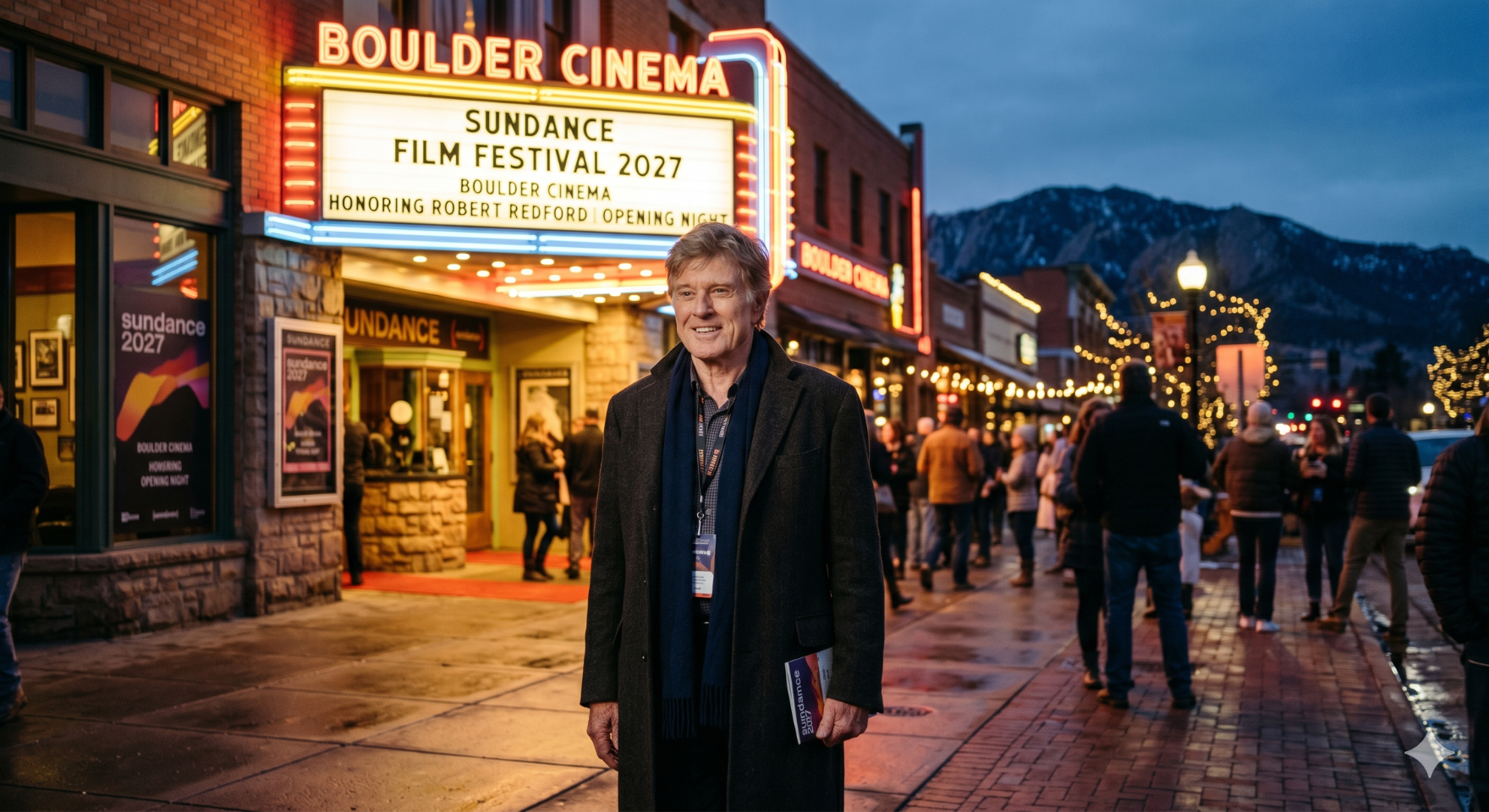
Sundance Finds a New Peak: Preparing for Boulder 2027
The cinematic landscape is set for a monumental transformation as the Sundance Film Festival, the venerable beacon of independent filmmaking, prepares to embark on a new chapter. After an exhaustive and highly competitive selection process, the Sundance Institute has officially announced that its iconic festival will relocate to the vibrant, innovative city of Boulder, Colorado, commencing with the January 21–31, 2027 edition. This historic move marks a pivotal moment for independent cinema, promising an exhilarating fusion of artistic discovery, technological advancement, and unparalleled natural beauty. Here is everything to know about Sundance Film Festival Boulder 2027.
For decades, Sundance has been synonymous with the snow-capped mountains of Park City, Utah, serving as the launchpad for countless groundbreaking films and careers. Now, as it seeks a new home to foster its evolving mission, Boulder emerges as the ideal partner—a city renowned for its intellectual prowess, entrepreneurial spirit, stunning Rocky Mountain backdrop, and deeply ingrained commitment to arts and culture. This relocation is not merely a change of address; it is a strategic evolution designed to elevate the festival experience, expand its reach, and reaffirm its commitment to supporting bold, independent voices in an ever-changing global media environment.
The excitement reverberating through the film community and within Boulder itself is palpable. This decision underscores a shared vision for innovation, sustainability, and community engagement. As we look ahead to 2027, the prospect of experiencing the world’s premier independent film festival against the majestic backdrop of the Flatirons, within a city that champions progressive thought and artistic expression, is nothing short of thrilling. It’s an opportunity to redefine the festival experience, creating a more accessible, technologically integrated, and environmentally conscious event that will undoubtedly set new benchmarks for cultural gatherings worldwide.
Sundance Film Festival Boulder 2027: Why Boulder is the Perfect New Home
The selection of Boulder as the new host city for the Sundance Film Festival represents a profound and historic shift for independent cinema. This decision was not made lightly, reflecting a meticulous evaluation of Boulder’s capacity to not only accommodate an event of Sundance’s magnitude but also to actively contribute to its future growth and artistic vision. Boulder offers a unique confluence of attributes that align perfectly with the festival’s ethos, promising to enrich the experience for filmmakers, industry professionals, and cinephiles alike.
Mountain Beauty Meets Tech-Savvy Arts Culture
Boulder’s distinctive character is defined by its extraordinary blend of natural splendor and cutting-edge innovation. Nestled at the base of the Rocky Mountains, the city provides a breathtakingly beautiful and inspiring setting. The iconic Flatirons offer a dramatic visual metaphor for the peaks of artistic achievement that Sundance champions. This majestic environment fosters a sense of wonder and creativity, providing a serene yet stimulating backdrop for intense cinematic exploration and discussion. Imagine engaging with a powerful documentary or an avant-garde short film, then stepping out to crisp mountain air and panoramic vistas—an experience that promises to be uniquely Boulder.
Beyond its aesthetic appeal, Boulder is a veritable hub of technological advancement and entrepreneurial spirit. It consistently ranks among the most innovative cities in the U.S., boasting a thriving ecosystem of tech startups, research institutions, and a highly educated populace. This tech-savvy culture provides an unparalleled opportunity for Sundance to integrate new media, virtual reality, augmented reality, and interactive storytelling into the festival experience. The convergence of film and technology can push the boundaries of narrative, offering filmmakers new tools for expression and audiences new ways to engage with cinematic art. Boulder’s progressive outlook means the festival can experiment with cutting-edge exhibition formats, digital distribution models, and immersive experiences that reflect the evolving nature of storytelling.
Academic Excellence and Community Engagement
A cornerstone of Boulder’s appeal is the esteemed University of Colorado Boulder. As a major research university, CU Boulder brings with it state-of-the-art facilities, a vibrant student body, and a deep well of academic expertise across a myriad of disciplines, including film studies, media arts, engineering, and environmental science. The university’s involvement is expected to be multifaceted, offering potential venues for screenings, panels, and workshops, while also fostering opportunities for student engagement, internships, and educational programming. This collaboration between a world-renowned film festival and a leading academic institution promises to create a dynamic environment for learning, mentorship, and the cultivation of future cinematic talent.
Furthermore, Boulder possesses a robust and passionate arts and culture scene that is eager to embrace Sundance. The city already hosts numerous festivals, galleries, and performance spaces, indicating a community that deeply values artistic expression. This existing infrastructure and appreciative audience base will provide a warm and welcoming environment for filmmakers and festival-goers. The strong emphasis on community engagement in Boulder aligns perfectly with Sundance’s mission to foster dialogue and connection through film, ensuring that the festival becomes an integral part of the city’s cultural fabric rather than just a temporary event.
Sustainability and Accessibility
Sundance has long championed environmental responsibility, and Boulder, consistently ranked among America’s greenest cities, offers an ideal partner in this endeavor. The city’s commitment to sustainability, renewable energy, and eco-friendly practices provides a strong foundation for the festival to enhance its own green initiatives. From sustainable transportation options to waste reduction programs, Boulder can help Sundance set new standards for environmentally conscious event planning, reflecting a shared commitment to global well-being.
Logistically, Boulder offers excellent accessibility. Its proximity to Denver International Airport (DIA), a major international hub, ensures convenient travel for attendees from around the globe. The city’s compact, walkable downtown, coupled with an efficient public transit system, will enhance the festival experience, making it easier for attendees to navigate between venues, attend events, and explore the city’s offerings. This combination of natural beauty, technological prowess, academic rigor, cultural vibrancy, and logistical convenience positions Boulder as an unparalleled setting for the next evolution of the Sundance Film Festival.
The New Cinematic Landscape: Venues and Experiences
With Sundance’s relocation, the focus now shifts to how Boulder will transform into a world-class festival hub. The city’s existing infrastructure, combined with planned enhancements, promises a unique and elevated experience for all participants.
CU Boulder: A Central Festival Nexus
The University of Colorado Boulder is poised to become a central nexus for the festival. Imagine state-of-the-art auditoriums, lecture halls, and media labs being repurposed for screenings, Q&As, and interactive exhibitions. CU Boulder‘s campus offers a controlled yet expansive environment, ideal for managing the flow of festival traffic and hosting a diverse range of events. We can anticipate significant investments in upgrading existing facilities and potentially developing new, purpose-built screening rooms equipped with the latest projection and sound technologies. These upgrades will not only serve the festival but also leave a lasting legacy for the university and the Boulder community, enhancing educational and cultural resources year-round.
Beyond the university, Boulder boasts a variety of potential venues. Historic theaters downtown, modern performance spaces, and even innovative pop-up cinemas could be utilized to create a decentralized yet cohesive festival footprint. The city’s walkable Pearl Street Mall area, with its array of shops, restaurants, and art galleries, will undoubtedly become a vibrant social hub, fostering spontaneous encounters and discussions among filmmakers and fans. The strategic distribution of venues will allow attendees to immerse themselves in different facets of Boulder while moving between cinematic experiences.
Beyond the Screen: A Holistic Festival Experience
The Sundance Film Festival’s presence in Boulder marks a shift from a traditional “theater-hop” to a fully integrated ecosystem. When the lights go up, the experience doesn’t end—it simply moves into the streets, the cafes, and the surrounding peaks. Boulder’s collaborative DNA replaces stiff networking events with authentic interactions. The city’s layout is built for this; you are just as likely to discuss a script in a sun-drenched Pearl Street coffee shop as you are to debate cinematography at a reception with the Flatirons as your backdrop. It’s a place where the barrier between “industry” and “community” naturally thins out.
Innovation in the Air
Given the city’s reputation as a tech powerhouse, this festival will serve as a laboratory for new forms of storytelling. We expect to see a significant emphasis on:
Virtual Reality (VR) Cinema: Immersive experiences that place the viewer inside the narrative.
Interactive Installations: Stories that react to the audience, pushing the boundaries of traditional film.
This isn’t just about watching movies; it’s about witnessing the future of how stories are told and consumed.
The Mountain Influence
The Colorado winter is a feature, not a bug. January’s snow adds a layer of quiet intensity to the festival. The local outdoor lifestyle ensures that the energy remains high, even in sub-freezing temperatures. Whether it’s a quick trail walk between screenings or a post-show gathering by a fire pit, the environment keeps the festival grounded in its unique sense of place. This is what truly sets the Boulder experience apart—it’s a festival that breathes the same crisp mountain air as its attendees.
Nuggets Face Elimination: 3 Keys to Force Game 6 vs. Timberwolves
The Denver Nuggets stand on the precipice, their championship defense hanging by a thread as they prepare for a do-or-die Game 5 against the Minnesota Timberwolves. Monday night at Ball Arena isn't just another game; it's a referendum on their season, their will, and their identity as reigning champions. The uninspiring effort witnessed in the second half of Saturday's Game 4 loss, which even kindly observers might call a collapse, has left the team in a precarious position. Media and fans alike have openly questioned the team's buy-in and collective spirit, putting immense pressure on Denver to deliver an emphatic response. To extend this series and keep their title hopes alive, the Nuggets must meticulously address three critical areas that will dictate their fate against a surging Timberwolves squad.
Key 1: Re-establishing Defensive Dominance and Containment
For much of their championship run last season and even during stretches of this one, the Nuggets have prided themselves on their defensive adaptability and grit. However, that defensive identity has been conspicuously absent in crucial moments against Minnesota. Anthony Edwards has frequently operated with relative freedom, carving up Denver's perimeter defense and exploding to the rim. Containing Edwards isn't just about one defender; it requires a collective, disciplined effort from all five players on the court. Switches must be crisp, closeouts contested, and help defense timely. Jamal Murray, Kentavious Caldwell-Pope, and Aaron Gordon will all share responsibilities, but the entire team needs to be locked in defensively from the opening tip.
Beyond Edwards, the Timberwolves' formidable frontcourt of Rudy Gobert and Karl-Anthony Towns presents a unique challenge. Limiting second-chance points and defending without fouling are paramount. Gobert's rebounding prowess has been a significant factor, granting Minnesota extra possessions that the Nuggets simply cannot afford to give away in an elimination game. Nikola Jokic, while an offensive maestro, must elevate his defensive presence, denying easy post-ups and rotating effectively. Furthermore, Denver's transition defense has been inconsistent. Minnesota thrives on pushing the pace after misses or turnovers, converting quick buckets before Denver can set its defense. Slowing down the Timberwolves' fast break and forcing them into half-court sets where Denver can establish its defensive schemes will be vital. This means sprinting back on defense after every shot, communicating effectively, and ensuring no easy leaks for Minnesota's athletic wings. The defensive intensity shown in their strongest moments last season needs to resurface, characterized by active hands, disciplined positioning, and a collective commitment to making every Minnesota possession arduous.
Key 2: Unleashing Consistent Offensive Flow and Role Player Contributions
While Nikola Jokic has been nothing short of spectacular, delivering MVP-caliber performances virtually every night, basketball remains a team sport. For the Nuggets to extend the series, they need more consistent offensive contributions from their supporting cast, and a more fluid, less stagnant offensive attack. Jamal Murray, the hero of so many playoff runs, has struggled with consistency and efficiency. His ability to create his own shot, break down defenses, and knock down crucial jumpers is indispensable. Denver needs Murray to find his rhythm early, attack the basket aggressively, and play with the confidence that defines his playoff legend. When Murray is engaged and scoring, it opens up the entire offense, relieving pressure on Jokic and creating better looks for everyone else.
Beyond the primary two, Michael Porter Jr.'s three-point shooting will be a significant swing factor. He's capable of getting hot quickly and changing the complexion of a game, but he needs to take smart shots within the flow of the offense and contribute to rebounding. Aaron Gordon's cutting, offensive rebounding, and opportunistic scoring in the paint are also crucial. His ability to finish strong at the rim and provide an athletic counterpoint to Minnesota's interior defense adds another dimension. The bench, which has largely been a non-factor, must also provide a spark. Whether it's Christian Braun's energy, Reggie Jackson's veteran scoring, or Justin Holiday's shooting, any positive contribution from the reserves will be a bonus. The Nuggets' championship offense is at its best when the ball is moving, players are cutting, and everyone is involved. Avoiding long stretches of isolation basketball, particularly when shots aren't falling, will be key to unlocking their full offensive potential and putting sustained pressure on the Timberwolves' vaunted defense.
Key 3: Mental Toughness, Leadership, and Playing with Desperation (Not Panic)
Perhaps the most intangible yet utterly essential key to extending the series is the Nuggets' mental fortitude. The snippet's reference to media questioning the team's buy-in highlights a critical concern. In an elimination game, championship teams don't just play hard; they play with a desperate urgency tempered by experience and calm. This means avoiding the emotional swings that can derail a team in high-stakes situations. The Nuggets must come out with an undeniable edge, a fire in their eyes that communicates their unwillingness to surrender their crown.
Coach Michael Malone's leadership will be vital in setting this tone, but the players themselves, particularly the veterans, must internalize it. Jokic, Murray, Gordon, and Caldwell-Pope have all been through tough playoff battles. They understand what it takes to win when their backs are against the wall. This is the moment for them to lead by example, maintaining composure under pressure, and rallying their teammates through inevitable runs from the Timberwolves. Playing with desperation doesn't mean playing recklessly; it means maximizing every possession, fighting for every loose ball, and believing in the game plan even when adversity strikes. It means showing the heart of a champion.
The crowd at Ball Arena will undoubtedly provide an electric atmosphere, but it's up to the players to channel that energy into focused aggression, not panic. Proving their 'buy-in' will be evident not just in their effort, but in their collective resilience and unwavering belief in each other, demonstrating that the 'bad place' they currently occupy is merely a temporary setback for a team with championship DNA.
Colorado 150: Your Ultimate Adventure Guide to the Centennial States Grand Celebration!
As a viral travel content strategist, I live for uncovering experiences that don't just fill your camera roll, but ignite your soul. And let me tell you, Colorado is about to unleash an adventure that will redefine your wanderlust. Forget everything you thought you knew about exploring the Centennial State, because the America 250 - Colorado 150 Digital Passport Program is here to transform your journey into an epic quest for discovery, rewards, and unforgettable memories.
Unlock Colorado's 150th Anniversary: Your Guide to Free Travel Rewards & Digital Passport Prizes!
Colorado is turning 150! That's a century and a half of breathtaking landscapes, pioneering spirit, and vibrant culture. To mark this monumental occasion, the state has launched an innovative, interactive program designed to get you off the beaten path and into the heart of what makes Colorado truly special. This isn't just a celebration; it's your golden ticket to exploring every corner of this magnificent state, earning incredible rewards along the way.
What is the Colorado 150 Digital Passport Program? Your Adventure Starts Here!
Imagine a gamified travel experience that rewards you for doing what you love most: exploring. The Colorado 150 Digital Passport is a free, mobile-exclusive program that encourages you to discover hundreds of unique attractions, hidden gems, and local businesses across all 64 counties. It's simple: sign up, check in at designated locations using your phone's GPS, and start racking up points. These points aren't just for bragging rights; they unlock entries into a sweepstakes for truly spectacular prizes.
Key Insights
This program is built around 16 distinct themed passports, each curated to guide you through specific aspects of Colorado's rich tapestry. Whether you're a nature enthusiast, a history buff, a food critic, or an art aficionado, there's a passport designed just for you. Here are just a few examples:
Live Music Lover: Discover iconic venues and intimate stages across the state.
Family Fun Explorer: Find kid-friendly attractions, parks, and educational sites.
Arts & Culture Connoisseur: Immerse yourself in galleries, museums, and performing arts.
Outdoor Adventurer: Seek out hiking trails, scenic overlooks, and thrilling activities.
History Buff: Journey through Colorado's past, from ancient cultures to mining towns.
Eat & Drink Local: Savor the flavors of Colorado's diverse culinary scene.
Each time you complete a themed passport, you earn bonus points and get closer to those grand prizes. This layered approach ensures that every type of traveler finds their niche, while also encouraging exploration beyond their usual comfort zones.
The Ultimate Quest: The 64 County Challenge!
For the truly ambitious, the Colorado 150 Digital Passport presents the ultimate test of endurance and discovery: The 64 County Challenge. That's right, Colorado boasts 64 counties, each with its own unique charm, history, and natural beauty. Checking in at a designated location in every single one of them is the pinnacle of this program, a badge of honor for the most dedicated explorers. This isn't just about ticking boxes; it's about understanding the incredible diversity of Colorado, from the bustling urban centers of the Front Range to the serene plains of the east and the majestic mountains of the west.
Imagine the stories you'll collect, the landscapes you'll witness, and the local characters you'll meet as you traverse the entire state. The 64 County Challenge is more than just a goal; it's a transformative journey that will deepen your appreciation for Colorado in ways you never thought possible. It's a commitment, an adventure, and a testament to your spirit of exploration.
The Thrill of the Challenge: Rewards That Will Take You Further!
Now, let's talk about the prizes. Because while the joy of discovery is its own reward, a little extra incentive never hurts, especially when it involves future travel! The Colorado 150 Digital Passport Program offers truly enticing incentives for participants. As you accumulate points through check-ins and completed passports, you earn entries into a sweepstakes with incredible prizes:
Monthly Prize Draws: Participants have the chance to win a $500 United travel credit, allowing you to fuel your next adventure, whether it's returning to Colorado or exploring a new destination. Imagine what you could do with an extra $500 towards flights!
The Grand Prize: The ultimate reward for the most dedicated explorers is a staggering 150,000 United MileagePlus miles! This grand prize is a game-changer, opening up a world of possibilities for international travel, luxurious domestic flights, or even upgrades that make your journey truly exceptional. Think of the destinations you could reach with 150,000 miles – a true testament to your Colorado exploration!
These prizes aren't just random giveaways; they're designed to empower your future travels, making your Colorado 150 journey not just an experience in itself, but a springboard for even more adventures. Every check-in, every completed passport brings you closer to these incredible travel rewards.
Do Colorado Right: Responsible Exploration for a Sustainable Future
As a content strategist, I advocate not just for travel, but for responsible travel. The Colorado 150 Digital Passport program beautifully integrates the "Do Colorado Right" ethos, encouraging visitors and locals alike to explore with respect and mindfulness. This isn't just a catchy phrase; it's a commitment to preserving the pristine beauty and unique culture of the Centennial State for generations to come.
What does it mean to "Do Colorado Right"?
Leave No Trace: Pack out everything you pack in. Stick to designated trails. Respect wildlife and natural habitats.
Support Local: Spend your dollars at local businesses, from family-owned restaurants to independent shops. This directly contributes to the communities you visit.
Be Prepared: Colorado's weather and terrain can be unpredictable. Carry appropriate gear, plenty of water, and know your limits.
Respect the Land: Whether it's public lands, private property, or tribal lands, treat them with the respect they deserve.
Be Kind: To fellow travelers, to locals, and to the environment. A little kindness goes a long way.
By participating in the Colorado 150 program, you're not just earning points; you're actively engaging in a movement to protect and cherish this incredible state. Many check-in locations highlight businesses and attractions that embody these principles, making your journey both rewarding and impactful. Learn more about how to make a difference at Do Colorado Right.
Eat & Drink Local: A Delicious Journey Through Colorado's Culinary Scene
No adventure is complete without savoring the local flavors, and the "Eat & Drink Local" theme of the Colorado 150 program is a true highlight. Colorado's culinary landscape is as diverse as its geography, offering everything from award-winning farm-to-table restaurants in Denver to cozy mountain cafes, innovative craft breweries, and unique distilleries. This passport encourages you to taste your way through the state, supporting local producers and experiencing the authentic taste of Colorado.
Imagine:
Sipping on a locally brewed IPA in a vibrant Denver taproom.
Devouring a Palisade peach straight from the orchard in Western Colorado.
Enjoying a hearty, locally sourced meal after a day of hiking in the Rockies.
Discovering a hidden gem coffee shop in a charming small town.
Sampling award-winning wines from the Grand Valley or high-altitude spirits from a mountain distillery.
Each culinary check-in not only adds to your point total but also connects you with the passionate individuals who are shaping Colorado's food and beverage scene. It's a delicious way to immerse yourself in the culture and economy of each region you visit.
As your viral travel content strategist, I'm here to give you the inside scoop. While the iconic destinations like Rocky Mountain National Park and Aspen are incredible, the real magic often lies in the lesser-known locales that offer authentic experiences and unique check-in opportunities for your Colorado 150 passport. Let's craft a mini "Pro-Traveler" itinerary to inspire your journey:
Day 1: East to the Plains - Fort Morgan's Historic Charm
Begin your adventure by heading east to Fort Morgan, a charming city on Colorado's eastern plains. This isn't your typical mountain town, and that's precisely its appeal. Fort Morgan offers a rich history and a genuine sense of community, perfect for a unique passport check-in.
Morning: Historic Downtown Exploration & Check-in: Start your day with a stroll through Fort Morgan's historic downtown. Admire the architecture, pop into local shops, and grab a coffee at a family-owned cafe. Many of these historic buildings or local businesses will be designated check-in points for the "History Buff" or "Eat & Drink Local" passports.
Late Morning: Fort Morgan Museum: Dive deeper into the area's past at the Fort Morgan Museum. Learn about the Ute Trail, the city's military history, and the agricultural roots of the plains. This is a prime check-in for the "History Buff" passport.
Lunch: Local Flavor: Enjoy lunch at a local diner or restaurant, savoring classic American fare or perhaps some delicious Mexican cuisine, a staple in many Colorado communities. This counts towards "Eat & Drink Local."
Afternoon: Pawnee National Grassland (Optional Detour): If you have time and a spirit for wide-open spaces, take a scenic drive north to the Pawnee National Grassland. While not directly in Fort Morgan, it's a testament to the diverse landscapes of Eastern Colorado and offers incredible birdwatching and hiking opportunities.
Why Fort Morgan? It showcases a different side of Colorado, one often overlooked, and provides easy check-ins for multiple passport themes, especially "History Buff" and "Eat & Drink Local."
Day 2-3: Southwest to the San Juans - Creede's Mining & Arts District
Next, embark on a journey southwest to Creede, a former silver mining town nestled deep in the San Juan Mountains. This remote gem is renowned for its dramatic landscape, rich mining history, and vibrant arts scene, making it a goldmine for passport check-ins.
Arrival & Check-in: Creede Repertory Theatre: Upon arrival, immerse yourself in Creede's surprising cultural heart. The Creede Repertory Theatre is an award-winning professional theatre company, a true jewel in the mountains. A visit or attending a performance is a perfect check-in for the "Arts & Culture Connoisseur" passport.
Mining History & Underground Check-ins: Explore Creede's mining past. Take the Bachelor Loop Historic Tour (self-guided or guided) to see old mines and ghost towns. The Creede Underground Mining Museum, carved into a mountain, is an absolute must-see and a fantastic check-in for "History Buff."
Art Gallery Hopping: Stroll through Creede's charming main street, dotted with unique art galleries. Many local artists draw inspiration from the stunning surroundings. Each gallery visit can count towards "Arts & Culture."
Scenic Drives & Outdoor Exploration: Creede is surrounded by unparalleled natural beauty. Drive a portion of the Silver Thread Scenic Byway for breathtaking views, or enjoy a short hike to a scenic overlook. These natural wonders are perfect for "Outdoor Adventurer" check-ins.
Eat & Drink Local in Creede: Enjoy meals at Creede's cozy local eateries, from hearty breakfast spots to dinner establishments offering comfort food with a Colorado twist. Support these small businesses for "Eat & Drink Local" points.
Why Creede? It offers a potent combination of history, arts, and incredible natural beauty, all in a single, charming location, making it ideal for multi-passport check-ins and a truly memorable experience.
How to Maximize Your Colorado 150 Journey
Plan Your Routes: Group check-ins logically to minimize driving and maximize exploration time. The app's map feature is your best friend!
Mix & Match Passports: Don't stick to just one! A single trip can often contribute to multiple themed passports (e.g., a historic brewery is "History Buff" and "Eat & Drink Local").
Engage on Social Media: Share your adventures using #Colorado150 and #DoColoradoRight. You might inspire others and even discover new spots!
Read the Details: Each check-in location has specific instructions. Make sure you're at the correct spot to register your visit.
Patience for the 64 County Challenge: This is a marathon, not a sprint. Enjoy the journey, embrace detours, and celebrate each county you conquer.
Ready to Launch Your Colorado Adventure?
The America 250 - Colorado 150 Digital Passport Program is more than just a contest; it's an invitation to rediscover a state that continues to inspire awe and adventure. It's a chance to connect with Colorado's rich past, vibrant present, and promising future, all while earning incredible travel rewards that will keep your wanderlust burning bright.
So, what are you waiting for? Sign up for your free digital passport today, lace up your boots, pack your bags, and get ready to embark on the ultimate Colorado quest. The mountains are calling, the plains are waiting, and the rewards are within your reach!
Tell us in the comments below: Which of the 16 themed passports are you starting first? Are you going for the "Live Music Lover," the "Family Fun Explorer," the "Arts & Culture Connoisseur," or something else entirely? We can't wait to hear about your adventure!
Contains information related to marketing campaigns of the user. These are shared with Google AdWords / Google Ads when the Google Ads and Google Analytics accounts are linked together.
90 days
__utma
ID used to identify users and sessions
2 years after last activity
__utmt
Used to monitor number of Google Analytics server requests
10 minutes
__utmb
Used to distinguish new sessions and visits. This cookie is set when the GA.js javascript library is loaded and there is no existing __utmb cookie. The cookie is updated every time data is sent to the Google Analytics server.
30 minutes after last activity
__utmc
Used only with old Urchin versions of Google Analytics and not with GA.js. Was used to distinguish between new sessions and visits at the end of a session.
End of session (browser)
__utmz
Contains information about the traffic source or campaign that directed user to the website. The cookie is set when the GA.js javascript is loaded and updated when data is sent to the Google Anaytics server
6 months after last activity
__utmv
Contains custom information set by the web developer via the _setCustomVar method in Google Analytics. This cookie is updated every time new data is sent to the Google Analytics server.
2 years after last activity
__utmx
Used to determine whether a user is included in an A / B or Multivariate test.
18 months
_ga
ID used to identify users
2 years
_gali
Used by Google Analytics to determine which links on a page are being clicked
30 seconds
_ga_
ID used to identify users
2 years
_gid
ID used to identify users for 24 hours after last activity
24 hours
_gat
Used to monitor number of Google Analytics server requests when using Google Tag Manager
1 minute
Marketing cookies are used to follow visitors to websites. The intention is to show ads that are relevant and engaging to the individual user.
A video-sharing platform for users to upload, view, and share videos across various genres and topics.
Registers a unique ID on mobile devices to enable tracking based on geographical GPS location.
1 day
VISITOR_INFO1_LIVE
Tries to estimate the users' bandwidth on pages with integrated YouTube videos. Also used for marketing
179 days
PREF
This cookie stores your preferences and other information, in particular preferred language, how many search results you wish to be shown on your page, and whether or not you wish to have Google’s SafeSearch filter turned on.
10 years from set/ update
YSC
Registers a unique ID to keep statistics of what videos from YouTube the user has seen.
Session
DEVICE_INFO
Used to detect if the visitor has accepted the marketing category in the cookie banner. This cookie is necessary for GDPR-compliance of the website.
179 days
LOGIN_INFO
This cookie is used to play YouTube videos embedded on the website.