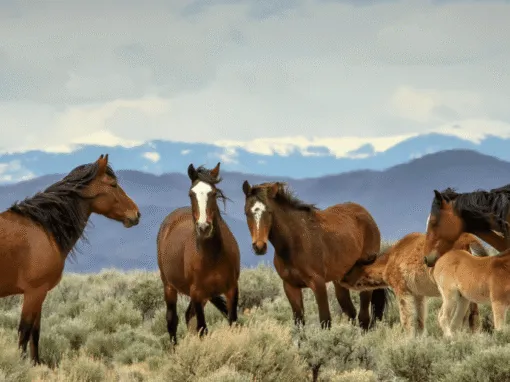
Exploring colorado wildlife in their natural habitat ranks among the most thrilling experiences our state offers. From majestic elk herds to elusive moose and agile bighorn sheep, colorado wildlife encounters create unforgettable memories. Whether you’re hiking alpine trails or exploring wetland areas, understanding how to respectfully observe colorado wildlife ensures these magical moments remain safe and joyful. This guide shares expert tips for responsible colorado wildlife viewing that protects both you and our remarkable animal neighbors.
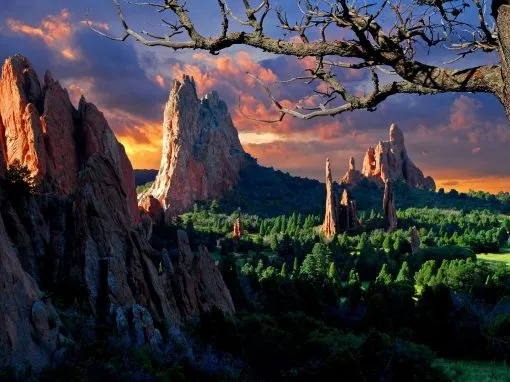
Oh, Colorado! There’s just something truly special about living in a place where breathtaking mountain vistas meet the vibrant pulse of nature, often in the most unexpected and wonderful ways. One of the absolute biggest joys of calling the Centennial State home (or even just visiting!) is the incredible opportunity to witness our majestic wildlife thriving in their natural habitat. Imagine hiking a peaceful trail, soaking in the crisp mountain air, and suddenly, there they are – a magnificent elk herd grazing in an alpine meadow, a bighorn sheep perched precariously on a rocky outcrop, or even the elusive, awe-inspiring moose quietly enjoying a marshy area. Truly magical moments, right?
These encounters are more than just a photo opportunity; they’re a profound reminder of the wild beauty that defines our state and the sheer privilege we have to coexist with such remarkable creatures. At “Lucky To Live In Colorado,” we’re all about celebrating these unique experiences and ensuring that every interaction is a positive, respectful, and joyful one for both you and our furry (or feathery!) neighbors. So, let’s chat about how to fully embrace the wonder of Colorado’s wild side and become the best kind of neighbor to our animal friends!
Colorado Wildlife Species: Majestic Residents You’ll Meet
Colorado is a haven for an astonishing array of wildlife, each playing a vital role in our diverse ecosystems. While moose often steal the spotlight with their impressive size and serene demeanor, our mountains, forests, and plains are bustling with so many other fascinating species. Picture this:
Elk: The Mountain Monarchs
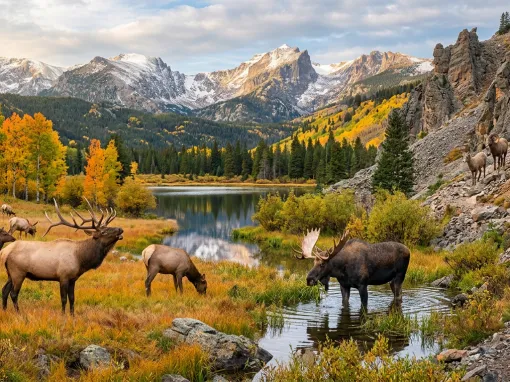
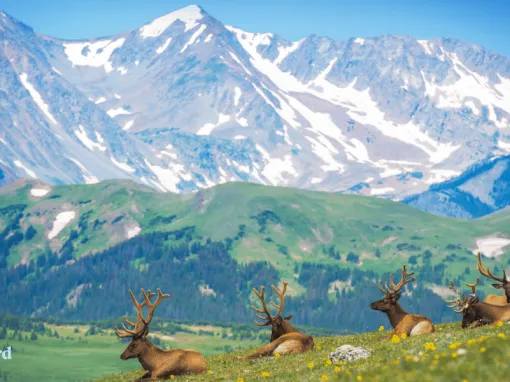
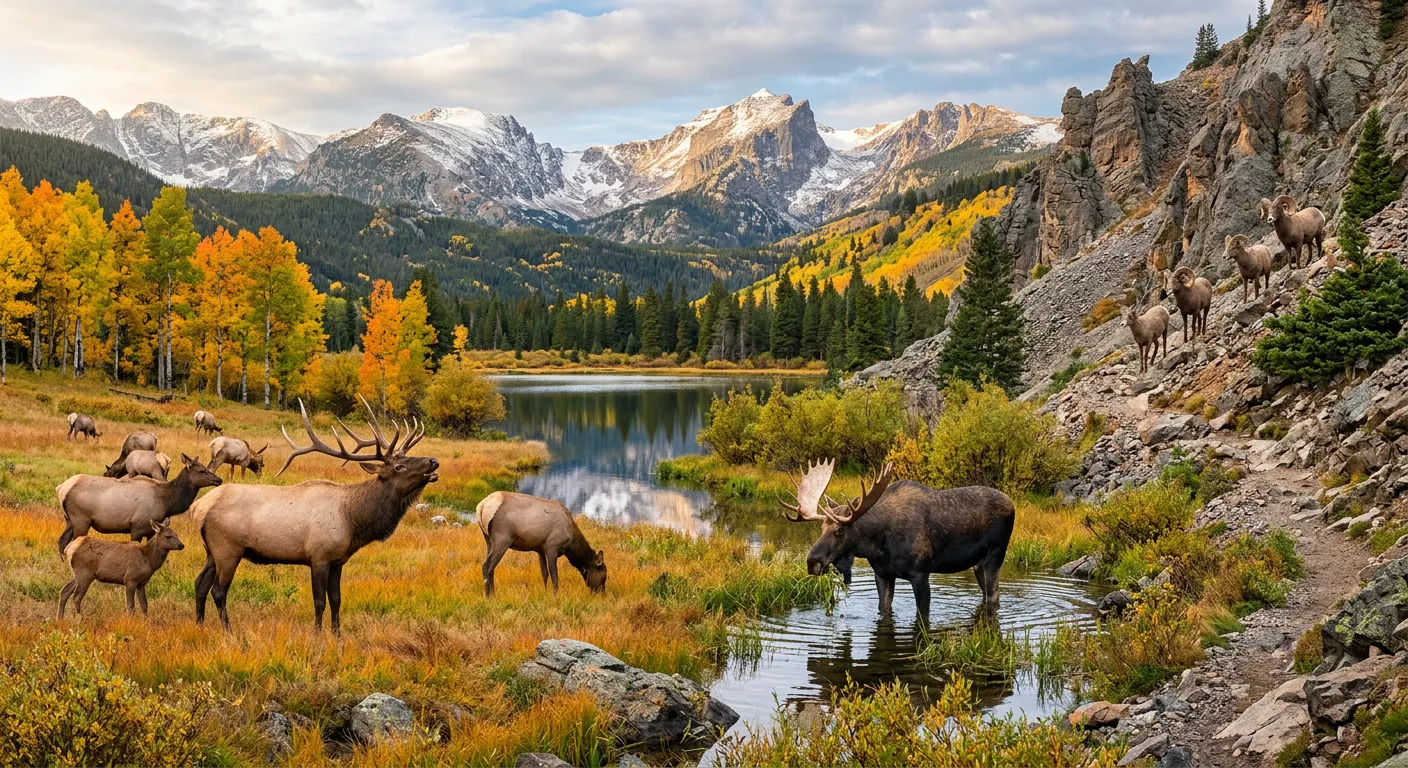
Without a doubt, elk are one of Colorado’s most iconic animals. Their graceful movements, majestic antlers (on the males, of course!), and the haunting bugle call in the fall are unforgettable. You’ll often spot them in herds, particularly at dawn and dusk, in meadows and near forest edges. Areas like Rocky Mountain National Park are famous for their abundant elk populations, offering incredible viewing opportunities.
Bighorn Sheep: Agile Mountain Climbers
Our state animal, the bighorn sheep, is a marvel of adaptation, navigating steep, rocky terrain with incredible agility. Their impressive, curled horns make them instantly recognizable. Catching a glimpse of these hardy creatures scaling a cliff face is a truly inspiring sight, symbolizing the rugged beauty of Colorado itself.
Moose: Gentle Giants of the Wetlands
Yes, we have moose in Colorado too, and they are absolutely magnificent! While not as widespread as in some other regions, Colorado’s moose populations are thriving, particularly in wetland areas and willow thickets in the northern and western parts of the state. Their sheer size and distinctive antlers (often palmate, like a wide hand) make them an incredible sight. Seeing a moose peacefully munching on vegetation is a moment you won’t soon forget, and it reminds us of the incredible diversity our state offers.
Beyond the Big Three: A Kaleidoscope of Creatures
But the wildlife wonders don’t stop there! Keep an eye out for curious mule deer, swift foxes, playful marmots, graceful eagles soaring overhead, and even the occasional black bear (more on them in a moment!). Each sighting adds a layer of magic to your outdoor adventures, connecting you deeper to the wild heart of Colorado.
Responsible Colorado Wildlife Viewing: Tips for Safe Encounters
Part of the joy of living in a place teeming with wildlife is learning how to share our beautiful spaces respectfully. It’s all about ensuring that our adventures are positive for everyone involved – us, the animals, and the pristine environments we cherish. Here are some fantastic ways to be a superb neighbor to Colorado’s wild residents:
Give Them Space: The Golden Rule
Imagine someone getting uncomfortably close to you when you’re just trying to relax – animals feel the same way! The best rule of thumb is to give all wildlife plenty of room. A good guideline is at least 25 yards (three bus lengths) from most animals, and at least 100 yards (a football field) from larger predators like bears and mountain lions. This isn’t about fear; it’s about respect. Giving animals space allows them to continue their natural behaviors undisturbed, which is crucial for their well-being and ensures a peaceful, safe experience for you.
Admire, Don’t Interact: Hands Off, Photos On!
It’s tempting to want to get closer or offer a snack, but resist the urge! Feeding wildlife, even seemingly harmless bits, can do more harm than good. It can make animals dependent on humans, alter their natural foraging behaviors, and even lead to aggression. Plus, human food is often detrimental to their health. Instead, bring your binoculars or a telephoto lens and capture those amazing memories from a distance. A fantastic resource for understanding wildlife and respectful viewing is Colorado Parks and Wildlife (CPW) – their website is packed with helpful information!
Stay on Trails: Protect Their Homes
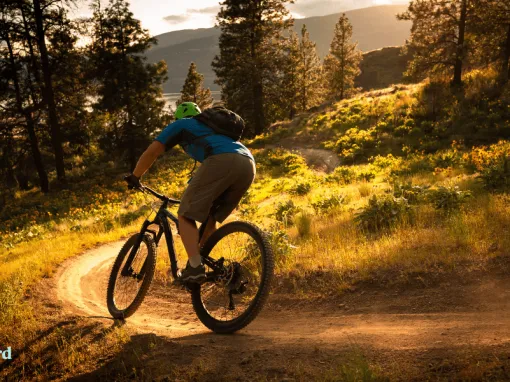
When you’re out exploring Colorado’s incredible trail systems, remember that those trails are there for a reason! Sticking to designated paths helps protect fragile habitats, minimizes disturbance to nesting and denning sites, and prevents soil erosion. Plus, it often keeps you in areas where wildlife is more accustomed to human presence, making encounters more predictable and pleasant for all.
Make Some Noise (Gently!): No Surprises, Please!
While out hiking, especially in areas with dense vegetation or limited visibility, it’s a good idea to make some noise. Chat with your companions, sing a little tune, or periodically call out. This isn’t about scaring animals away, but rather giving them an early heads-up that humans are approaching, preventing a sudden, startling encounter for both parties. Surprising an animal can lead to defensive reactions.
Secure Your Scents: Keep it Clean
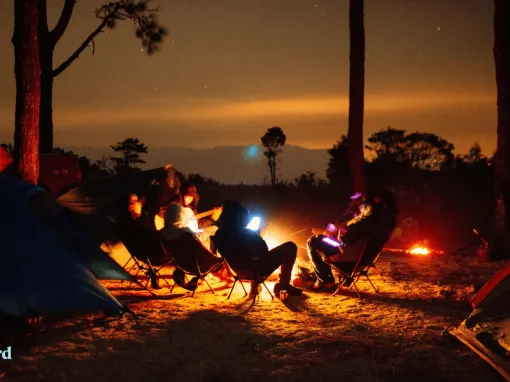
If you’re camping or picnicking, always store your food, trash, and anything with a strong scent (like toothpaste or deodorant) in bear-resistant containers or hung from a tree. Animals, especially bears, have an incredible sense of smell and are very opportunistic. By securing your attractants, you prevent unwanted visits and help keep wildlife wild.
Know What to Do If an Animal Seems Agitated
Most wildlife encounters are peaceful and awe-inspiring. However, if an animal appears agitated (e.g., stomping hooves, snorting, lowering its head), it’s signaling that it feels threatened. The best thing to do is slowly and calmly back away, giving the animal more space. Never run, as this might trigger a chase response. Maintain eye contact if it’s a predator, but generally, slowly retreat and make yourself look big if you need to.
Connecting with Colorado’s Wild Heart
Experiencing Colorado’s wildlife is truly one of the most enriching parts of living here. It fosters a deeper appreciation for the intricate natural world around us and reminds us of our role as stewards of these incredible lands. By following these simple, positive practices, we ensure that every outdoor adventure is filled with wonder, respect, and unforgettable memories for generations to come.
So, grab your binoculars, lace up your hiking boots, and head out into our magnificent state. With a little awareness and a whole lot of respect, you’re all set to enjoy the magic of Colorado’s wild inhabitants, making every outing a joyous celebration of our “Lucky To Live In Colorado” lifestyle!
Want to dive deeper into how to enjoy Colorado responsibly? Check out these fantastic Leave No Trace Principles for Colorado!
Source: Unofficial Networks
Related reading: Colorado state parks adventures · exploring wilderness areas · outdoor stewardship efforts