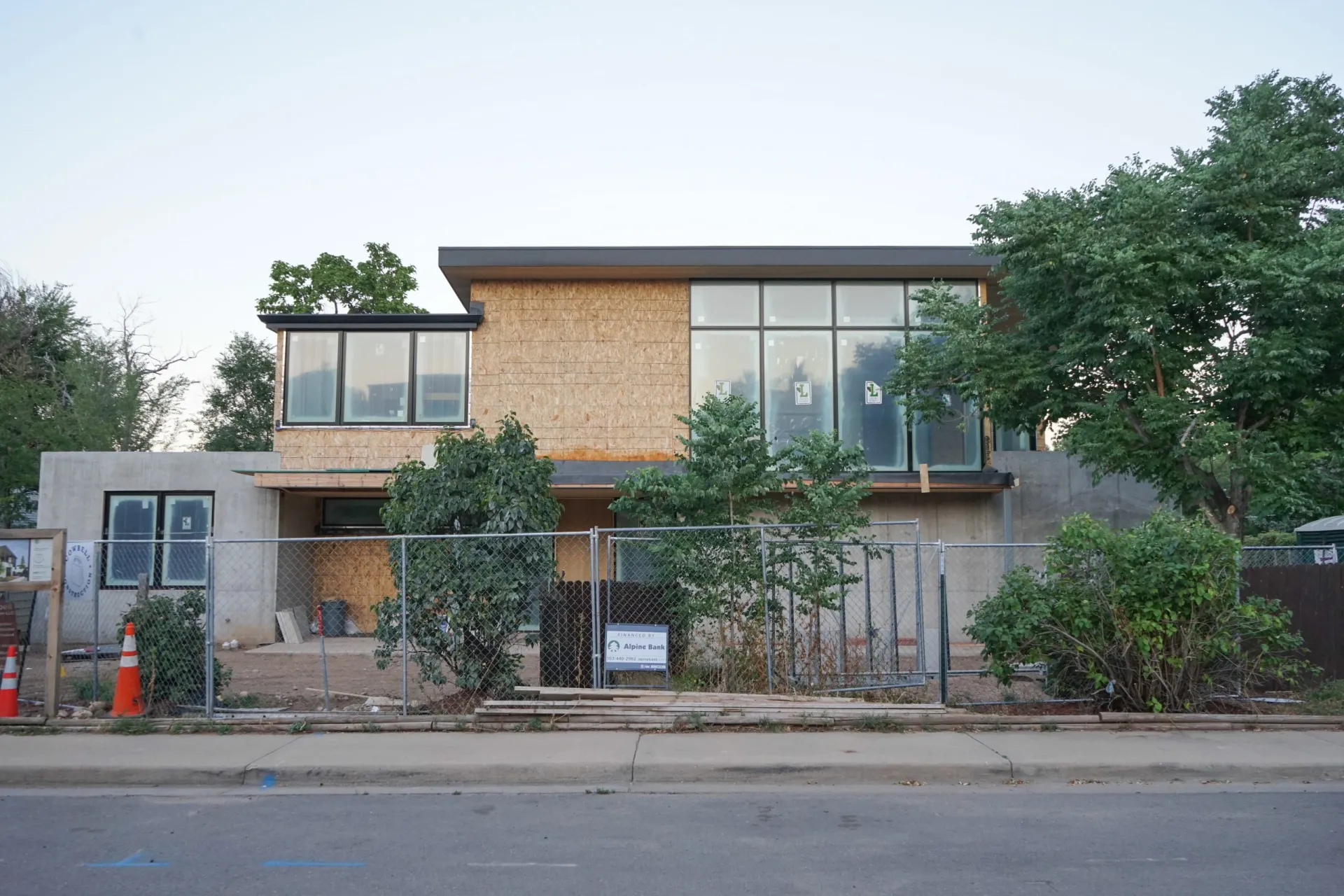
The Boulder Affordable Housing Impact Fee is moving toward final approval after the Boulder Planning Board voted unanimously on Sept. 2 to recommend it for adoption by city council. The new charge would apply to property owners who demolish homes and replace them with larger ones, or who build substantial additions, closing a longstanding loophole in the city’s affordable housing program.
What Is the Boulder Affordable Housing Impact Fee?
The Housing Advisory Board also voted to recommend the ordinance on Aug. 27, and city council votes are scheduled for Oct. 9 and Oct. 23. If approved, the fee would take effect Jan. 31, 2026.
A study commissioned by the city, published earlier this year, found that smaller, relatively affordable homes are often replaced with multimillion-dollar redevelopments worth up to $3.5 million more than the originals. These projects drive up demand for attainable housing, and the influx of higher-income residents increases demand for local goods and services, which in turn requires more subsidized housing. Under current law, most owners of single-family teardown-and-rebuild projects have their contributions to the city’s affordable housing program waived, despite the impact tied to their redevelopments. The new fee is meant to close this loophole.
How Much Will It Cost Boulder Homeowners?
Two types of residential development would be subject to the fee: replacement homes and substantial additions. It would run $15 per new square foot. Replacement homes would receive credit for the demolished area, while home additions get a one-time exemption of 500 square feet.
Unlike water and sewage impact fees, which cap charges at homes of 3,700 square feet, this fee would have no maximum. Larger homes are seen as directly increasing the need for additional affordable housing, Senior Housing Manager Jay Sugnet told the Planning Board. The fee is projected to generate about $1.2 million annually, and all impact fees will be updated every year as part of the city’s budgeting process.
Who Is Exempt from the New Fee?
Several categories of projects would be exempt. Homes under 2,000 square feet and accessory dwelling units (ADUs) are excluded, and renovations that don’t increase a home’s overall size would not be impacted at all. City staff are still working to clarify exactly how basement square footage will be treated under the ordinance.
What This Means for Boulder Homeowners
Planning Board members generally supported the ordinance, saying it would have limited impact on low- and middle-income families while advancing the city’s broader housing affordability efforts. If you’re planning a teardown-rebuild or a large addition in Boulder, it’s worth factoring the Boulder Affordable Housing Impact Fee into your project budget well before you file for permits, since it would apply as soon as the ordinance takes effect in early 2026.
For homeowners weighing a major remodel against a full rebuild, understanding how this fee interacts with Boulder’s broader real estate market — and with related policy shifts like the city’s approach to short-term rentals — can help clarify the full cost picture before committing to a project.
Boulder Affordable Housing Impact Fee: Quick Facts
- Fee amount: $15 per new square foot on qualifying teardown-rebuild and addition projects
- Effective date: Jan. 31, 2026, pending city council approval on Oct. 9 and Oct. 23
- Exemptions: Homes under 2,000 square feet, ADUs, and additions up to 500 square feet
- Projected revenue: About $1.2 million per year for Boulder’s affordable housing program