Trial over Xcel’s liability in the Marshall Fire begins this week
The Marshall Fire trial marks a pivotal moment for Colorado wildfire accountability. As proceedings unfold against Xcel Energy, the Marshall Fire case brings unprecedented legal scrutiny to utility liability. With over 4,000 Marshall Fire victims seeking justice, this Marshall Fire litigation could reshape how power companies manage wildfire risk across the state.
Update, Sept. 24, 2025: Xcel and two telecom companies agreed to a $640 million settlement in the Marshall Fire lawsuits. The trial was canceled.
Marshall Fire Trial Background
A trial over Xcel Energy’s potential liability in the 2021 Marshall Fire, Colorado’s most destructive wildfire, begins this week.
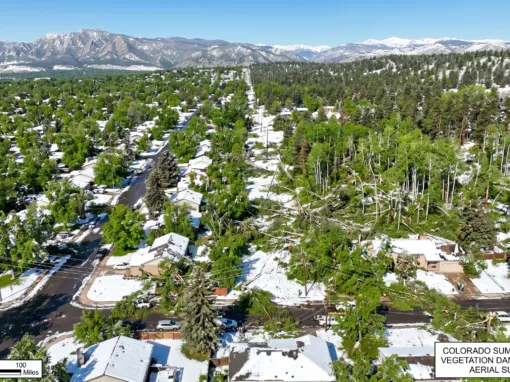
The Marshall Fire ranks as the most destructive wildfire in Colorado history in terms of structures lost, destroying more than 1,000 homes and businesses across Louisville, Superior and unincorporated Boulder County in a matter of hours on Dec. 30, 2021. Fueled by hurricane-force winds exceeding 100 mph and an unusually dry late-December landscape, the fire forced tens of thousands of residents to evacuate with little warning, and its scale helped turn the Marshall Fire litigation into one of the largest wildfire liability cases in Colorado history.
The case also reflects a broader trend across the American West, where utilities increasingly face significant liability exposure tied to wildfire ignition. In response, companies like Xcel Energy and other investor-owned utilities have been investing more heavily in vegetation management, grid hardening and public safety power shutoff protocols during high-wind events. For Colorado homeowners, the Marshall Fire case has also renewed attention on the importance of reviewing homeowners insurance coverage and understanding natural hazard disclosure requirements when buying or selling property in wildfire-prone areas of the Front Range.
Settlements of this size in mass wildfire litigation typically take months to distribute, as court-supervised claims administrators verify each plaintiff’s documented losses, including property damage, smoke remediation costs and lost income, before releasing individual payouts to the thousands of Marshall Fire households involved in the case. For Boulder County residents who lived through the Dec. 30, 2021 fire, the settlement marks a significant, if long-delayed, step toward closure after years of rebuilding homes, replacing possessions and navigating insurance claims in the fire’s aftermath.
The trial, expected to last about two months, involves more than 4,000 plaintiffs, including homeowners, business owners and insurance companies. They argue Xcel is responsible for one of two fires that merged on Dec. 30, 2021, leaving the utility exposed to hundreds of millions of dollars in potential damages.
Investigators traced one ignition to smoldering embers from a controlled burn on the property of the Twelve Tribes, a religious sect, according to a report from local law enforcement. The other fire began about an hour later near the Marshall Mesa Trailhead, where winds up to 100 mph allegedly knocked an Xcel power line loose from its insulator, releasing hot particles that ignited dry grass.
Plaintiffs say Xcel was negligent for failing to maintain its equipment and surrounding vegetation and for not shutting off power during dangerous wind conditions. Xcel has denied that its power lines caused the fire, arguing that evidence of a power line fire alone does not prove negligence. If found liable, a separate proceeding will determine damages. Plaintiffs are seeking compensation for destroyed property, smoke damage, evacuation costs, lost income and emotional distress, among other consequences of the fire.
Xcel has prepared thousands of exhibits for the trial, which is likely to feature detailed testimony on fire science, weather and the power grid. Jury selection is expected to take the first two days, with opening statements scheduled for next week. The trial is set to be livestreamed from courtroom G beginning Sept. 25 at 8 a.m.
Related
Related reading: Colorado adventure home protection · mountain living safety tips · environmental stewardship Colorado volunteers · natural hazard disclosure requirements