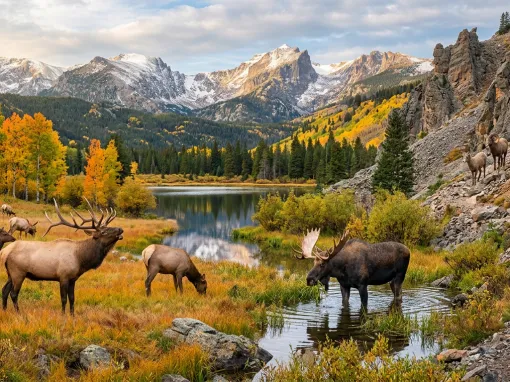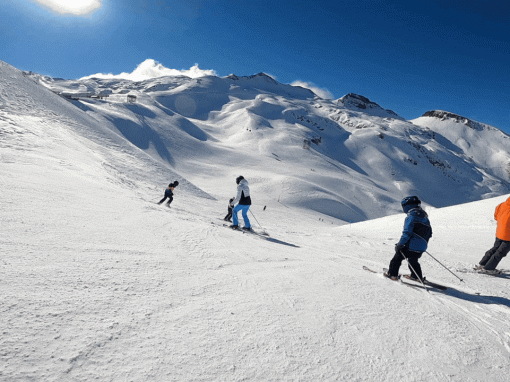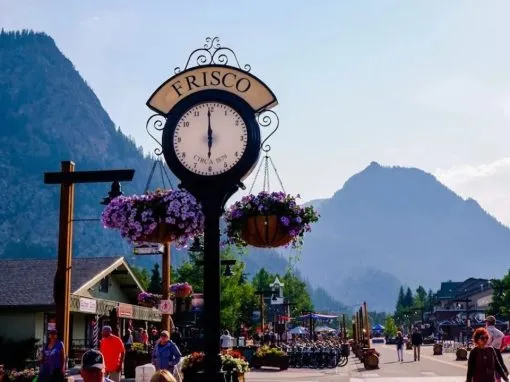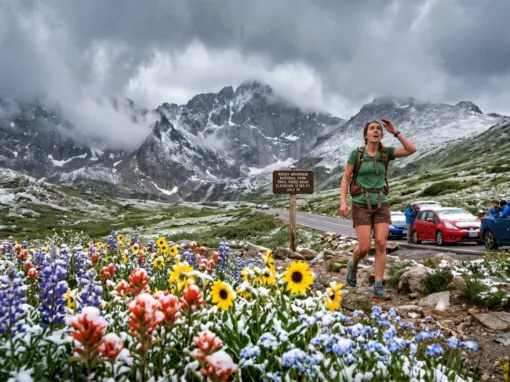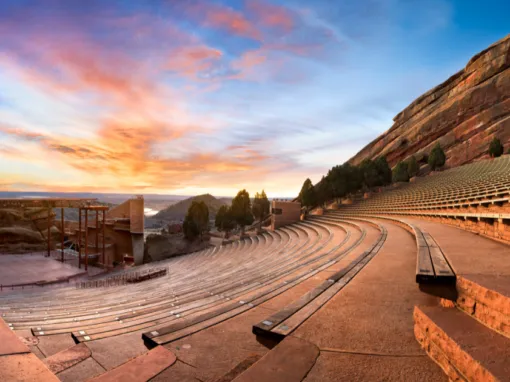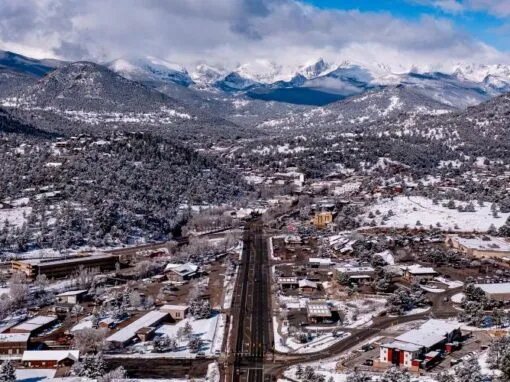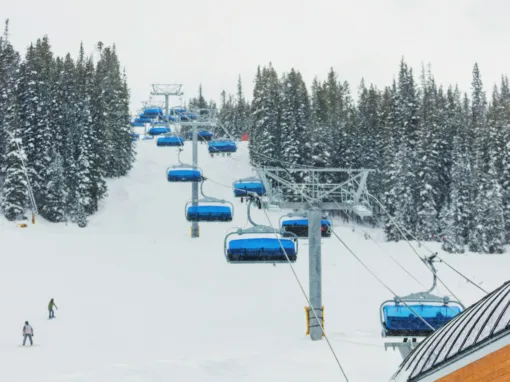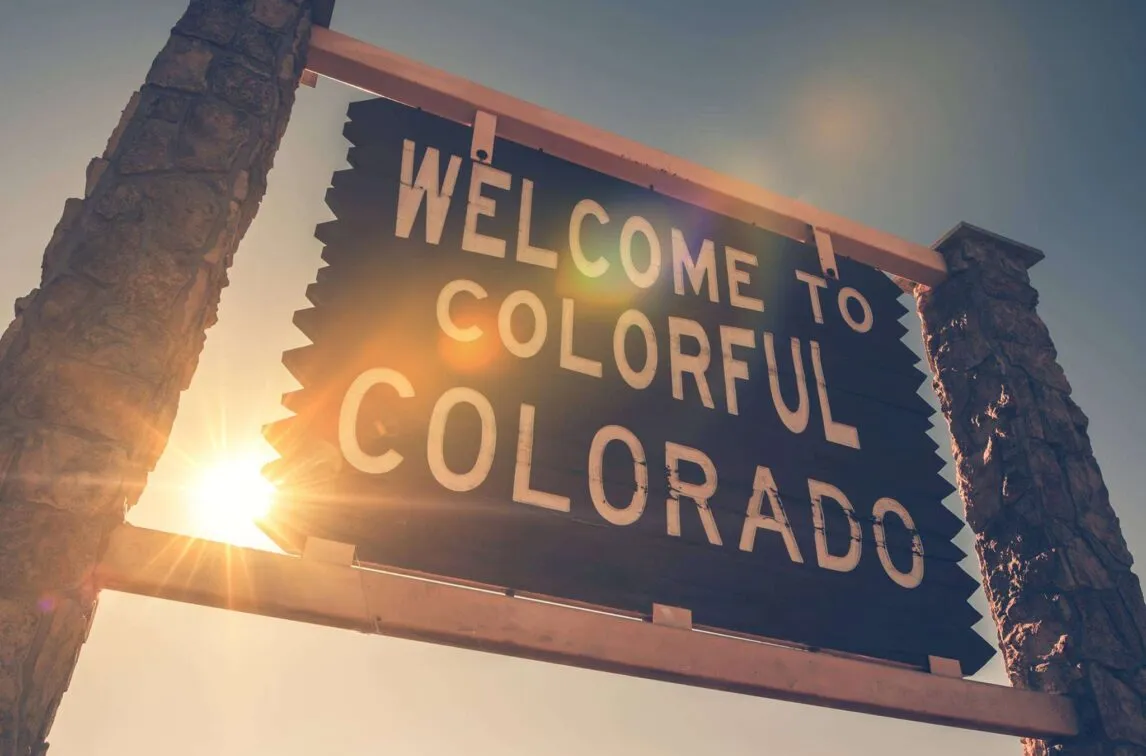
Colorado photography offers endless opportunities to capture breathtaking mountain peaks, vibrant wildflower meadows, and dramatic alpine sunsets. Whether you’re exploring Rocky Mountain National Park or hidden Summit County trails, colorado photography transforms everyday adventures into stunning visual stories. From golden aspens to powder-covered slopes, mastering colorado photography techniques helps you preserve Colorado’s spectacular beauty. This guide reveals the essential locations, timing strategies, and creative approaches that elevate your colorado photography portfolio from ordinary snapshots to gallery-worthy masterpieces.
Essential Colorado Photography Locations
Colorado’s diverse terrain gives photographers an incredible range of subjects, from jagged fourteeners to high desert mesas and glassy alpine lakes. The following locations are consistently among the most rewarding for colorado photography, whatever the season.
Maroon Bells and the Elk Mountains
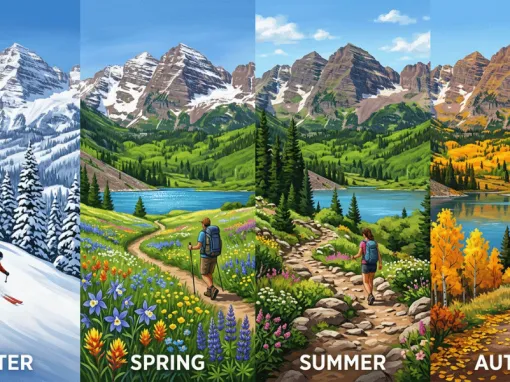
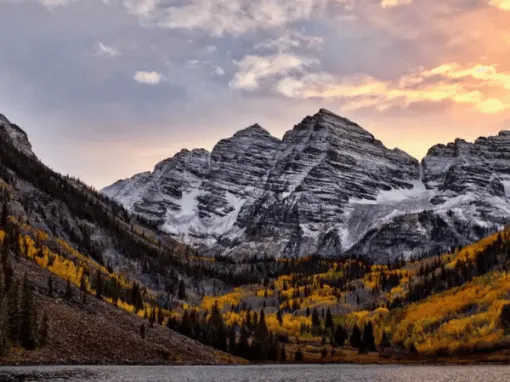
Just outside Aspen, the Maroon Bells are among the most photographed peaks in North America. Arrive before sunrise to catch the twin summits reflected in Maroon Lake, when the first light turns the granite faces a deep rose-gold — a classic example of colorado photography at its most dramatic.
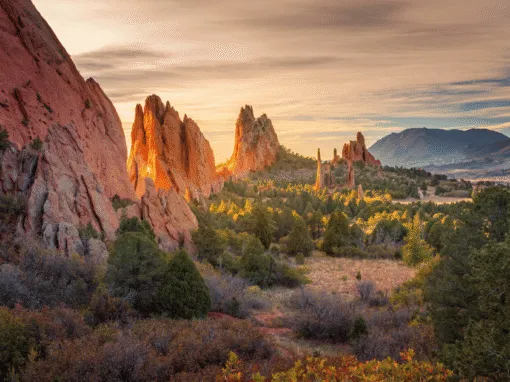
Garden of the Gods
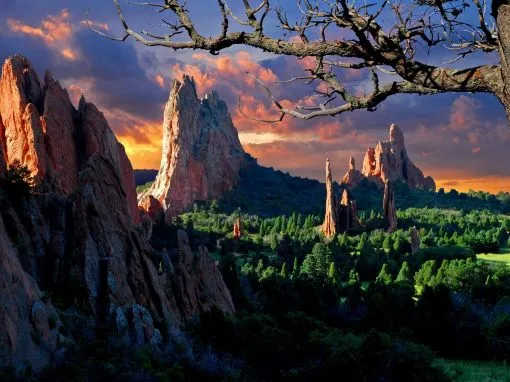
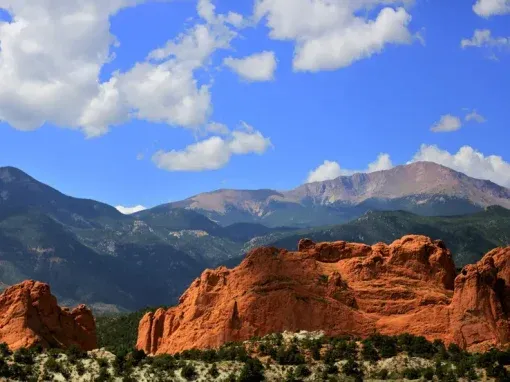
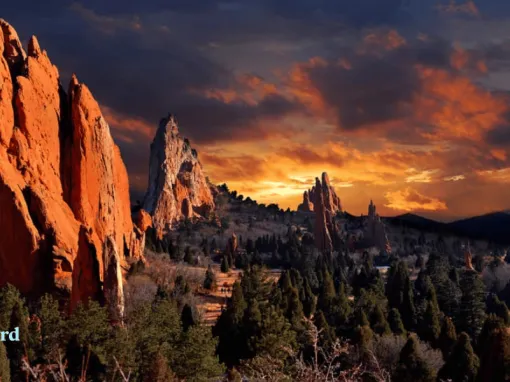
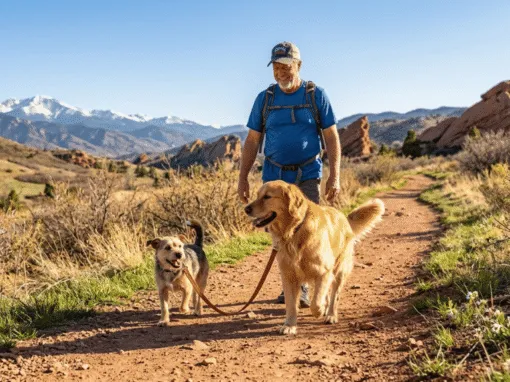
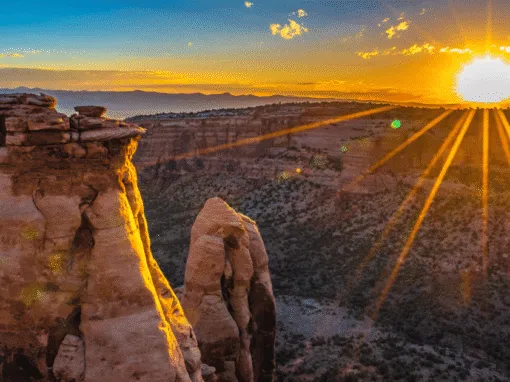
Near Colorado Springs, Garden of the Gods pairs towering red sandstone formations with distant views of Pikes Peak. Late afternoon light brings out the deep rust tones in the rock, and an easy trail network makes the park accessible even when you’re carrying heavy camera gear.
Great Sand Dunes National Park
In the San Luis Valley, the Great Sand Dunes rise against the backdrop of the Sangre de Cristo range. Early morning is ideal here as well, since overnight wind patterns smooth the sand before footprints mark the ridgelines.
San Juan Mountains and Fall Color
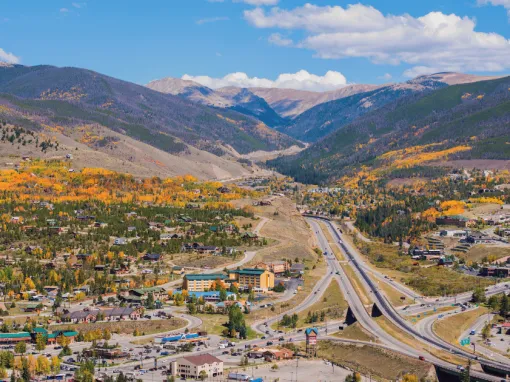
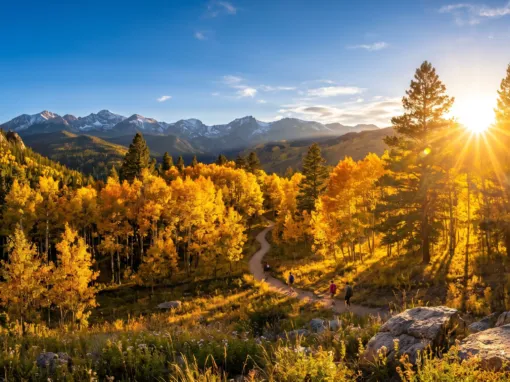
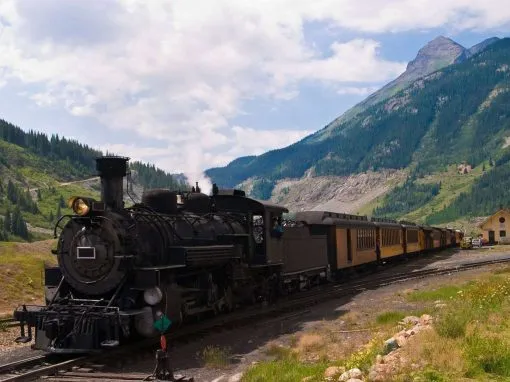
Southwest Colorado’s San Juan Mountains put on one of the state’s best aspen displays each autumn. Scenic routes like the Million Dollar Highway near Ouray and Silverton wind through groves that turn gold in late September, with frequent pull-offs for wide shots of the whole valley.
Timing Your Shoot
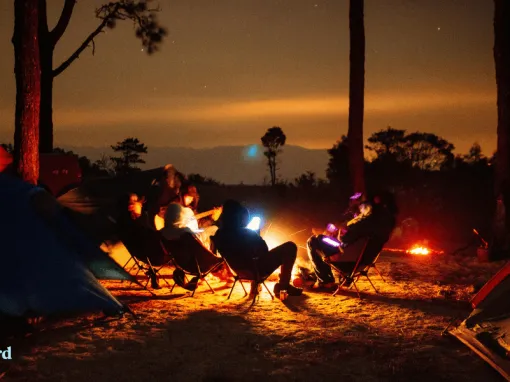
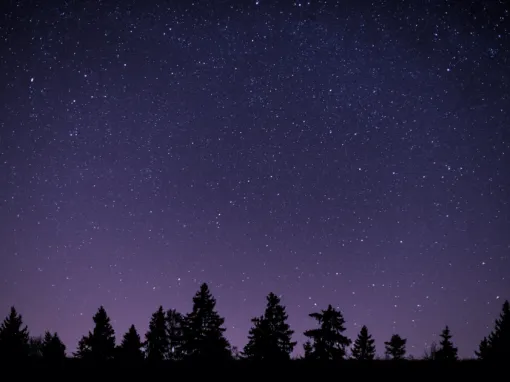
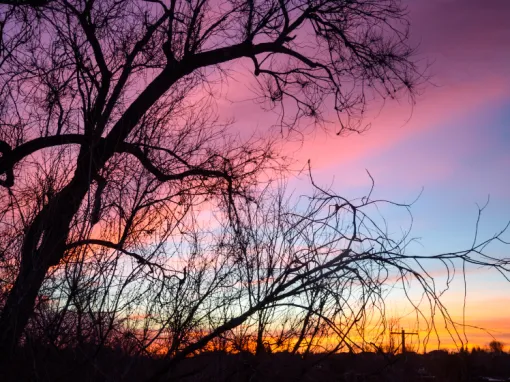
Regardless of location, the hour after sunrise and the hour before sunset — golden hour — consistently produces the richest color and softest shadows for colorado photography. Several of the state’s certified dark-sky communities, including Westcliffe and Crestone, also reward photographers who stay out after dark for Milky Way and star-trail shots.
Packing for High-Altitude Shoots
Many of these locations sit above 8,000 feet, where weather can shift quickly and temperatures drop fast after sunset. Layered clothing, a sturdy tripod for long exposures, and spare batteries — cold drains them faster than you’d expect — make a real difference when you’re chasing the best light.
Respecting the Land
Many of Colorado’s most photogenic spots, including Maroon Bells and the Great Sand Dunes, sit within protected national forests and parks. Staying on marked trails and packing out everything you bring helps preserve these landscapes for the next photographer.
Related reading: Colorado wildlife encounters · scenic Colorado mountain living · breathtaking dark sky photography · Rocky Mountain National Park photography tips