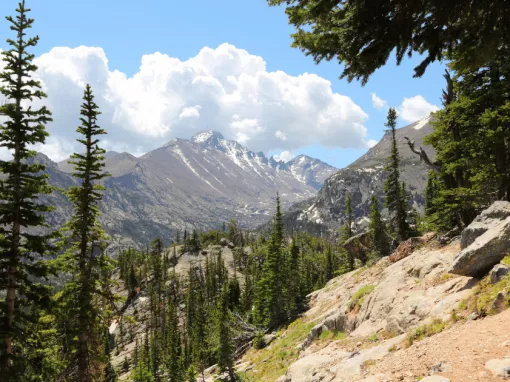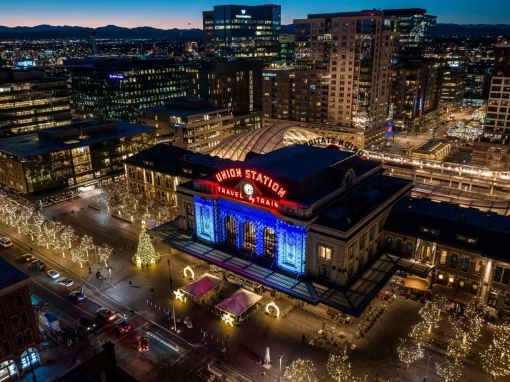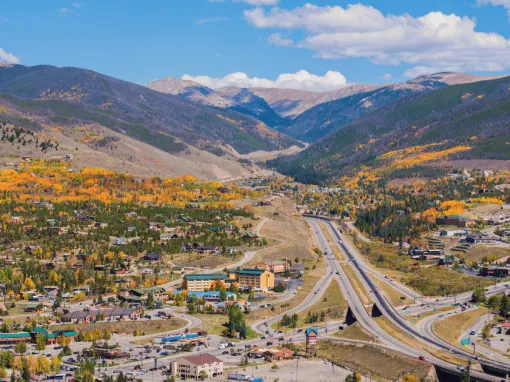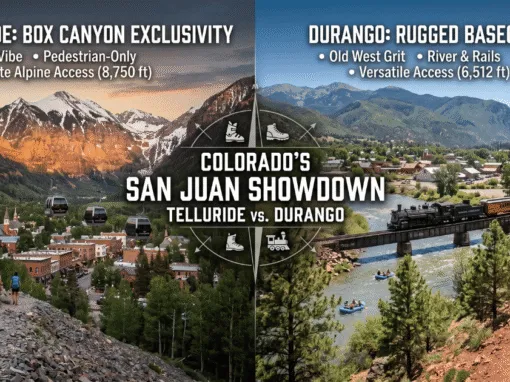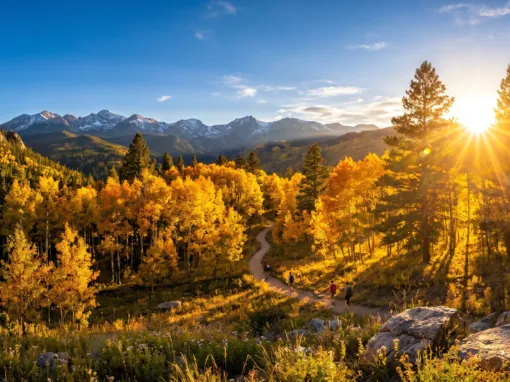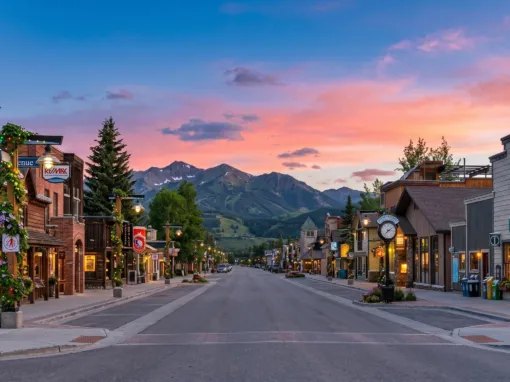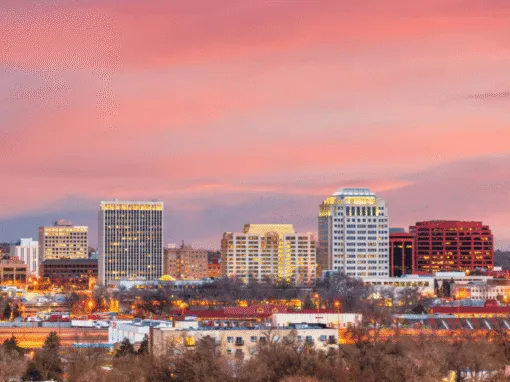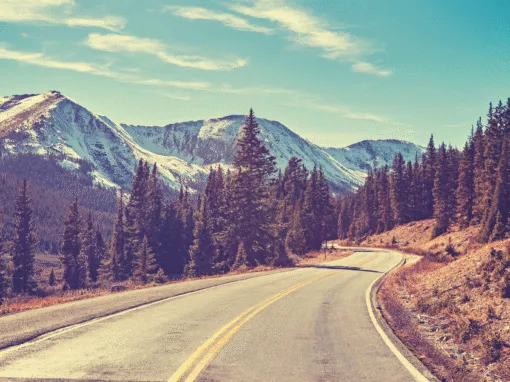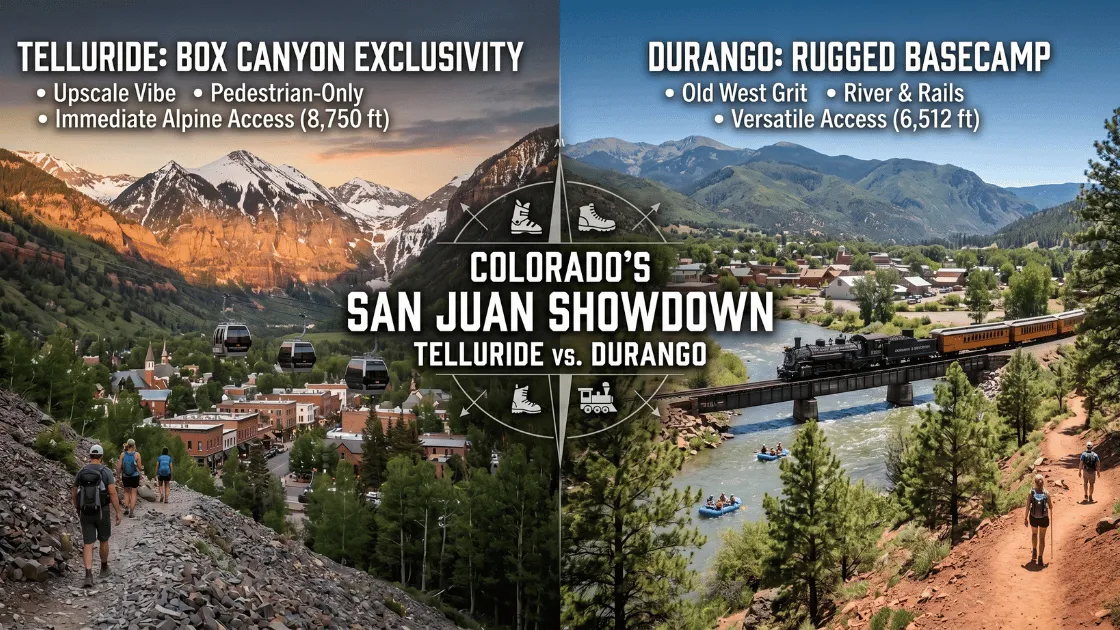
The San Juan Mountains present Colorado’s most dramatic alpine wilderness, offering adventurers two legendary gateways: Telluride’s box canyon exclusivity and Durango’s railroad heritage. These San Juan Mountains towns each deliver distinct experiences—from high-alpine drama to valley adventures. Whether you’re planning your first San Juan Mountains expedition or returning to explore deeper, understanding these beloved hubs ensures your next San Juan Mountains escape perfectly matches your adventure style, practical needs, and wilderness dreams.
Alright, my fellow high-country enthusiast. You’re deep into planning your next Colorado escapade, and the magnetic pull of the San Juan Mountains has narrowed your focus to two titans: Telluride and Durango. A truly enviable dilemma, if you ask me. As someone who’s spent decades guiding folks through these peaks and valleys, I understand the quest for that perfect blend of adventure, atmosphere, and practical logistics. You know the terrain, you speak the language of elevation and trailheads, so let’s skip the tourist brochure fluff and dive straight into the nuanced, local-level insights that will truly inform your choice.
This isn’t about which town is “better” – it’s about which town resonates with the specific rhythm of your next adventure. Both offer unparalleled access to some of the most spectacular wilderness in the Lower 48, but their souls, their practicalities, and their daily rhythms couldn’t be more distinct. Let’s peel back the layers.
San Juan Mountains Town Vibe: Box Canyon Exclusivity vs. Railroad Charm
Telluride: The Alpine Jewel in a Box
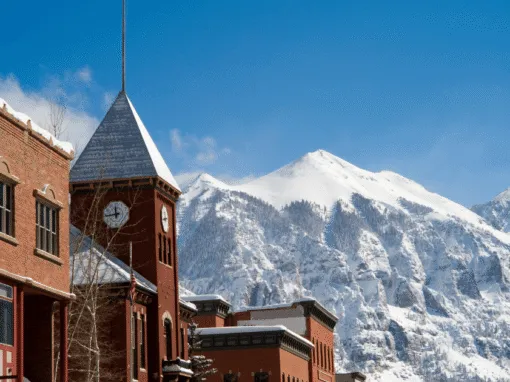
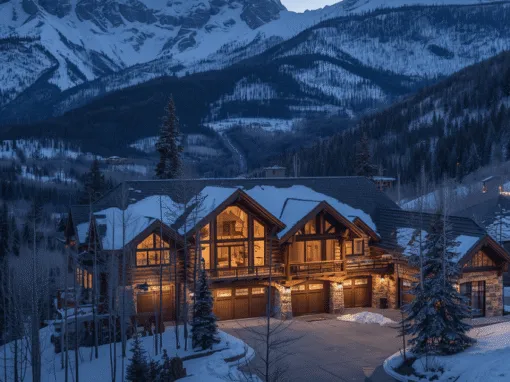
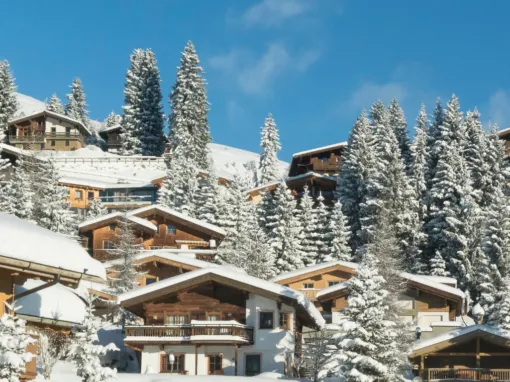
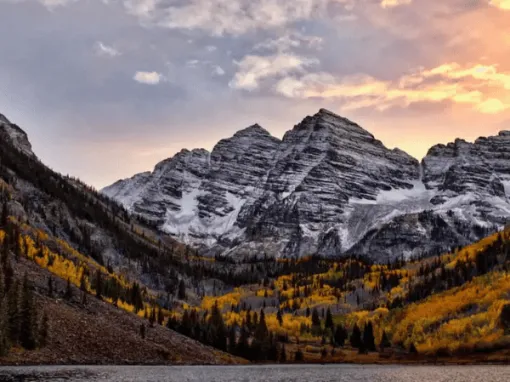
Picture this: a stunning, almost impossibly beautiful box canyon, framed by 13,000 and 14,000-foot peaks that seem to touch the sky. That’s Telluride. Its vibe is undeniably one of upscale, curated exclusivity. There’s a European alpine resort feel here, a certain polished elegance that permeates everything from the architecture to the dining scene. The town itself is compact, walkable, and meticulously maintained, with historic Victorian buildings nestled against a backdrop of raw, dramatic wilderness. It’s a place where you might spot a celebrity grabbing a latte just as easily as you’d see a grizzled climber gearing up for a technical ascent.
The exclusivity isn’t just about price points, though those are certainly a factor. It’s also about its geographic isolation. Tucked away at the end of a long, winding road, Telluride feels like a destination you intentionally seek out, a reward for the journey. This isolation fosters a tight-knit community, albeit one with a significant influx of seasonal residents and visitors who are drawn to its world-class skiing, renowned summer festivals (film, bluegrass, jazz – take your pick), and unparalleled access to serious big-mountain terrain. Expect a sophisticated, somewhat reserved energy, where quality and aesthetics are paramount.
Durango: The Accessible, Historic Hub
Now, shift your mental gears to Durango. Spread out along the Animas River Valley, Durango presents a stark contrast. This is a town built on railroad history, mining, and ranching, and its roots are still deeply visible. The vibe here is rugged, accessible, and genuinely historic. It feels more like a working Colorado town that happens to be an outdoor recreation mecca, rather than a resort purpose-built for leisure.
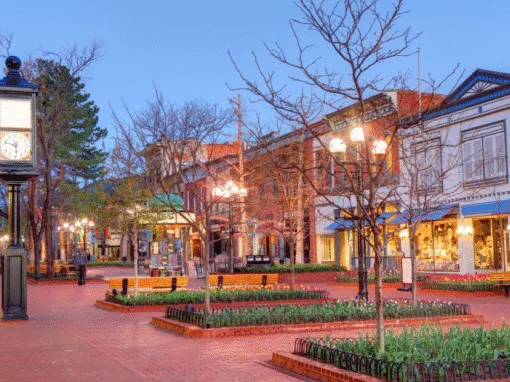
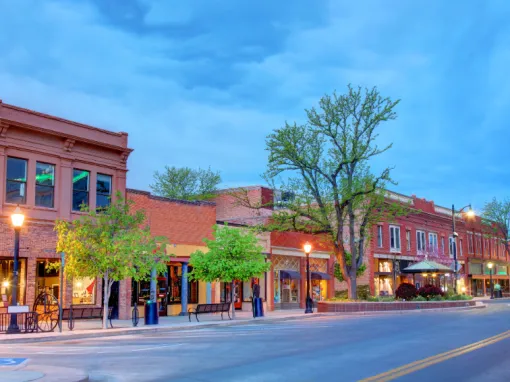
Durango’s historic downtown is vibrant and bustling, with brick buildings housing an eclectic mix of gear shops, brewpubs, art galleries, and diverse eateries. There’s a palpable sense of community that’s less about exclusivity and more about shared passion for the outdoors. You’ll find a mix of college students (thanks to Fort Lewis College), old-school ranchers, young families, and seasoned adventurers rubbing shoulders. It’s a place where flannel is as common as Gore-Tex, and a craft beer after a long ride feels like a local ritual. The energy is more open, more sprawling, and perhaps a bit more “down-to-earth” than Telluride’s alpine chic. It’s a town that invites you to stay a while and explore, rather than simply admire from afar.
San Juan Mountains Hiking Trails: Alpine Drama vs. Valley Adventures
Telluride: Straight to the Alpine
At an elevation of 8,750 feet, Telluride throws you directly into the high country. When we talk about “immediate trail access” here, we mean it literally. Step out of your lodging, and within minutes you can be gaining serious vertical on trails that ascend steeply into alpine cirques, past cascading waterfalls, and towards breathtaking mountain passes. The sheer grandeur of the trails right outside town is astounding.
- Elevation Challenges: Be prepared for significant elevation gain right from the get-go. Even a casual stroll on the Jud Wiebe Trail (a local classic) will have your lungs working. Longer excursions, like the hike to Bridal Veil Falls and beyond to the Black Bear Pass road, offer truly epic views and serious physical tests.
- Style of Hiking: Expect dramatic, often rocky, high-alpine terrain. Many trails involve steep ascents, exposure, and a real sense of wilderness. There’s less gentle meandering and more direct confrontation with the mountains. Technical scrambling is often accessible for those looking for it, and the proximity to the Telluride Via Ferrata speaks to the adventurous spirit of the place.
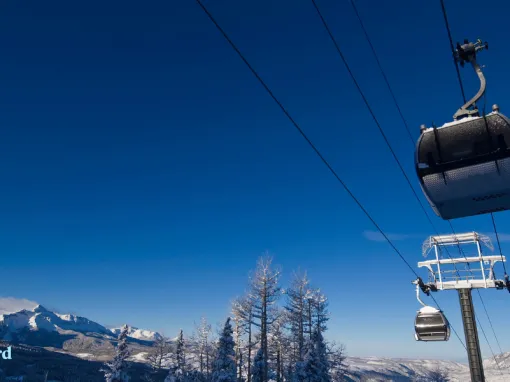
- Gondola Access: The free Telluride-Mountain Village gondola is a game-changer, providing easy access to higher trailheads and stunning panoramic views without needing to drive.
Durango: Gateway to Diverse Terrain
Durango, sitting at a more forgiving 6,512 feet, offers a different kind of immediate access. While you won’t step directly into a 13,000-foot basin from downtown, you have an incredible variety of trail systems within a very short drive or even bike ride. The lower elevation means a longer hiking season and a wider range of ecosystems to explore, from riparian areas along the Animas River to high desert mesas and forested slopes, eventually leading to true alpine environments in the nearby La Plata Mountains or the Weminuche Wilderness.
- Elevation Challenges: You have the option to ease into elevation. The Animas River Trail offers flat, paved walking/biking. Trail systems like Horse Gulch or Twin Buttes provide excellent singletrack with moderate climbs right on the edge of town. For serious elevation, a short drive will get you to trailheads for the La Plata Mountains or segments of the Colorado Trail, where you can quickly gain significant altitude.
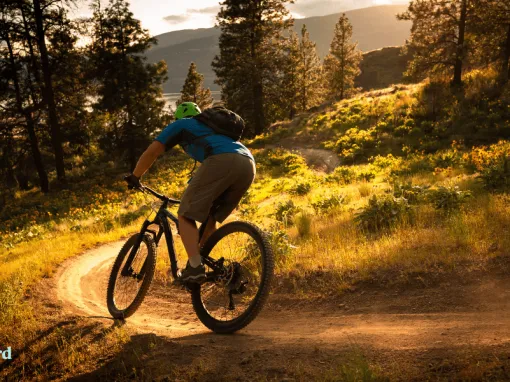
- Style of Hiking: Durango excels in variety. You’ll find everything from gentle river walks to challenging mountain bike trails (Durango is a renowned mountain biking hub) and demanding wilderness treks. The trails tend to be less purely “alpine” right out of town and more forested or high-desert in character, offering a different kind of beauty and challenge.
- Wilderness Access: Durango is a premier gateway to the vast Weminuche Wilderness, the largest wilderness area in Colorado, offering endless backpacking and multi-day hiking opportunities.
San Juan Mountains Basecamp Strategy: Isolated Telluride vs. Central Durango
The Drive from the Front Range
For those of us coming from the Front Range, the drive is a significant consideration:
- Telluride: Generally, a longer and more complex journey. You’re typically looking at 6-7 hours minimum, often longer depending on traffic and, crucially, weather over the passes. The final approach via CO-145 is beautiful but can feel remote. In winter, navigating Lizard Head Pass requires confidence and proper vehicle preparation.
- Durango: A more straightforward drive, typically 6-6.5 hours from Denver, primarily via US-285 South and US-160 West. While still a substantial drive, it generally feels less “remote” and often less affected by severe winter pass closures compared to the high passes surrounding Telluride.
Basecamp Capability for the San Juan Mountains
This is where their geographic positions truly differentiate them.
- Telluride as a Basecamp: While Telluride is smack in the middle of incredible mountains, its location at the end of a box canyon means that exploring other parts of the San Juan Skyway (like Silverton or Ouray) requires driving out of the canyon and then over a pass. This can add significant driving time to day trips. For example, a trip to Ouray involves driving down CO-145, then north on US-550 over Dallas Divide – a beautiful drive, but not as direct as you might think. Telluride is an exceptional basecamp if your primary focus is Telluride itself and its immediate surrounding peaks. If your goal is to experience the breadth of the Skyway with minimal driving, it can be a bit less efficient.
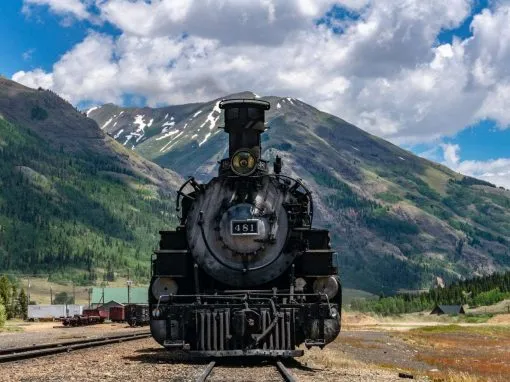
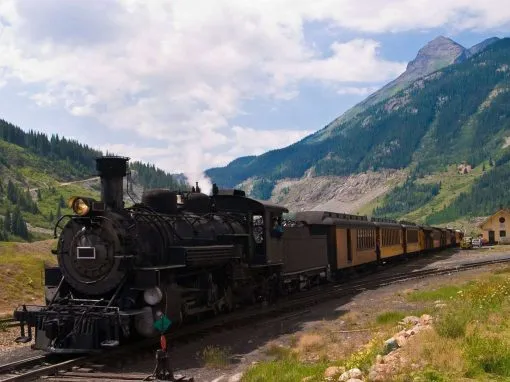
- Durango as a Basecamp: Durango shines as a basecamp for a broader San Juan Mountains exploration. Situated at the southern end of the San Juan Skyway, it provides excellent access to a full loop. You can easily head north on US-550 to Silverton and Ouray for day trips, completing the “Million Dollar Highway” section. The Durango & Silverton Narrow Gauge Railroad offers a unique way to experience the mountains, dropping you in Silverton for further exploration. Its more central and accessible location makes it a highly practical hub for exploring the Weminuche Wilderness, the La Plata Mountains, and the diverse landscapes stretching towards Pagosa Springs.
San Juan Mountains Dining Scene: Curated Telluride vs. Robust Durango
Telluride: Elevated Culinary Experiences
Telluride’s dining scene mirrors its overall vibe: high-quality, often upscale, and definitely curated. You’ll find an impressive array of fine dining establishments, trendy bistros, and chic cafes, many boasting impressive wine lists and innovative menus that feature local ingredients. Given its resort status, there’s a strong emphasis on culinary excellence, and many chefs are drawn to its seasonal beauty. Expect prices to reflect the quality and the location. While there are a few more casual options (pizza, burgers), they often come with a premium price tag.
Practical Infrastructure: This is where the “exclusivity” can translate into practical limitations. Grocery options are present but limited and can be expensive. Gear shops are top-notch but specialized. General services are available but fewer in number compared to a larger town. Year-round infrastructure is robust for a town its size, but it’s designed around the resort economy, meaning some services might be seasonal or have more limited hours outside of peak times.
Durango: Diverse & Dependable Dining
Durango’s food scene is as diverse as its population. You’ll find everything from award-winning fine dining to bustling brewpubs, authentic Mexican cantinas, family-friendly diners, and excellent casual eateries. The focus here is on robust variety and dependable, year-round infrastructure. Durango is a regional hub, so its dining options cater to a wider demographic, offering excellent value across various price points.
Practical Infrastructure: This is where Durango truly shines for practicality. As a larger, more established town and regional center, it boasts multiple full-service grocery stores (including chains), a wide array of gear shops (from local stalwarts to national brands), hardware stores, medical facilities, and all the amenities you’d expect from a town of its size. This makes it an incredibly convenient basecamp for extended trips, allowing you to easily resupply, repair gear, or find specialized services without hassle. The infrastructure here supports a year-round population and a steady flow of visitors, not just peak season surges.
San Juan Mountains Gateway Towns: Complete Side-by-Side Comparison
| Metric | Telluride | Durango |
|---|---|---|
| Elevation (Town) | 8,750 ft (2,667 m) | 6,512 ft (1,985 m) |
| Drive from Front Range | 6-7+ hours; often complex passes | 6-6.5 hours; more straightforward |
| Vibe | Upscale, exclusive, European alpine, dramatic box canyon | Rugged, accessible, historic railroad town, vibrant, diverse |
| Immediate Hiking | Directly into high alpine, steep, technical, serious elevation gain | Varied terrain: river walks, mesas, forests; short drive to high country |
| Best For | Immersive high-alpine experience, luxury, festivals, dramatic scenery | Diverse outdoor activities, family-friendly, historical immersion, regional exploration |
| Basecamp Suitability | Excellent for exploring Telluride’s immediate area; less efficient for broader Skyway loops | Exceptional for San Juan Skyway, Weminuche Wilderness, and regional exploration |
| Dining & Infrastructure | Curated, upscale dining; limited, expensive groceries/services | Diverse, robust dining; comprehensive, accessible services & groceries |
Your San Juan Mountains Adventure Choice: Which Gateway Town Calls to You?
So, my friend, the choice hinges on your priorities. Both towns offer world-class access to the grandeur of the San Juan Mountains, but they do so through entirely different lenses.
- Choose Telluride if:
- You crave an immersive, high-alpine experience where dramatic peaks and waterfalls are your immediate backyard.
- You appreciate a more upscale, curated atmosphere and don’t mind the premium that comes with it.
- Your primary goal is to hike, climb, or ski directly out your door into truly epic, challenging terrain, or enjoy a specific festival.
- You’re looking for a destination that feels like an escape to an exclusive mountain sanctuary.
- Choose Durango if:
- You desire a more varied outdoor adventure, blending high-country treks with mountain biking, river activities, and lower-elevation explorations.
- You prefer a rugged, accessible, and historic town feel with a diverse, down-to-earth community.
- You want a practical and comprehensive basecamp for exploring the broader San Juan Skyway, the Weminuche Wilderness, and the entire Four Corners region.
- You appreciate a robust infrastructure, diverse dining options at various price points, and a more relaxed, unpretentious vibe.
Ultimately, Telluride offers a concentrated dose of alpine perfection, a truly spectacular experience contained within its iconic box canyon. Durango provides a broader, more accessible, and historically rich gateway to the vast and varied wonders of Southwest Colorado. Neither will disappoint, but one will undoubtedly align more perfectly with the unique vision you have for your next indelible Colorado adventure.
Happy trails, and may your chosen path be filled with unforgettable moments!
Related reading: Colorado mountain towns summer · scenic Colorado backroads · beginner hiking trails · National Park Service San Juan overview