Colorados Spring Ski Legacy: Where May Snow is Just the Beginning
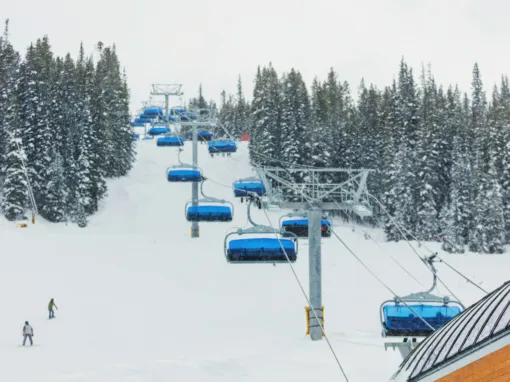
As the rest of the country begins to trade parkas for patio furniture, a distinct segment of the ski world in Colorado continues to thrive, offering powder turns and slush bumps long after most lifts have stopped spinning. For many, the idea of skiing into May, or even June, might sound like a distant dream, a fleeting luxury reserved for exceptional snow years or the most extreme northern latitudes. Yet, in the high country of the Centennial State, extended spring skiing is not just a possibility; it’s a celebrated tradition, a testament to elevation, snow management, and a dedicated culture of mountain enthusiasts.
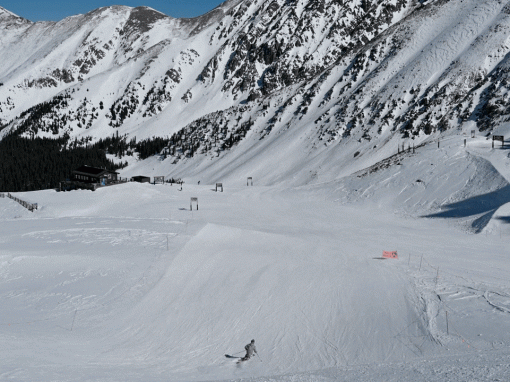
Colorado’s unique geography plays an undeniable role in this late-season phenomenon. With an average elevation exceeding 6,800 feet, and numerous ski resorts boasting base areas above 9,000 feet and summit elevations well over 12,000 feet, the state naturally retains snow longer. The cold, dry air prevalent at these altitudes helps preserve snowpack, minimizing melt and allowing for sustained operations deep into the spring. Resorts like Arapahoe Basin, affectionately known as A-Basin, consistently push the boundaries, often remaining open into June and occasionally even July. Its famous ‘East Wall’ and ‘Pallavicini’ terrain, along with its high elevation and north-facing slopes, are perfect examples of features that enable such prolonged seasons.
Key Insights
But it’s more than just elevation; it’s also a strategic commitment. Colorado ski areas have invested heavily in sophisticated snowmaking technologies and grooming fleets that allow them to maintain excellent conditions even as temperatures rise. This blend of natural advantage and diligent human effort creates an environment where spring skiing isn’t merely an afterthought but a distinct and highly anticipated part of the ski calendar. The experience itself transforms from the biting cold and deep powder of mid-winter to the sun-drenched, corn-snow bliss of spring. Days are longer, the sun is warmer, and the atmosphere on the slopes often shifts to a more relaxed, festive vibe.
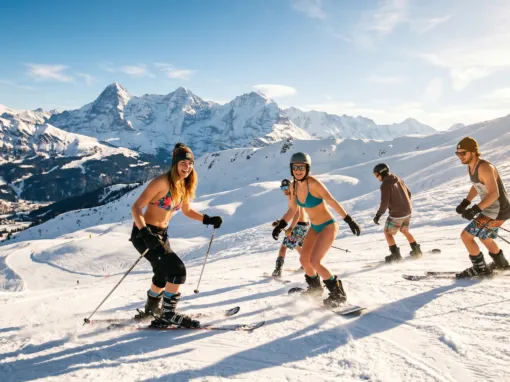
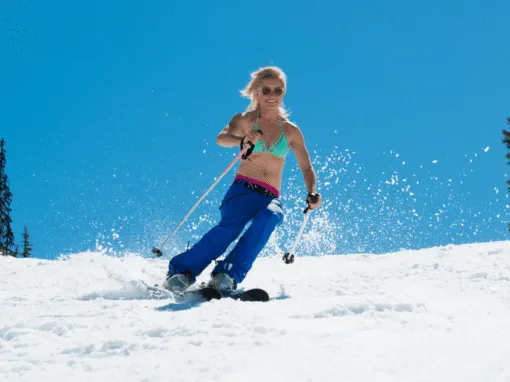
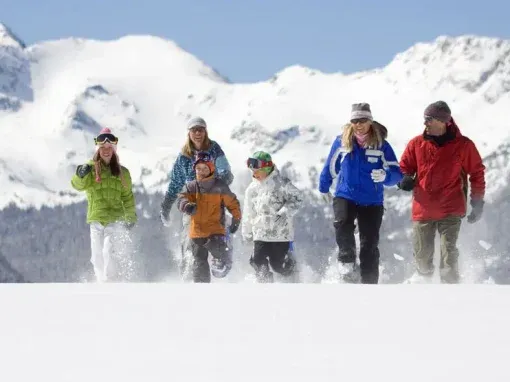
Spring skiing in Colorado is synonymous with ‘goggle tans,’ picnic lunches enjoyed at the base of a pristine run, and the satisfying ‘shush’ of skis gliding over perfectly softened corn snow. It’s a time when serious skiers and snowboarders still chase thrills, but also when families and friends gather to soak up the last vestiges of winter recreation. Many resorts enhance the experience with live music on outdoor patios, spirited costume days, and even pond skimming events that draw large, cheering crowds. It’s a social occasion as much as a sporting one, a chance to bid farewell to the ski season in style, surrounded by stunning mountain vistas under brilliant blue skies.
The economic impact of these extended seasons is profound for Colorado’s mountain communities. While the peak winter months are undeniably crucial, keeping lifts spinning into May and beyond provides a vital revenue stream for local businesses, from restaurants and retail shops to lodging providers and service industries. It helps stabilize employment for seasonal workers and maintains a steady flow of tourism dollars that bolster the local economy through what would otherwise be a quieter shoulder season. This commitment ensures that the vibrancy of these towns doesn’t abruptly end with the last significant snowfall, but rather transitions gracefully into the summer tourist season.
For many Colorado residents, spring skiing is an integral part of their lifestyle. It’s not uncommon for locals to enjoy a morning of spring turns before heading out for an afternoon hike or bike ride, embodying the unique blend of outdoor pursuits the state offers. This ‘two-season-in-one-day’ phenomenon is a cherished aspect of Colorado living, allowing enthusiasts to maximize their time in the breathtaking Rocky Mountains. The dedicated spring skier learns to appreciate the nuances of the snowpack, understanding how aspect, sun exposure, and temperature influence conditions throughout the day. They master the art of layering and the importance of sunscreen, embracing the full spectrum of conditions that late-season skiing presents.
Looking ahead, Colorado’s ski industry continues to adapt to changing climate patterns, exploring innovative snowmaking techniques, efficient water management, and diversified resort offerings to ensure the longevity of these cherished extended seasons. While the challenges are real, the commitment to providing a world-class ski experience, even as the calendar turns towards summer, remains unwavering. This proactive approach ensures that the state’s reputation as a premier destination for spring skiing will endure, allowing generations of enthusiasts to continue chasing those coveted late-season turns.
Ultimately, Colorado’s ability to consistently deliver outstanding skiing into the late spring stands as a testament to its unparalleled natural endowments, combined with the strategic vision and hard work of its ski resorts and communities. It’s a place where the ski season doesn’t just fade away with winter’s end, but rather transforms into a vibrant, sun-soaked celebration of mountain life, inviting everyone to experience the unique joy of gliding on snow well into the warmer months.
Source: Snowbrains