Colorado Ski Dreams: The Unbuilt Expansions Shaping Mountain Towns
Colorado’s snow-capped peaks draw millions of visitors each winter, fueling a multi-billion-dollar ski industry that is central to the state’s identity and economy. For decades, ski resorts have periodically sought to expand their footprint, whether through new lifts, additional runs, or entire new terrain pods. These plans often promise enhanced experiences for skiers and snowboarders, greater capacity to ease crowded slopes, and continued economic vitality for mountain communities. Yet, a closer look reveals a landscape dotted with proposals that, despite initial enthusiasm or even preliminary approvals, have never quite made it off the drawing board. These unbuilt expansions tell a fascinating story of ambition, environmental stewardship, community values, and the complex realities of developing in Colorado’s precious high-alpine environments.
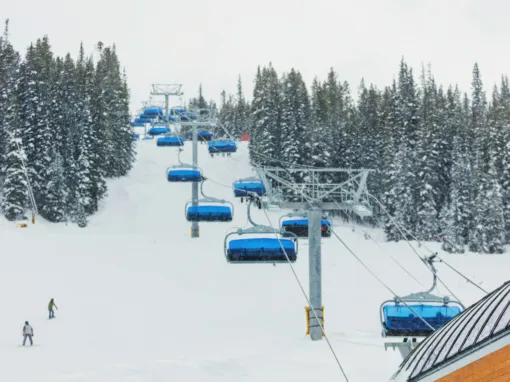
The imperative for expansion often stems from a simple premise: growth. As skier visits climb, resorts face pressure to modernize infrastructure, offer diverse terrain, and reduce wait times, especially during peak season. New lifts can unlock previously inaccessible areas, providing expert challenges or beginner-friendly zones. Enhanced base facilities and expanded lodging can improve the overall guest experience. Moreover, in a competitive market, staying relevant often means evolving, and expansion is a key strategy to attract new demographics and retain loyal patrons who seek fresh adventures. Resorts invest heavily in master planning, envisioning futures where their operations seamlessly integrate with their natural surroundings while accommodating more guests.
Key Insights
However, the path from concept to concrete is anything but straightforward, particularly for ski areas operating, in whole or in part, on federal public lands managed by the U.S. Forest Service. Any significant expansion on these lands triggers a comprehensive environmental review process under the National Environmental Policy Act (NEPA). This can involve extensive studies on wildlife habitats, water quality, air quality, wetlands, and even cultural resources. Public comment periods invite scrutiny from environmental advocacy groups, local residents, and other stakeholders, often leading to protracted debates and, at times, significant modifications or outright rejection of proposals. The bureaucratic layers extend beyond federal oversight to state and local permitting, covering everything from water rights and zoning variances to traffic impact assessments and infrastructure demands on small mountain towns.
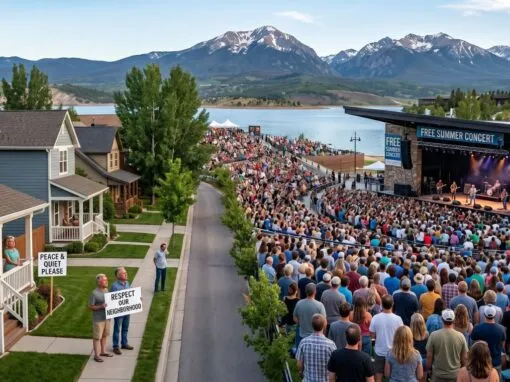
One of the most formidable obstacles to resort expansion comes from environmental and community resistance. Conservation groups frequently raise concerns about habitat fragmentation for wildlife like lynx or elk, erosion, increased water usage for snowmaking, and the impact of more human activity on sensitive ecosystems. Local communities, while often benefiting economically from tourism, frequently grapple with the downsides of unchecked growth: soaring housing costs, traffic congestion, strain on public services, and the perceived loss of their unique mountain town character. These concerns can mobilize powerful grassroots opposition, leading to legal challenges and political pressure that can halt or indefinitely delay even well-intentioned projects. The conversation invariably shifts from economic benefits to the preservation of a way of life and the intrinsic value of wilderness.
Beyond regulatory and public hurdles, the economics and logistics of large-scale ski resort development are themselves daunting. These projects require immense capital investment, often stretching into hundreds of millions of dollars. Securing financing can be challenging, especially in fluctuating economic climates. Furthermore, the specialized construction in high-alpine environments, often with short seasonal windows, adds significant costs and complexity. Land acquisition, if the expansion involves private parcels, can be prohibitively expensive or complicated by existing ownership structures. Changes in resort ownership, market conditions, or even shifting corporate priorities can also cause approved or proposed expansions to be indefinitely shelved, regardless of their initial viability or community support.
A prime example of a long-running, often stalled, expansion saga in Colorado is the proposed ‘Village at Wolf Creek.’ While not a direct ski area expansion, this controversial development, situated adjacent to the relatively untouched Wolf Creek Ski Area, has been a battleground for decades. Developers envision a sprawling village that would dramatically increase lodging and amenities in the remote area, but environmental groups and local residents have fiercely opposed it, citing concerns over water resources, wildlife impacts, and the precedent of building a large-scale development in such a pristine, high-elevation environment. Despite various approvals and legal maneuvers over the years, the project has faced continuous challenges, underscoring the deep divisions that can arise when development ambitions clash with environmental preservation and local land-use ethics. Understanding the regulatory framework for such projects often involves navigating the intricacies of federal land management agencies. You can learn more about how public lands in Colorado are managed by visiting the U.S. Forest Service Rocky Mountain Region Land Management page.
Other resorts, even those with less contentious plans, navigate similar constraints. Eldora Mountain Resort, for instance, operates almost entirely within the Roosevelt National Forest, limiting its physical expansion potential and subjecting any proposals to stringent federal environmental review. While master plans for many resorts like Vail or Breckenridge often include a menu of potential future enhancements, not all components are pursued simultaneously or even at all. Priorities shift, economic conditions dictate pace, and community feedback continually refines what is deemed feasible and desirable. The Colorado Energy Office also plays a vital role in encouraging sustainable practices and energy efficiency, which is becoming increasingly relevant for resorts considering long-term viability and climate change impacts. Discover more about Colorado’s sustainability initiatives at the Colorado Energy Office website.
Looking ahead, the discussion around ski resort expansion is increasingly intertwined with the realities of climate change. With concerns about snow reliability and shorter seasons, some resorts are focusing more on enhancing existing infrastructure, improving snowmaking capabilities, and diversifying year-round attractions, rather than simply chasing more acreage. The emphasis is shifting towards sustainable growth, ensuring resilience in the face of environmental challenges. This evolving perspective acknowledges that the appeal of Colorado’s ski resorts lies not just in their size, but in the quality of the experience, the beauty of the natural surroundings, and the unique character of the mountain communities they support.
Ultimately, the projects that remain unbuilt in Colorado’s ski country are not necessarily failures, but rather reflections of a robust and often contentious process. They highlight the state’s commitment to balancing economic opportunity with environmental stewardship, ensuring that future generations can also enjoy the unparalleled beauty and recreational opportunities that define the Colorado experience. The ongoing dialogue between developers, environmentalists, communities, and government agencies shapes not just the physical landscape of our mountains, but also the very ethos of how we interact with and value our incredible natural resources. For more on experiencing all that Colorado has to offer, including its renowned ski destinations, visit the Colorado Tourism Office.
Source: Snowbrains