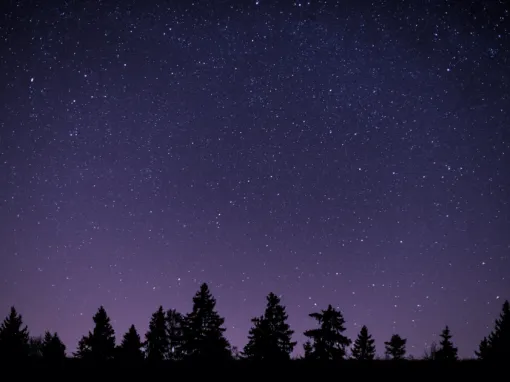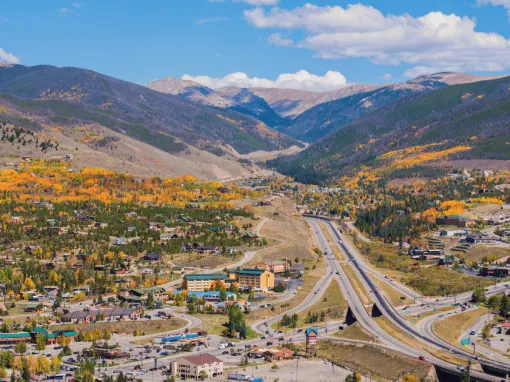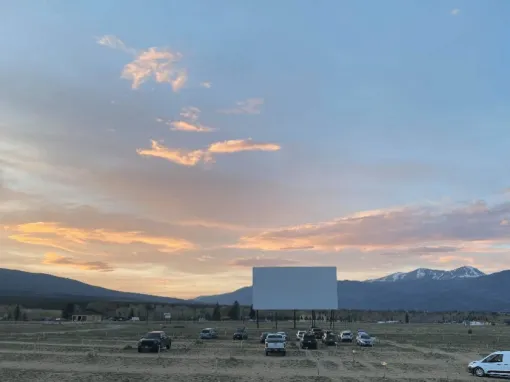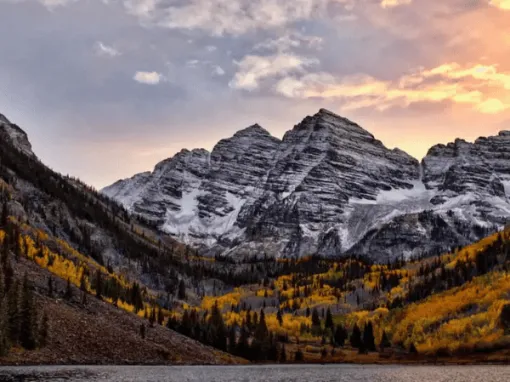
Colorado stargazing transforms ordinary evenings into breathtaking cosmic adventures beneath America’s darkest, most pristine skies. Our state’s newly unveiled Colorado stargazing trail showcases seven spectacular locations where stargazing reaches its full potential, from towering mountain peaks to remote wilderness sanctuaries. Whether you’re tracking meteor showers or marveling at the Milky Way, these Colorado stargazing destinations offer unparalleled celestial views.
Colorado stargazing locations are among the most spectacular in the nation, offering unparalleled views of our universe. From towering peaks to remote wilderness areas, our state provides the perfect backdrop for celestial adventures. Thanks to high altitudes, low light pollution, and vast dark sky areas, Colorado stargazing locations deliver breathtaking cosmic experiences. Whether you’re a seasoned astronomer or planning your first family stargazing trip, our new stargazing trail makes exploring these magical spots easier than ever.
There’s an undeniable magic to standing under a canopy of countless stars, a feeling that truly connects you to the vastness of the universe. It’s peaceful, awe-inspiring, and a gentle reminder of how lucky we are to call this incredible state home. And guess what? It’s just gotten even easier and more exciting to explore these celestial wonders, thanks to a fantastic new initiative highlighting our pristine dark skies, especially across our beloved Western Slope!
Why Colorado’s Night Skies Are Simply Out of This World
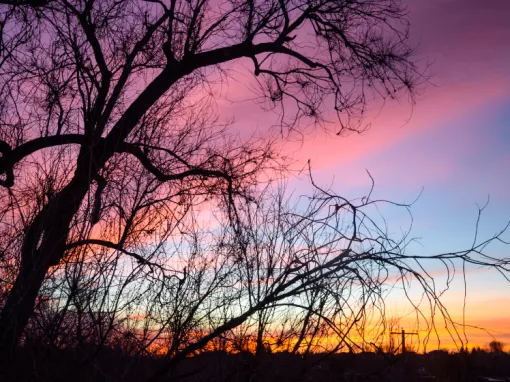
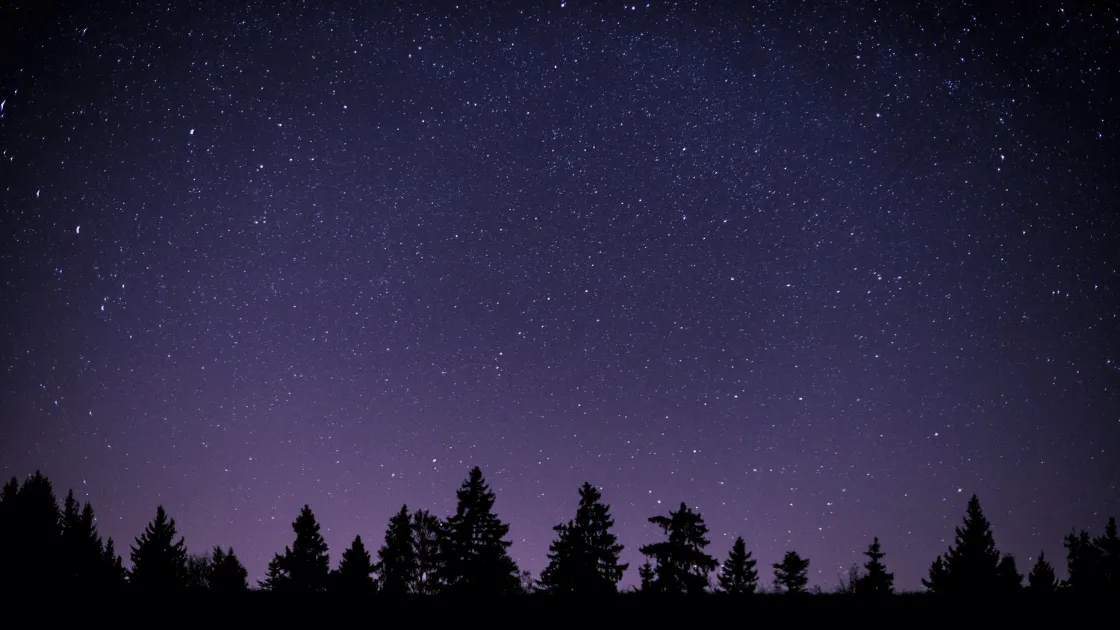
What makes stargazing in Colorado so uniquely special? Well, it’s a perfect storm of geographical advantages and dedicated community efforts! Our high altitudes mean less atmosphere to look through, offering clearer, crisper views of distant galaxies, nebulae, and constellations. Couple that with vast expanses of wilderness and remote areas, and you get naturally low light pollution – the kind that makes the Milky Way look like a shimmering river across the velvet blackness.
For centuries, the night sky has captivated humanity, sparking curiosity and wonder. In Colorado, we have a front-row seat to this cosmic spectacle, and it’s an experience everyone deserves to have. Imagine pointing out Jupiter’s moons, spotting a shooting star, or tracing the familiar patterns of the Big Dipper and Orion, all from a spot where the stars feel so close you could almost reach out and touch them.
Colorado Stargazing Trail: Your Complete Dark Sky Guide
So, what’s this exciting new development? Colorado is rolling out a fantastic new resource – a ‘stargazing trail’ – designed to guide you to some of the state’s most phenomenal dark-sky locations. Think of it as your personal treasure map to cosmic gold! This isn’t just about pointing you to a spot; it’s about celebrating and preserving the incredible natural resource that is our unpolluted night sky. It’s encouraging communities to embrace ‘dark sky friendly’ practices, which means more twinkling stars for everyone, both now and for generations to come.
This trail is all about making the magic of the night sky accessible to everyone, from seasoned astronomers with their fancy telescopes to families looking for a unique outdoor adventure. It’s a testament to Colorado’s commitment to both outdoor recreation and environmental stewardship, showing how we can enjoy our natural beauty while also protecting it.
Exploring the Western Slope: A Stargazer’s Paradise
The Western Slope, with its rugged landscapes, charming towns, and wide-open spaces, is a particular gem for stargazers. Its remote beauty naturally minimizes light pollution, creating perfect conditions for celestial observation. One of the absolute crown jewels for night sky enthusiasts on the Western Slope is the Black Canyon of the Gunnison National Park. This breathtaking park isn’t just incredible during the day; it’s a designated International Dark Sky Park, meaning its commitment to preserving the night sky is world-class. Imagine gazing into the canyon depths by day, then watching the Milky Way arc overhead by night – truly an unforgettable dual experience!
Beyond the national parks, many Western Slope communities are also stepping up to protect their starry views. Towns like Ridgway, nestled in the stunning San Juan Mountains, are actively pursuing or have achieved Dark Sky Community status, demonstrating their dedication to responsible outdoor lighting and educating visitors about the importance of dark skies. These communities offer cozy places to stay, delicious local food, and a chance to experience the genuine warmth of Western Slope hospitality while chasing those elusive shooting stars.
Planning Your Colorado Stargazing Adventure: Essential Tips
Ready to pack your bags and embark on your own celestial adventure? Here are a few friendly tips to make your stargazing experience truly stellar:
- Check the Forecast: Clear skies are your best friend! Also, try to plan your trip around a new moon for the darkest possible skies, as a full moon can wash out fainter stars.
- Layer Up: Even in summer, nights in Colorado’s high country can get chilly. Bring extra layers, a cozy blanket, and maybe a thermos of hot cocoa!
- Red Light Only: White lights can ruin your night vision. Use a red-light headlamp or cover your flashlight with red cellophane.
- Bring Comfort: A camp chair or a blanket to lie on will make hours of stargazing much more enjoyable.
- Download an App: Stargazing apps like SkyView Lite or Star Walk 2 can help you identify constellations, planets, and even satellites in real-time.
- Be Patient: Give your eyes at least 20-30 minutes to fully adjust to the darkness. That’s when the magic truly begins to reveal itself!
Beyond the Night Sky: Daytime Delights on the Western Slope
While the stars are the main event, don’t forget that the Western Slope offers incredible adventures during the day too! You can explore charming small towns, hike breathtaking trails, or drive one of Colorado’s many Scenic Byways that wind through stunning landscapes. Imagine a day spent exploring vineyards near Palisade, fly-fishing in the Gunnison River, or discovering ancient history at Dominguez Canyon Wilderness Area, followed by an evening under a blanket of a million stars. It’s the quintessential Colorado experience!
Protecting Colorado Stargazing Sites for Future Generations
This new stargazing trail isn’t just about fun; it’s also about awareness. Light pollution is a growing issue globally, impacting wildlife, human health, and our connection to the natural world. By visiting these designated dark sky areas and supporting communities working to reduce light pollution, you’re becoming a part of the solution. Even in your own backyard, using outdoor lighting responsibly (pointing lights down, using warmer tones, and only lighting what you need) can make a difference.
So, what are you waiting for? Grab your jacket, your sense of wonder, and head out to explore Colorado’s spectacular night skies. Whether it’s a quick trip to a nearby dark spot or a full weekend adventure on the Western Slope, you’re in for an unforgettable experience that will leave you feeling truly lucky to live in Colorado. See you under the stars!
Colorado stargazing locations offer unforgettable cosmic adventures that connect you to the universe while showcasing our state’s natural beauty. From the Western Slope’s pristine dark skies to designated International Dark Sky Parks, these magical spots await your discovery. Grab your telescope, pack a blanket, and explore these incredible Colorado stargazing locations tonight. The stars are calling!
Related reading: weekend getaways from Denver · Colorado summer mountain towns · Colorado road trip routes